

New Delhi, India — A fresh political war of words has erupted between India’s Bharatiya Janata Party (BJP) and the opposition Congress Party after Congress leader Rahul Gandhi departed for an overseas visit.
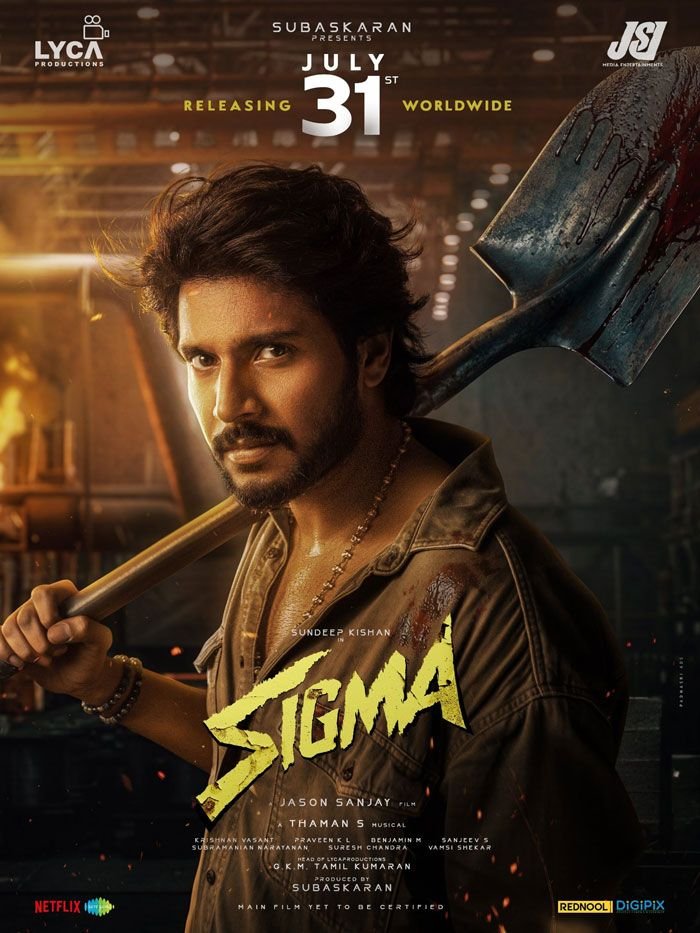
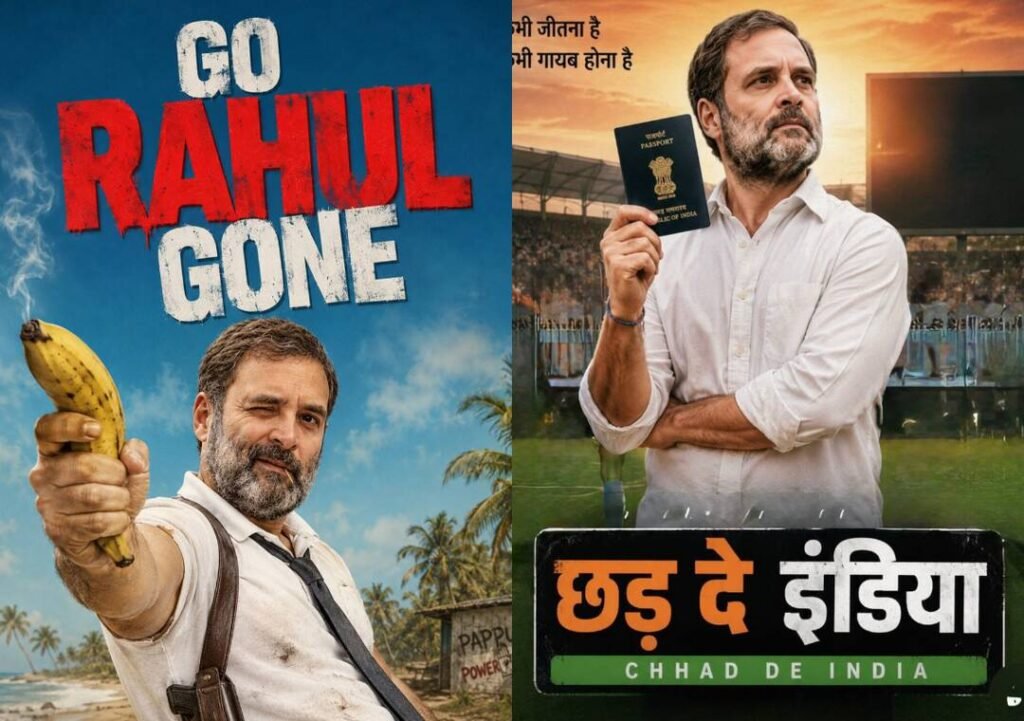
The BJP took to social media platform X to mock Rahul Gandhi by sharing a series of edited Bollywood movie posters featuring his image. The altered posters carried humorous titles such as “Laapata Rahul” (Missing Rahul), “Chhad De India,” “Go Rahul Gone,” and “Tourist Zinda Hain,” implying that the Congress leader frequently travels abroad instead of remaining active in domestic politics.
The posts quickly gained attention online, with supporters and critics engaging in a heated debate over the BJP’s political messaging. The campaign appeared aimed at portraying Rahul Gandhi as a leader who spends significant time outside India.
The Congress Party strongly pushed back against the criticism, defending Rahul Gandhi’s international visits. Party leaders described him as a “global leader” who is regularly invited by foreign governments, universities, think tanks, and international organizations to speak on issues including democracy, economic development, social justice, and global affairs.
According to Congress, Rahul Gandhi’s overseas engagements help strengthen India’s international dialogue and allow him to exchange views with global policymakers, academics, and members of the Indian diaspora. The party argued that such visits should be viewed as opportunities for diplomatic and intellectual engagement rather than political targets.
The exchange reflects the continuing political rivalry between the BJP and Congress ahead of upcoming political campaigns. Social media has increasingly become a battleground where both parties use memes, satire, and digital campaigns to shape public opinion and influence political narratives.
While the BJP continues to criticize Rahul Gandhi over his foreign trips, Congress maintains that international invitations are evidence of his growing global recognition and leadership profile. The latest online clash underscores how political messaging, social media strategy, and public perception remain central to India’s highly competitive political landscape.