


Apple is reportedly in talks with Indian banks over transaction fees as it prepares to bring Apple Pay to the Indian market.
NEW DELHI: Apple’s digital payments service Apple Pay could enter the Indian market by September-end or October 2026, potentially giving the technology giant a new opportunity to expand its presence in India’s premium credit card segment.
According to three people familiar with the matter, Apple has been in discussions with several Indian banks that issue credit cards for the past few months. The talks reportedly focus on how much of the interchange fee Apple would receive from transactions made through Apple Pay.
Visa and Mastercard Cards Expected to Be Supported Initially
At launch, Apple Pay is expected to support credit cards operating on global payment networks such as Visa and Mastercard.
Apple is likely to use a framework similar to the one it follows in other international markets. However, UPI-based transactions are not expected to be available initially.
To enable UPI payments through Apple Pay, Apple would need approval from the National Payments Corporation of India (NPCI) and would also need to partner with a sponsor bank to process such transactions.
Apple in Talks With Indian Banks
Apple is reportedly negotiating with multiple credit card-issuing banks over its share of transaction fees.
The fee would not be directly charged to customers or merchants. Instead, it would come from the interchange component earned by banks when card transactions are processed.
One source said Apple is preparing to launch Apple Pay in India by late September or October.
Apple did not respond to an email seeking comment on the matter before publication.
Apple Seeking 15-20 Basis Points
Under the reported proposal, Apple is seeking approximately 15-20 basis points of the interchange fee on credit card transactions conducted through Apple Pay.
However, some major credit card issuers are reportedly willing to offer Apple around 10 basis points.
Interchange is the fee paid by the merchant’s bank to the card-issuing bank for processing a card transaction. It forms part of the Merchant Discount Rate (MDR) paid by merchants for accepting digital payments.
The negotiations therefore center on how much of this existing payment ecosystem revenue Apple should receive for enabling transactions through its devices.
How Apple Pay Would Work in India
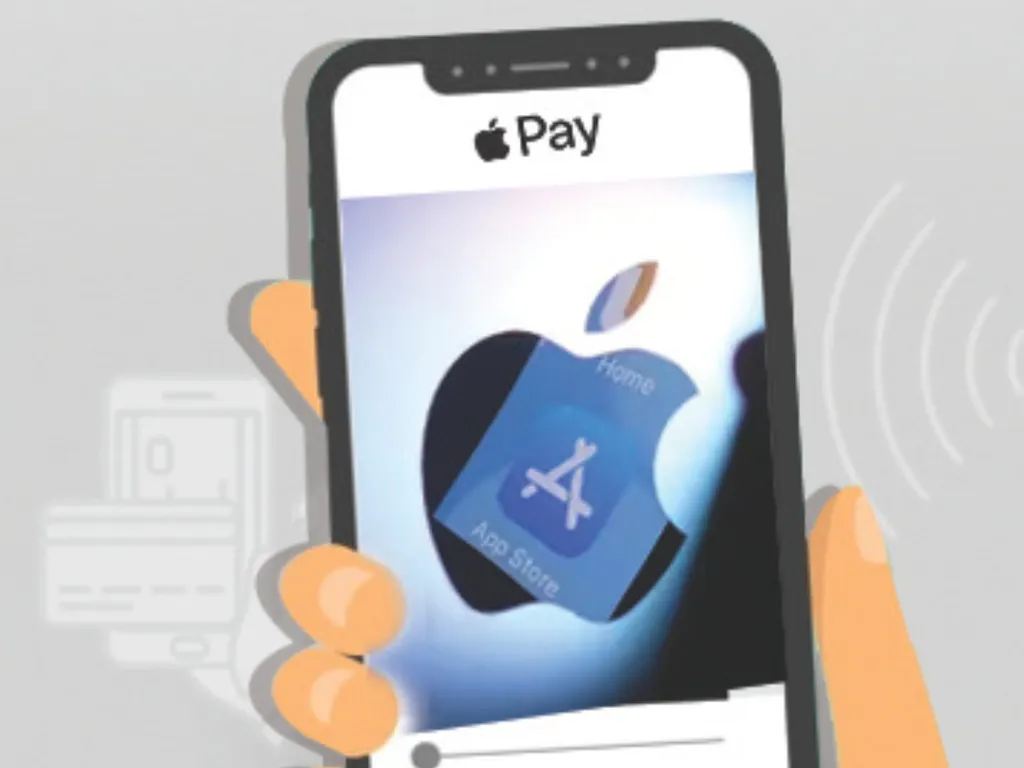
Apple Pay allows users to store their eligible cards securely in the Apple Wallet.
At participating stores, users can make contactless payments by bringing an iPhone or another compatible Apple device close to a point-of-sale (POS) terminal using Near Field Communication (NFC) technology.
This allows customers to pay without physically presenting their credit card.
A person familiar with the discussions said Apple believes it should receive a transaction fee because customers would be storing their card information on Apple devices and using iPhones or tablets to make payments.
Apple Pay Could Boost Credit Card Transactions
The potential launch comes as India’s digital payments ecosystem continues to expand, with both credit card transactions and UPI payments growing rapidly.
Amrish Rau, Chief Executive Officer of Pine Labs, said during the company’s first-quarter results announcement that Apple Pay is expected to enter the Indian market before the end of the year.
He said the service could further accelerate credit card transactions in India, noting that the company is already seeing 10-15% growth in credit card payment transactions in the market.
A Potential New Phase for Apple’s India Strategy
The entry of Apple Pay could strengthen Apple’s position in India’s rapidly expanding digital payments and premium credit card ecosystem.
However, the company’s initial inability to offer UPI payments could limit its reach compared with India’s established digital payment platforms.
If Apple successfully reaches agreements with major banks and launches the service as expected, Apple Pay could become another significant channel for contactless credit card payments in India, while potentially creating a new revenue stream for Apple through transaction-related fees.