


Air India and Air India Express will conduct mandatory psychoactive substance tests for all pilots following a positive test involving the pilot-in-command of a Phuket-Delhi flight that experienced a sudden altitude drop last week.
New Delhi : Air India and Air India Express have decided to make psychoactive substance testing mandatory for all their pilots following a recent incident involving a Phuket-Delhi flight.
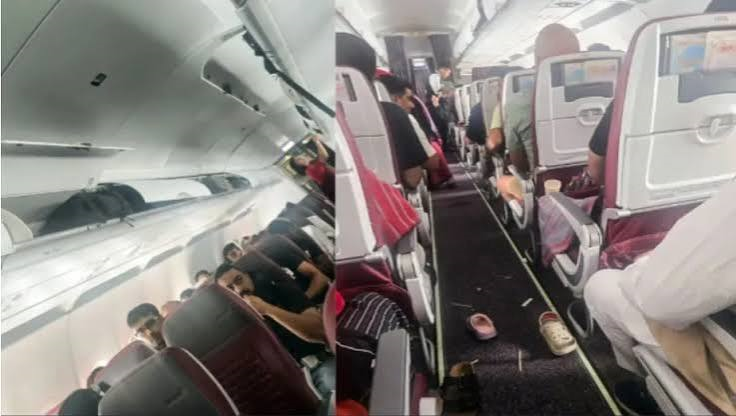
The decision comes after the pilot-in-command of the Phuket-Delhi flight reportedly tested positive for a prohibited substance following an incident in which the aircraft suddenly lost around 300 feet of altitude during turbulence.
The two Tata Group airlines have more than 5,000 pilots combined, all of whom will be covered by the new testing programme.
Mandatory Testing to Begin Thursday
According to a report by PTI, the airlines informed pilots about the decision through an internal communication.
The airlines said they would conduct comprehensive testing for substances and medications that are not permitted under the applicable aviation regulations.
Airline sources said the testing has been made mandatory and will begin from Thursday.
The move is aimed at strengthening safety procedures and ensuring that pilots are not operating aircraft under the influence of prohibited psychoactive substances or medications.
Where Will the Tests Be Conducted?
The testing programme will be carried out at designated locations associated with the airlines.
According to the information provided to pilots, tests will be conducted at:
- Gurugram training academy
- Post-flight briefing centres
- Airline offices
- Designated locations at the respective operating bases
Testing will therefore take place not only during training but also in connection with regular flight operations.
What Happened on the Phuket-Delhi Flight?
The decision follows an incident involving Air India flight AI2379, which was operated by an Airbus A320 on the Phuket-Delhi route.
On August 4, the aircraft reportedly experienced turbulence and suddenly descended by approximately 300 feet.
The incident resulted in injuries to at least 24 people.
There were 145 people on board, including:
- 137 passengers
- 8 crew members
The incident prompted scrutiny of the circumstances surrounding the flight, including the fitness and condition of the operating crew.
Pilot-in-Command Reportedly Tested Positive
Following the incident, the pilot-in-command reportedly tested positive for a prohibited psychoactive substance.
The positive test has become a key factor behind Air India and Air India Express introducing mandatory testing for their entire pilot workforce.
The airlines’ latest decision means that testing will no longer be limited to specific situations or individual cases.
Instead, all pilots will be subject to the new testing regime.
Why Psychoactive Substance Testing Is Important
Commercial pilots are responsible for the safety of hundreds of passengers and must remain fully alert and capable of responding to rapidly changing conditions.
Certain psychoactive substances, medications and prohibited drugs can potentially affect:
- Alertness
- Reaction time
- Judgment
- Coordination
- Decision-making
- Situational awareness
Mandatory testing is therefore intended to help ensure that pilots comply with applicable aviation safety requirements.
More Than 5,000 Pilots to Come Under the Programme
Air India and Air India Express together have a pilot workforce of more than 5,000.
The new testing requirement will consequently cover a large number of cockpit crew members across the two airlines.
The programme is expected to create an additional layer of operational safety and regulatory compliance.
Air India Strengthens Safety Oversight
The move comes as Air India continues to focus on strengthening its operational and safety systems.
The mandatory testing programme will provide the airlines with a mechanism to identify the use of prohibited psychoactive substances or medications among cockpit crew.
Testing at multiple locations, including training facilities, post-flight centres and operating bases, is also intended to make the programme part of the airlines’ broader operational procedures.
Key Details
| Particular | Details |
|---|---|
| Airlines | Air India & Air India Express |
| Testing | Mandatory psychoactive substance testing |
| Who Will Be Tested? | All pilots |
| Pilot Workforce | More than 5,000 |
| Testing Starts | Thursday, August 13, 2026 |
| Trigger | Phuket-Delhi flight incident |
| Flight Number | AI2379 |
| Aircraft | Airbus A320 |
| Route | Phuket–Delhi |
| Incident Date | August 4, 2026 |
| Altitude Drop | Approximately 300 feet |
| People on Board | 145 |
| Passengers | 137 |
| Crew | 8 |
| Reported Injuries | At least 24 |
| Testing Locations | Training academy, post-flight centres, offices and designated bases |
Bottom Line
Air India and Air India Express are making psychoactive substance testing mandatory for all pilots following the reported positive test of the pilot-in-command of AI2379, a Phuket-Delhi flight that experienced a sudden 300-foot altitude drop during turbulence on August 4.
The incident involved 145 people, with at least 24 people reportedly injured.
The new testing programme, covering more than 5,000 pilots, will be conducted at designated facilities including the Gurugram academy, post-flight briefing centres, airline offices and operating bases.
The move represents a significant strengthening of pilot fitness, safety monitoring and regulatory compliance across the two Tata Group airlines.
Source: Information based on the details provided and the PTI report cited in the original report.