


Tata Capital CEO Rajiv Sabharwal said the company’s exposure to revolving credit is less than 5% of its loan portfolio and that it will fully comply with the RBI’s final regulations.
Mumbai: Tata Capital’s exposure to revolving credit, which the Reserve Bank of India (RBI) has proposed restricting for non-bank lenders, accounts for less than 5% of its loan portfolio, according to Tata Capital Managing Director and CEO Rajiv Sabharwal.
Revolving credit is a financing arrangement that allows borrowers to repeatedly draw funds, repay them and access the available credit again within a predetermined limit.
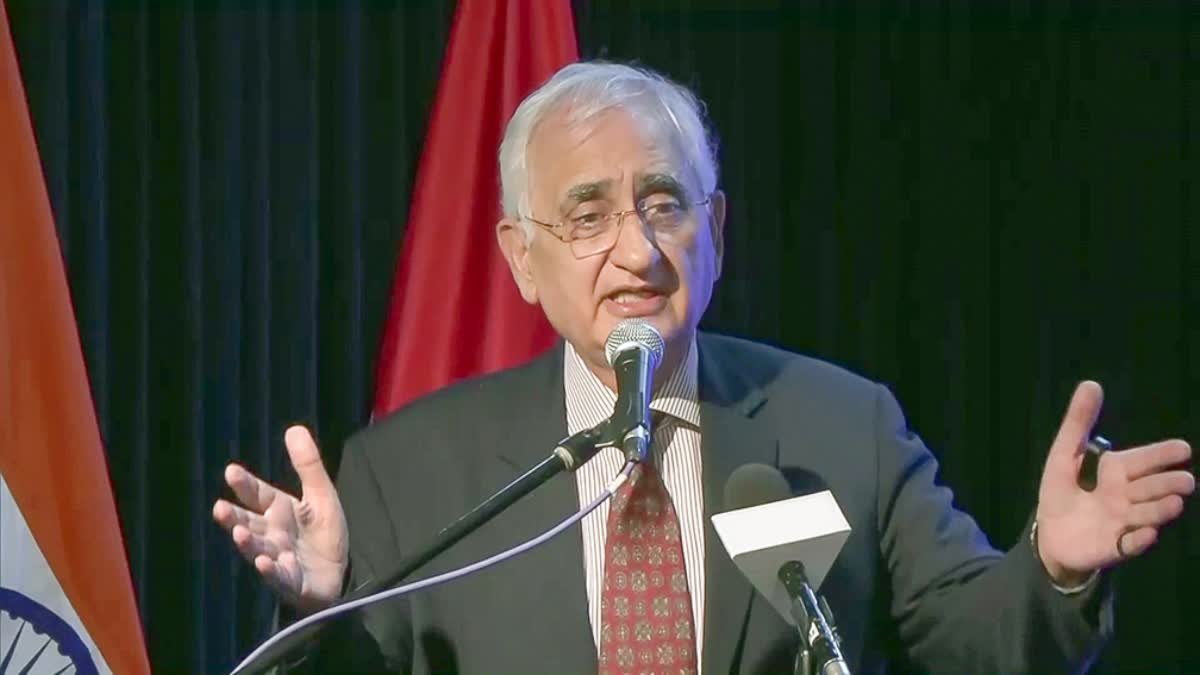
Speaking at a banking conference organised by the Federation of Indian Chambers of Commerce and Industry (FICCI) and the Indian Banks’ Association (IBA), Sabharwal said the company would submit its feedback on the RBI’s proposal and comply with whatever regulations are ultimately notified.
“They have issued a paper and sought feedback, so we will provide our response. Whatever the final regulation is, we will comply with it. For us, revolving credit is less than 5%,” Sabharwal said.
He added that Tata Capital was compiling the relevant data and would submit its detailed response to the regulator.
Tata Capital’s Loan Portfolio
As of the end of June, Tata Capital had gross loans of around ₹2.86 lakh crore, while its assets under management (AUM) stood at approximately ₹2.90 lakh crore.
The company’s relatively limited exposure to revolving credit suggests that the proposed RBI restrictions could have a limited direct impact on Tata Capital, compared with some other non-banking financial companies (NBFCs).
RBI Seeks to Restrict Revolving Credit Structures
The RBI last week proposed measures that would effectively restrict certain flexible lending arrangements that allow borrowers to repeatedly draw down and repay funds from the same credit line.
The proposal is aimed, among other things, at addressing the risk of “evergreening” of loans, where borrowers may use fresh withdrawals to repay existing obligations rather than relying on genuine cash flows.
The proposals have drawn attention across the NBFC sector because several lenders have significant exposure to flexible credit products.
Bajaj Finance Seen as More Exposed
Brokerages believe Bajaj Finance could face a relatively greater impact from the proposed changes.
According to estimates by IIFL Capital, flexible credit arrangements account for approximately 15% of Bajaj Finance’s consolidated AUM and around 20% of its standalone loan portfolio.
By comparison, Cholamandalam Investment and Finance has exposure of less than 1%, while exposure at L&T Finance and Poonawalla Fincorp is considered negligible.
NBFC Credit Card Market Remains Limited
At present, only two non-bank entities in India issue credit cards: SBI Cards and Payment Services, the credit-card arm of State Bank of India, and BOBCARD, a subsidiary of Bank of Baroda.
The RBI’s proposed restrictions are therefore being closely watched by lenders and investors as the regulator seeks to strengthen credit discipline and prevent practices that could mask underlying asset-quality problems.
For Tata Capital, however, the company’s less-than-5% exposure to revolving credit indicates that the proposed framework may have a comparatively limited effect on its overall lending business.