

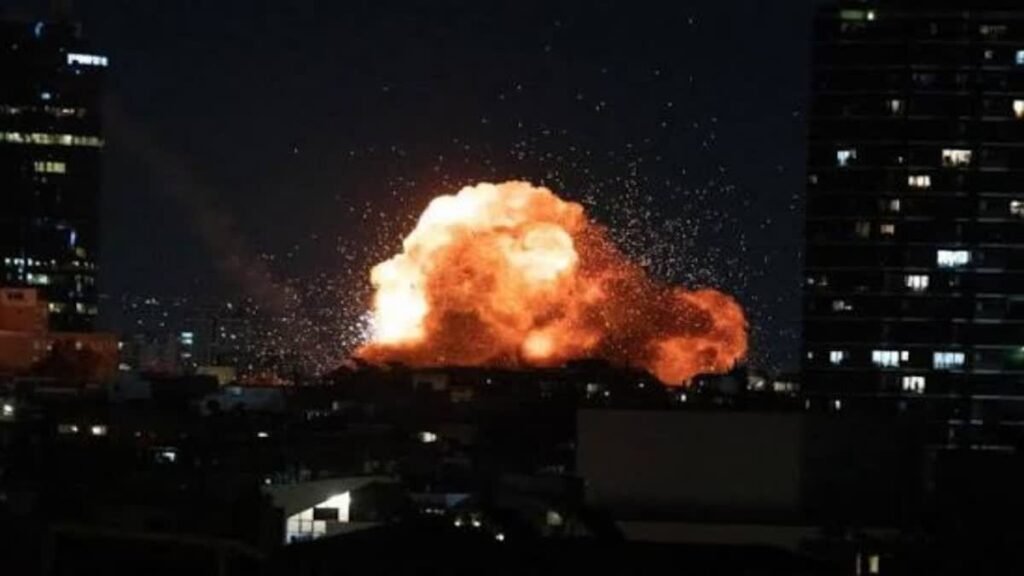
Washington, D.C. | : Tensions between the United States and Iran have reportedly intensified following new U.S. military strikes on Iranian military-related targets and a strong warning from U.S. President Donald Trump regarding the security of the Strait of Hormuz, one of the world’s most strategically important maritime trade routes.
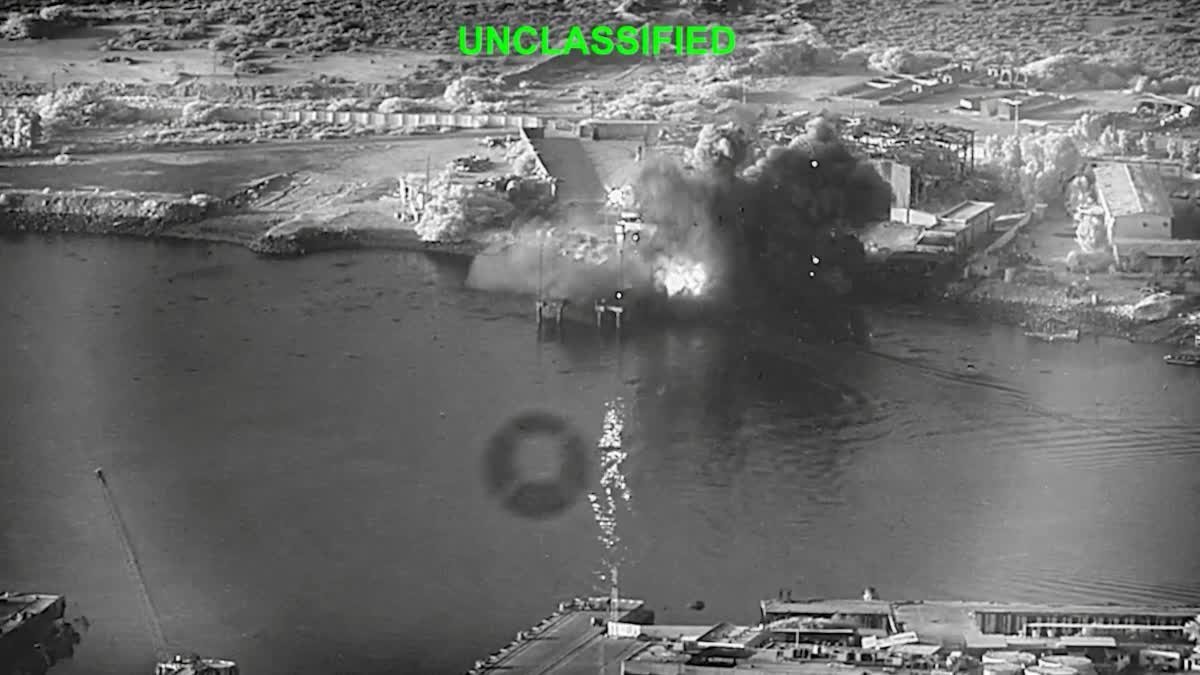
According to the information provided, the U.S. Central Command (CENTCOM) said additional military operations were carried out against Iranian military facilities, stating that the mission was intended to further reduce Iran’s alleged ability to threaten commercial shipping and civilian navigation in regional waters.
Trump Issues Warning Over Strait of Hormuz
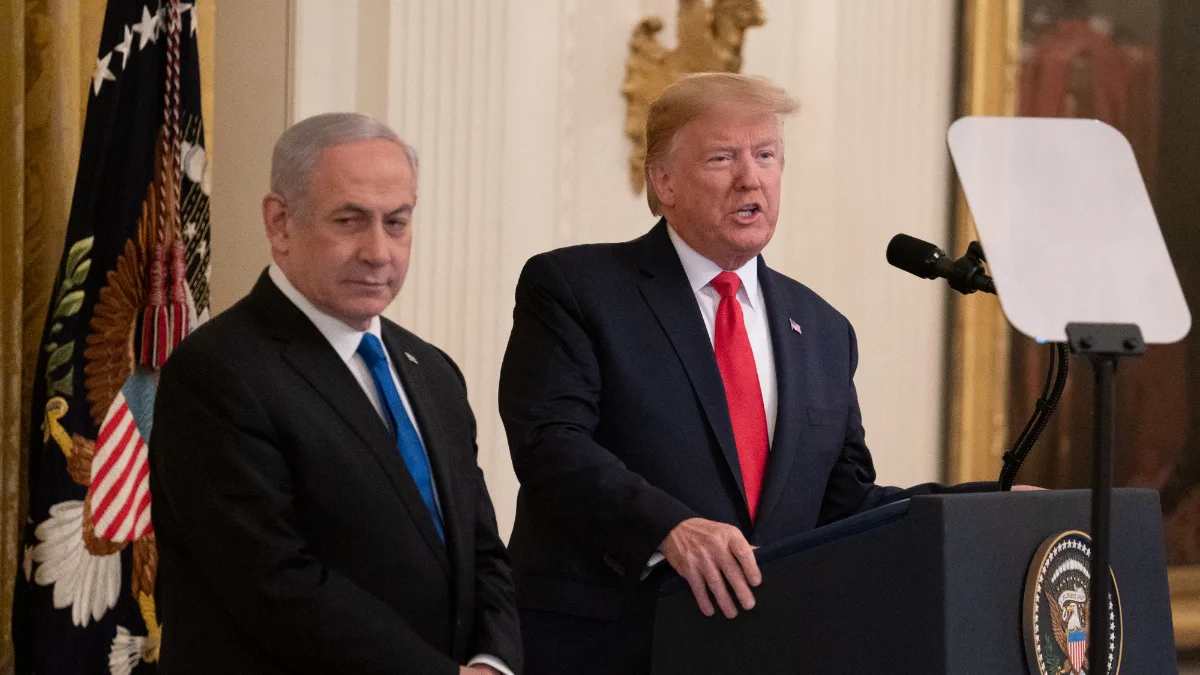
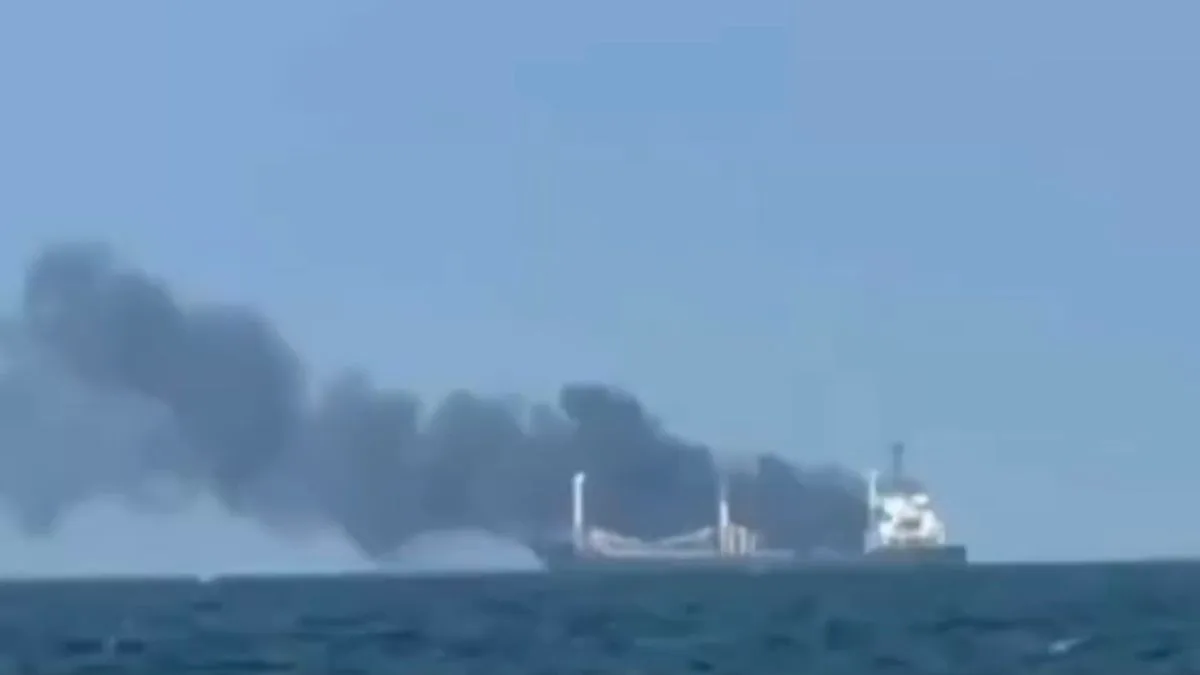
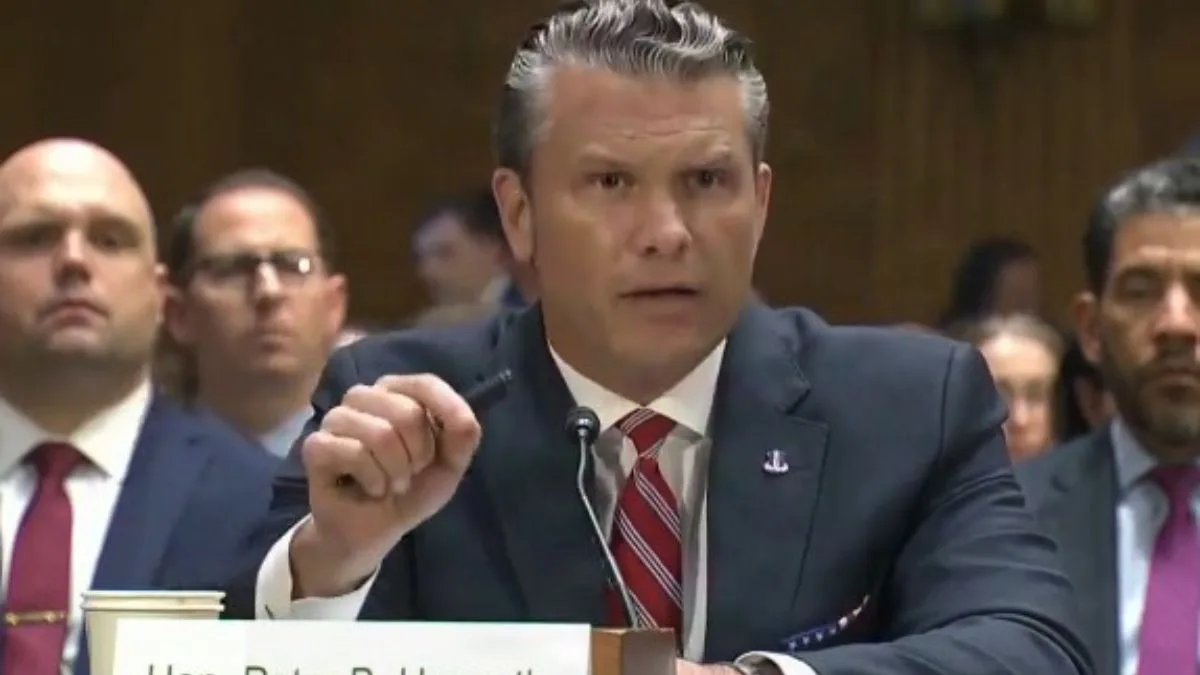
According to reports, President Donald Trump warned that if Iran were to attack any vessel transiting the Strait of Hormuz using missiles, rockets, drones, or other weapons, the United States would respond by targeting Iranian infrastructure, including bridges or power plants.
The reported statement was made through Truth Social, where Trump outlined the potential U.S. response to any future attacks on international shipping in the strategically vital waterway.
The Strait of Hormuz is a critical global energy corridor through which a substantial share of the world’s oil and liquefied natural gas (LNG) exports passes each day.
Iran Responds With Counter-Warning
According to media reports cited in the information provided, Iran’s Khatam al-Anbiya Central Headquarters responded by warning that if the United States attacks Iranian infrastructure, Iran could seek to disrupt oil exports from West Asia and target regional oil, gas, electricity, and other economic infrastructure.
The reported statement further warned that continued military threats could contribute to a broader regional conflict.
These statements reflect the publicly reported positions attributed to each side and do not necessarily indicate imminent military action.
Regional Security Concerns Increase
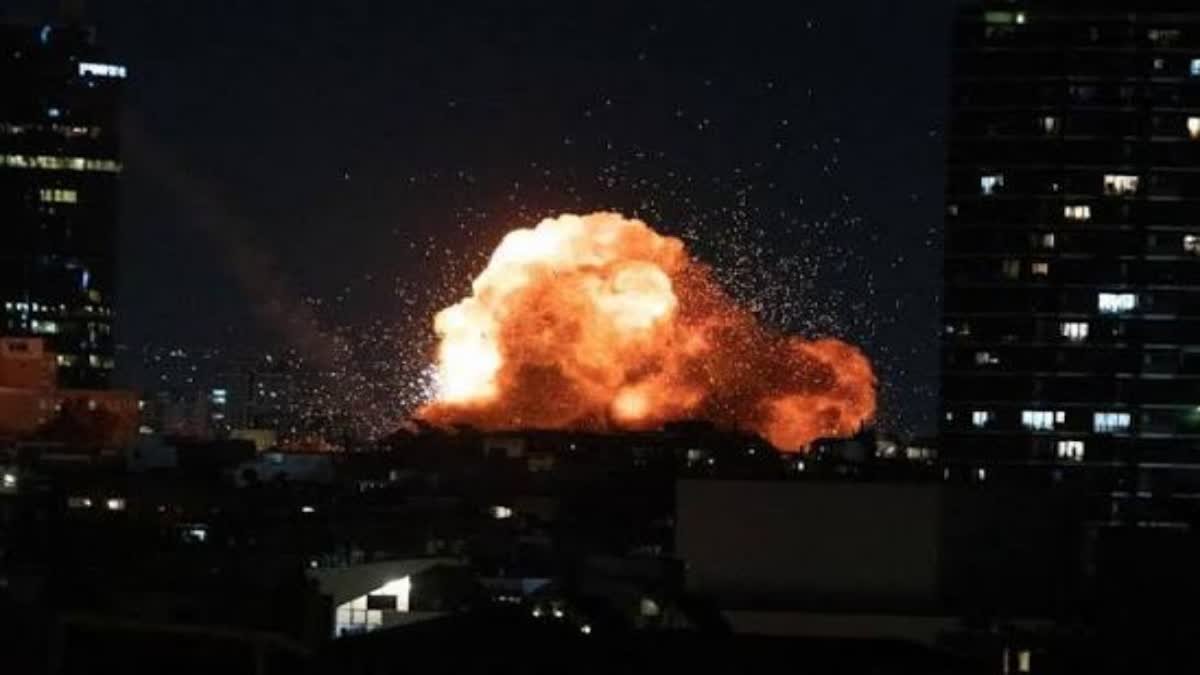
The reported escalation follows another round of U.S. military operations against Iran and additional reports of missile activity in the region.
According to the information provided:
- Iranian air defense systems were reportedly activated following U.S. strikes.
- A reported missile attack near Israel’s border, involving a target in Jordan, prompted heightened security alerts.
- Authorities in Bahrain and Saudi Arabia reportedly issued precautionary warnings in response to the evolving regional situation.
The developments have raised concerns about the potential impact on regional stability, energy markets, and international maritime trade.
American Public Opinion
According to a reported Washington Post–Ipsos poll, 68% of American adults surveyed said that a war with Iran would not be worth fighting, while 28% believed military conflict would be justified.
The poll suggests that public opinion in the United States remains divided, with a majority expressing caution about a wider military confrontation.
American Experts Assess the Situation
Dr. Michael O’Hanlon, an American defense analyst, said that the Strait of Hormuz remains one of the world’s most sensitive maritime chokepoints, and any disruption there could have significant consequences for global energy supplies, shipping, and international markets. He noted that clear communication and crisis management are critical to reducing the risk of unintended escalation.
Meanwhile, Dr. Suzanne Maloney, an American Middle East policy expert, observed that periods of heightened rhetoric between governments can increase uncertainty even when no immediate escalation follows. She emphasized the importance of diplomatic engagement, regional dialogue, and de-escalation efforts to reduce the risk of broader conflict.
Key Developments
- U.S. Central Command (CENTCOM) reportedly conducted additional military operations targeting Iranian military-related sites.
- President Donald Trump reportedly warned of strikes on Iranian infrastructure if ships in the Strait of Hormuz are attacked.
- Iranian officials reportedly warned of possible retaliatory measures affecting regional energy infrastructure if Iranian infrastructure is targeted.
- Reports indicate heightened military readiness and security alerts across parts of the Middle East.
- A reported Washington Post–Ipsos survey found that 68% of Americans opposed a war with Iran.
The situation remains fluid, with developments dependent on decisions by the governments involved. Analysts continue to emphasize that diplomatic engagement, adherence to international law, and efforts to avoid further escalation will be important for maintaining regional and global stability.