


New Delhi, India | A citizens’ initiative known as Team Bharat has announced a large-scale “Gaadi March” (Car Rally) to be held in New Delhi on July 31, aiming to raise concerns over the Central Government’s E20 ethanol-blended petrol policy. The organizers say the campaign is focused on consumer choice, fuel transparency, and pricing, while also demanding greater public disclosure regarding the implementation of the policy.
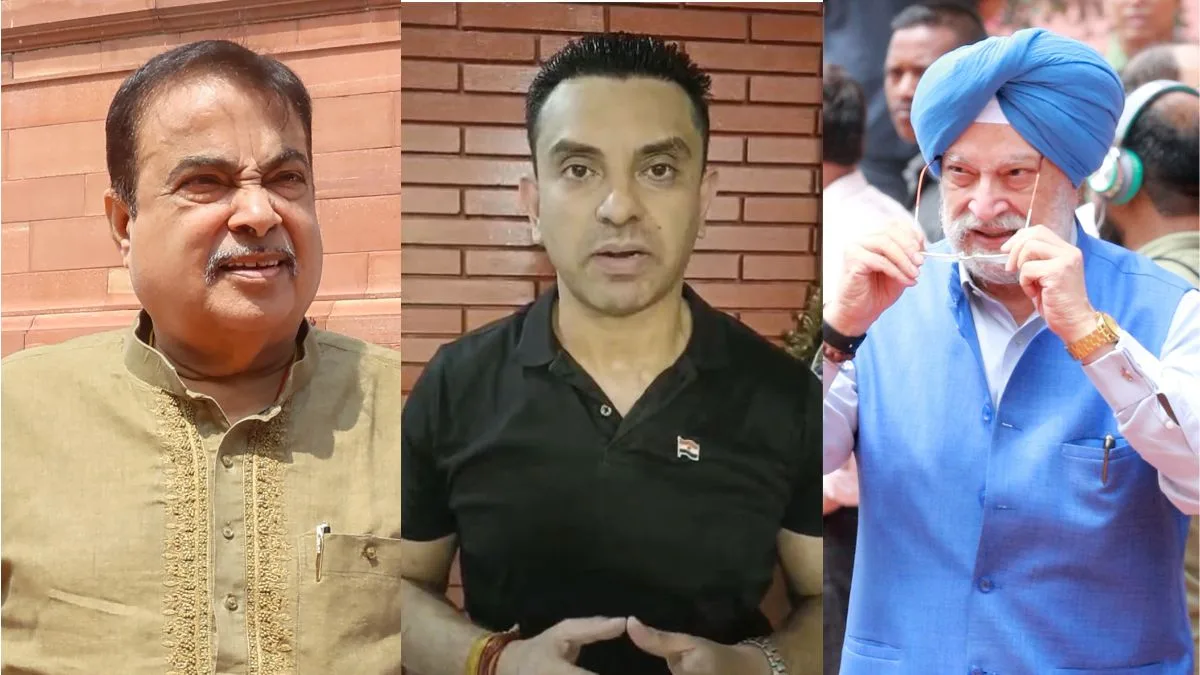
The rally, led by political analyst Tehseen Poonawalla, is expected to begin at India Gate, proceed past the offices and official residences of Union Minister Nitin Gadkari and Union Minister Hardeep Singh Puri, and conclude with a march on foot toward Parliament Street.
‘Your Car, Your Right’ Campaign
Speaking in a video message, Tehseen Poonawalla said the rally will be conducted under the slogan “Aapki Gaadi, Aapka Adhikar” (Your Car, Your Right).
According to him, the campaign seeks to ensure that vehicle owners have the freedom to choose the type of fuel best suited for their automobiles.
“The right to fuel for our tax-paid vehicles is our fundamental right. We want greater transparency and the freedom for consumers to choose the appropriate fuel for their vehicles,” Poonawalla said.
Questions Raised Over Ethanol Pricing
Poonawalla questioned the economics behind the government’s E20 ethanol-blending policy, claiming that the procurement cost of ethanol is reportedly higher than that of refined petrol.
He argued that if petrol costs less to procure than ethanol, consumers deserve a clear explanation for why higher percentages of ethanol are being blended into fuel.
Poonawalla also raised concerns about retail fuel pricing, asserting that greater transparency is needed regarding how fuel prices are calculated and passed on to consumers.
Demand for Accountability
During the announcement, Poonawalla stated that Team Bharat is demanding the resignation of Union Road Transport and Highways Minister Nitin Gadkari, alleging that he should be held accountable for the implementation of the policy.
The organizers emphasized, however, that their campaign is not opposed to ethanol blending itself, but instead seeks:
- Availability of E10 petrol for vehicles designed to operate on E10 fuel.
- Greater consumer choice in selecting fuel grades.
- Reduction in petrol prices, particularly for non-ethanol-blended fuel.
- Public disclosure of documents and studies related to the E20 policy.
- Greater transparency regarding fuel pricing and policy decisions.
Background on the E20 Policy
The E20 fuel policy aims to blend 20 percent ethanol with petrol as part of India’s broader strategy to:
- Reduce dependence on imported crude oil.
- Lower carbon emissions.
- Support domestic sugarcane farmers and the biofuel industry.
- Promote cleaner and more sustainable transportation fuels.
The government has maintained that ethanol blending contributes to energy security, environmental sustainability, and rural economic development.
At the same time, some consumer groups and automotive experts have called for continued availability of lower ethanol blends for vehicles that were not originally designed for higher ethanol concentrations.
American Experts Offer Their Views
Dr. Michael Anderson, an American energy policy researcher from Texas, said fuel transition policies work best when consumers are fully informed.
“Governments around the world are increasing the use of renewable fuels, but transparency and consumer education are essential. Public confidence improves when people clearly understand both the economic and environmental reasons behind such policies.”
Meanwhile, Sarah Collins, an American transportation analyst based in Washington, D.C., noted that offering multiple fuel options can ease public concerns during major policy transitions.
“Many countries introduce alternative fuels gradually while giving motorists time to adapt. Clear labeling, consumer choice, and technical guidance are important elements of a successful transition.”
Looking Ahead
The July 31 Gaadi March is expected to draw attention to the ongoing public discussion surrounding India’s E20 ethanol-blended petrol policy, fuel pricing, and consumer rights.
As the debate continues, supporters of the policy emphasize its potential benefits for energy independence, environmental protection, and domestic agriculture, while critics are calling for greater transparency, broader consumer choice, and clearer communication regarding the policy’s economic impact.
The developments are likely to remain a significant topic of discussion as India continues its transition toward cleaner and more sustainable transportation fuels.