
New Delhi, India | In a significant step toward strengthening India’s critical mineral security, Central Mine Planning & Design Institute Limited (CMPDIL) has signed an Agreement for Deed Execution of Exploration Licence with the Department of Mines and Geology (DMG), Rajasthan, to begin the exploration of Rare Earth Elements (REEs) in the Nawatala–Devigarh block.
The agreement represents a major milestone in India’s efforts to expand domestic exploration of critical minerals, which are essential for the country’s growing clean energy, electronics, electric vehicle, and high-technology manufacturing sectors.
First Agreement Under India’s New Exploration Regime
According to CMPDIL, the agreement is the first exploration licence agreement of its kind in India under the country’s new mineral exploration framework, making it an important precedent for future critical mineral projects.
CMPDIL had originally been granted the exploration licence for the Nawatala–Devigarh block in September 2025, and the formal signing of the agreement now enables the company to proceed with exploration activities.
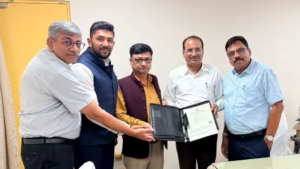
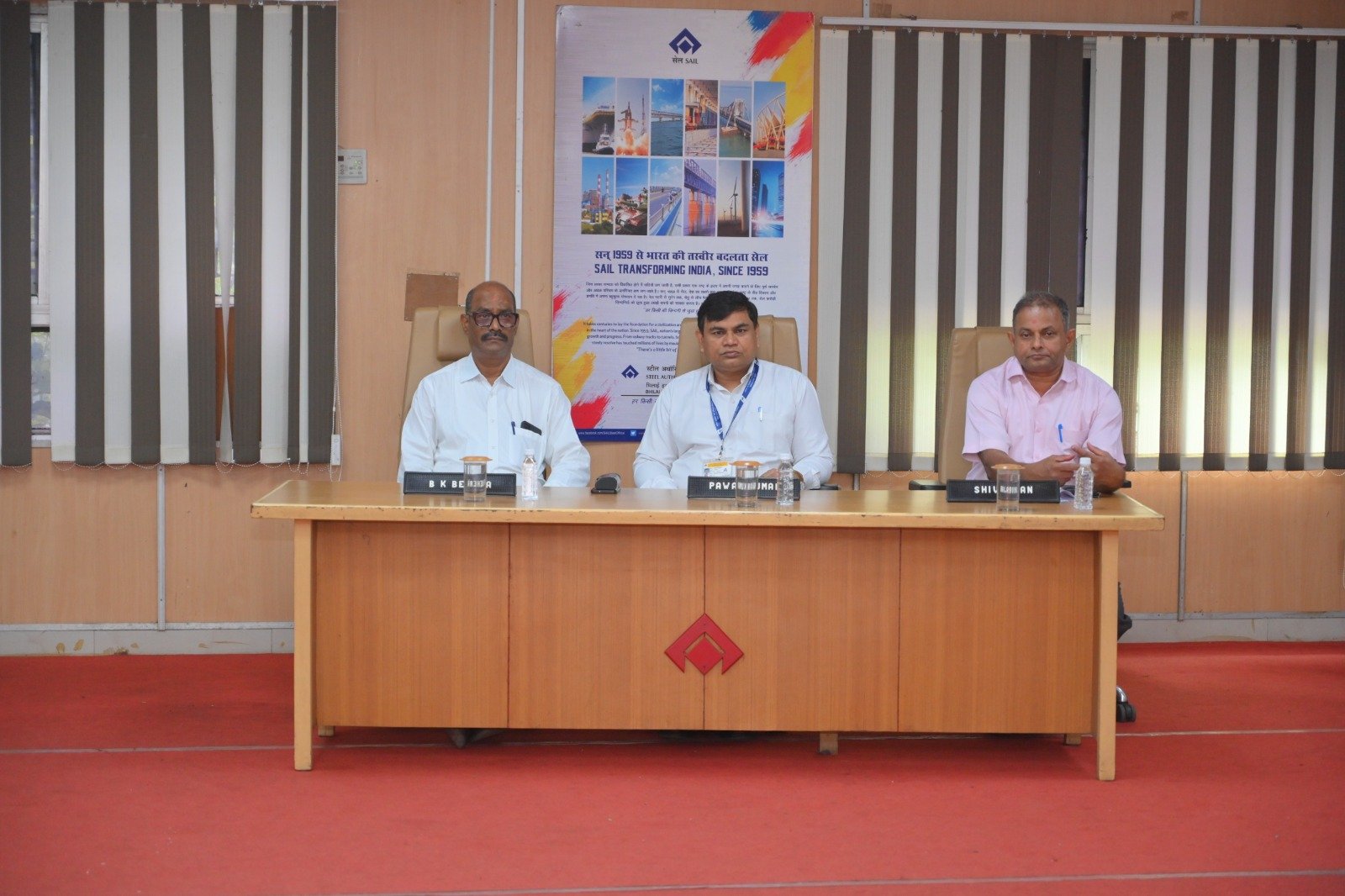
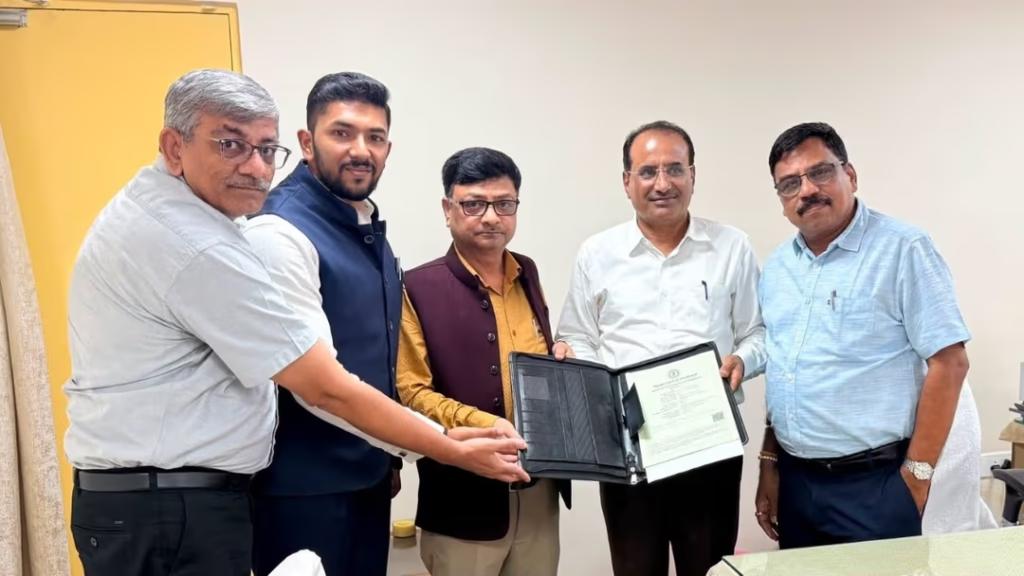
Agreement Signed by Senior Officials
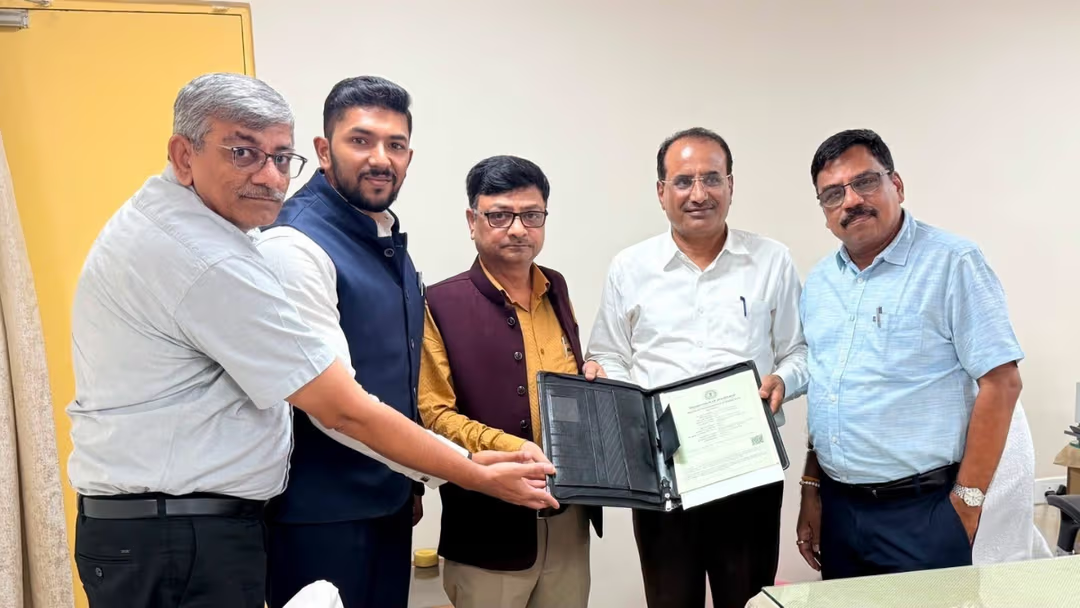
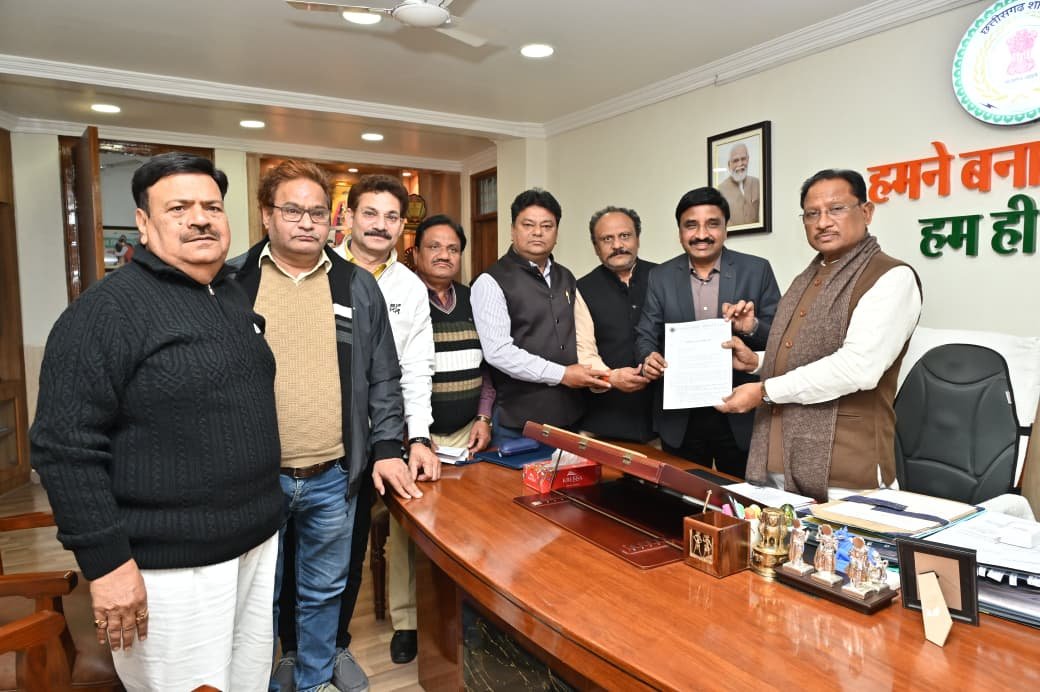
The agreement was signed by M. P. Meena, Director, Department of Mines and Geology (DMG), Rajasthan, on behalf of the Governor of Rajasthan.
Representing CMPDIL, Vikrant Gupta, Head of Business Development (HoD-BD), signed the agreement as the company’s authorized signatory.
Strategic Importance of Rare Earth Elements
Rare Earth Elements (REEs) are a group of 17 strategically important minerals used in the production of numerous advanced technologies, including:
- Electric vehicles (EVs)
- Wind turbines
- Solar energy equipment
- Smartphones and consumer electronics
- Defense systems
- Robotics
- Semiconductor technologies
- Medical devices
- Permanent magnets
As global demand for these materials continues to rise, countries worldwide are working to secure reliable domestic supplies to reduce dependence on imports.
Supporting India’s Critical Mineral Strategy
The agreement reflects CMPDIL’s expanding role in supporting the Government of India’s strategy to develop a strong domestic resource base for critical minerals.
By systematically exploring the Nawatala–Devigarh block, the company aims to improve scientific understanding of India’s Rare Earth Element potential, which could contribute to long-term industrial growth and technological self-reliance.
Industry experts believe that strengthening domestic exploration will support India’s ambitions in renewable energy, electric mobility, advanced manufacturing, and strategic industries.
Reaction from Two Americans
Dr. Michael Anderson, an American mining and critical minerals analyst based in Denver, Colorado, described the agreement as an important development for India’s mineral security.
“Rare Earth Elements are becoming increasingly vital for global technology and clean energy industries. Expanding domestic exploration gives countries greater resilience against supply chain disruptions and strengthens long-term industrial competitiveness.”
Meanwhile, Emily Roberts, an American renewable energy policy researcher from Washington, D.C., said India’s growing focus on critical minerals aligns with international trends.
“As nations accelerate the transition toward electric mobility and renewable energy, securing reliable sources of Rare Earth Elements is becoming a strategic priority. Investments in exploration today can support innovation and energy security for decades to come.”
Looking Ahead
With the signing of the exploration licence agreement, CMPDIL is expected to begin detailed geological investigations in the Nawatala–Devigarh block. The project is anticipated to generate valuable geological data that could help identify commercially viable Rare Earth Element deposits and strengthen India’s domestic critical mineral ecosystem.
As the country continues to pursue energy transition, high-tech manufacturing, and strategic resource independence, the success of this exploration initiative could play an important role in enhancing India’s position in the global critical minerals sector.