
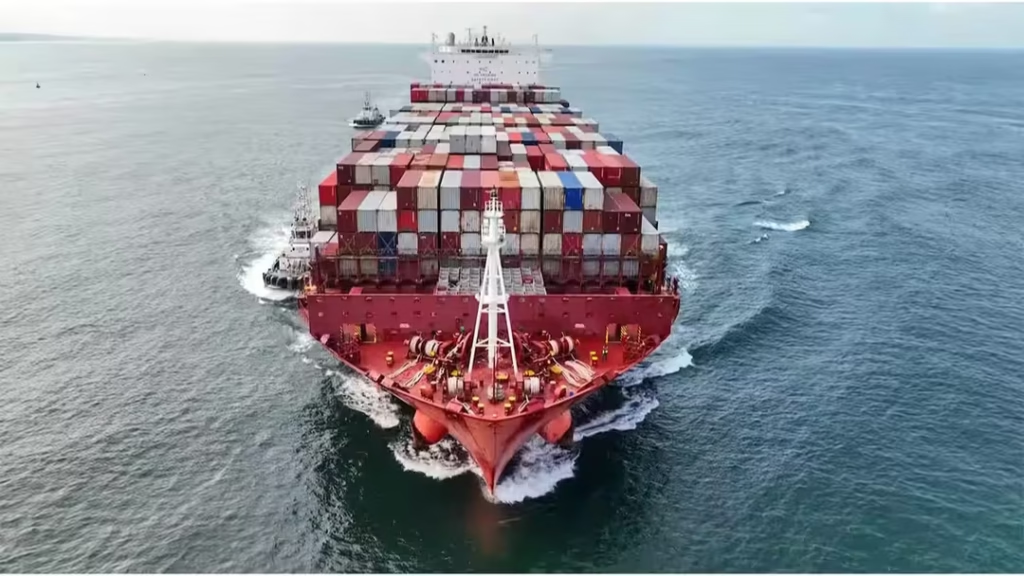
NEW DELHI: In a major push to strengthen India’s maritime workforce and promote sustainable logistics, the Government of India has announced significant initiatives to enhance employment opportunities, improve maritime training, and accelerate the growth of inland waterways transportation.
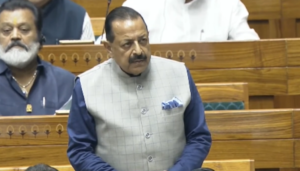
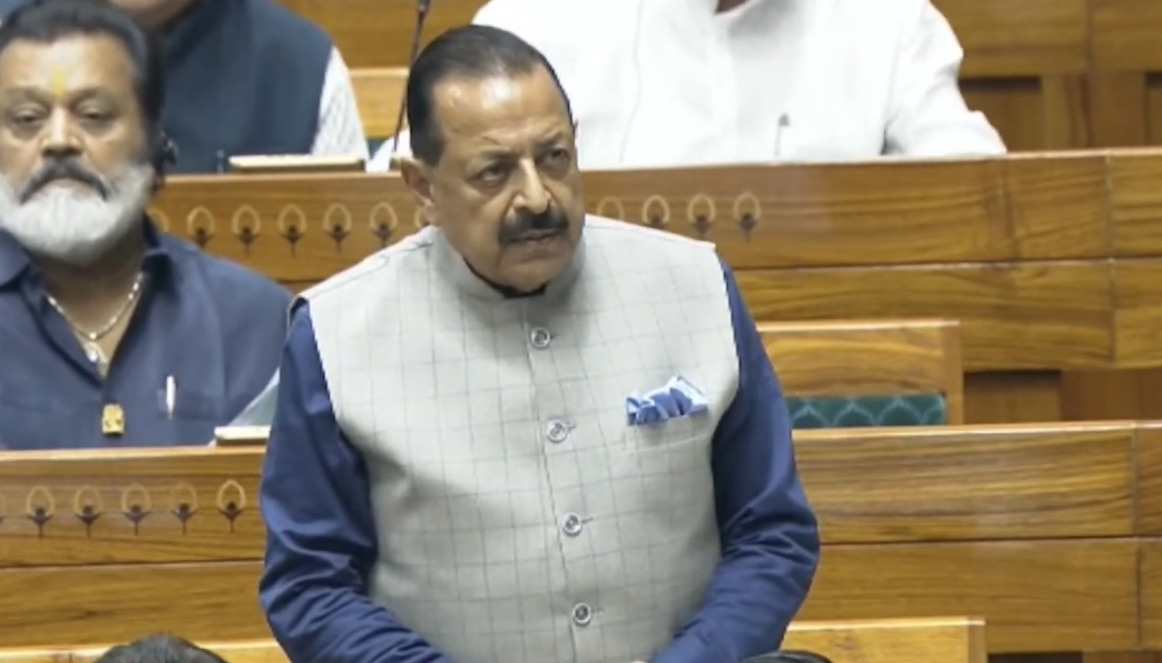
According to a written reply in the Lok Sabha by Union Minister of Ports, Shipping and Waterways, Shri Sarbananda Sonowal, the government has created 96 new onboard training berths aboard the MV Swaraj Dweep and reported a record increase in cargo movement on National Waterways, highlighting India’s growing maritime capabilities.
96 New Training Berths to Boost Maritime Careers
A key announcement is the creation of 96 onboard training berths on the passenger vessel MV Swaraj Dweep, operated under the Andaman & Nicobar Administration in collaboration with the Shipping Corporation of India (SCI).
The initiative is designed to benefit students enrolled in:
- General Purpose (GP) Rating courses
- Certificate Course in Maritime Catering (CCMC)
For aspiring seafarers, onboard sea-time training is a mandatory requirement for obtaining professional certification and advancing their careers.
By increasing the availability of training berths, the government aims to ensure that more maritime students complete their mandatory practical training, making them eligible for employment in India’s expanding shipping industry.
Record Growth in Inland Waterways Cargo
India’s inland waterways sector has witnessed remarkable growth over the past decade.
According to official figures:
- Cargo movement in 2013–14: 18 million tonnes
- Cargo movement in 2025–26: 218 million tonnes
The more than twelve-fold increase reflects the government’s sustained investment in modernizing inland water transport infrastructure and encouraging industries to shift cargo from roads to waterways.
Officials believe the growing cargo volume will generate additional employment in:
- Shipping operations
- Port management
- Logistics
- Vessel operations
- Cargo handling
- Terminal management
- Marine engineering
India’s Maritime Workforce Continues to Grow
The government also reported that the number of active Indian seafarers has steadily increased.
By the end of 2025, India had:
- 3,23,429 active seafarers
This growth reinforces India’s position as one of the world’s leading suppliers of skilled maritime professionals serving both domestic and international shipping companies.
111 National Waterways Driving Economic Growth
To strengthen inland navigation, the Government has declared 111 National Waterways across the country.
Infrastructure development is being carried out under:
- Maritime India Vision 2030
- Maritime Amrit Kaal Vision 2047
Major projects include:
- Fairway development and maintenance
- Community jetties
- Multi-modal logistics terminals
- Floating terminals
- Ro-Pax (Roll-on/Roll-off Passenger) facilities
- Navigation infrastructure upgrades
These initiatives aim to make inland water transport more efficient, environmentally friendly, and cost-effective.
Policy Reforms Supporting the Maritime Sector
The Government has introduced several policy measures to encourage investment and cargo movement through inland waterways.
These include:
- 35% cargo movement incentive scheme
- Extension of the tonnage tax regime to inland vessels
- New regulations encouraging private investment in jetties and cargo terminals
- Ease-of-doing-business reforms
These policies are expected to attract private sector participation while improving the competitiveness of inland water transport.
Digital Transformation of Maritime Services
To modernize maritime administration, the Government has launched digital platforms such as:
- Jalyan
- Navic
These platforms enable:
- Online vessel registration
- Crew registration
- Digital compliance
- Improved operational efficiency
- Faster regulatory approvals
The digital initiatives are designed to simplify procedures and enhance transparency across the maritime ecosystem.
Public Sector Participation
As part of its logistics strategy, the Government has approached more than 140 Public Sector Undertakings (PSUs) to shift a larger share of cargo transportation to inland waterways.
Officials expect this transition to:
- Reduce logistics costs
- Lower carbon emissions
- Improve fuel efficiency
- Generate employment
- Strengthen India’s multimodal transport network
American Experts React
Captain Michael Reynolds, Maritime Logistics Expert (United States)
Captain Michael Reynolds described India’s initiatives as a major investment in the future of maritime employment.
“Expanding onboard training capacity is one of the most effective ways to address workforce shortages in the global shipping industry. Practical sea-time experience is essential for producing highly skilled seafarers who can compete internationally.”
He added that growing inland waterways can significantly reduce transportation costs while creating thousands of jobs across logistics and port operations.
Dr. Emily Carter, Transportation Policy Analyst (United States)
Dr. Emily Carter praised India’s integrated approach to maritime development.
“Combining workforce training, infrastructure investment, policy reforms, and digital modernization creates a strong foundation for long-term growth. Inland waterways offer economic, environmental, and employment benefits that complement road and rail transport.”
She noted that expanding water-based freight transport can improve supply chain resilience while supporting sustainable economic development.
Future Outlook
With increased training capacity, expanding cargo movement, modern waterway infrastructure, and supportive government policies, India’s maritime sector is positioned for substantial long-term growth.
The Government expects these initiatives to:
- Create more employment opportunities
- Increase the number of certified Indian seafarers
- Reduce national logistics costs
- Boost inland waterways transportation
- Strengthen India’s global maritime competitiveness
- Support the goals of Maritime India Vision 2030 and Maritime Amrit Kaal Vision 2047
As cargo volumes continue to rise and infrastructure expands, India’s maritime industry is expected to become an even more important contributor to the country’s economic development and global trade.
Key Highlights
- The Government has created 96 onboard training berths on MV Swaraj Dweep in collaboration with the Shipping Corporation of India (SCI).
- The initiative benefits GP Rating and Certificate Course in Maritime Catering (CCMC) trainees by providing mandatory sea-time training.
- Cargo movement on National Waterways increased from 18 million tonnes in 2013–14 to 218 million tonnes in 2025–26.
- India had 3,23,429 active seafarers by the end of 2025, reflecting continued workforce growth.
- The Government has declared 111 National Waterways and is implementing projects under Maritime India Vision 2030 and Maritime Amrit Kaal Vision 2047.
- Infrastructure initiatives include fairway maintenance, community jetties, multi-modal terminals, floating terminals, and Ro-Pax facilities.
- Policy measures include a 35% cargo movement incentive, tonnage tax extension, and reforms to encourage private investment.
- Digital platforms Jalyan and Navic have been launched to simplify vessel and crew registration.
- More than 140 Public Sector Undertakings (PSUs) have been encouraged to shift cargo to inland waterways.
- American experts believe these initiatives will strengthen India’s maritime workforce, improve logistics efficiency, and enhance the country’s position in the global shipping industry.