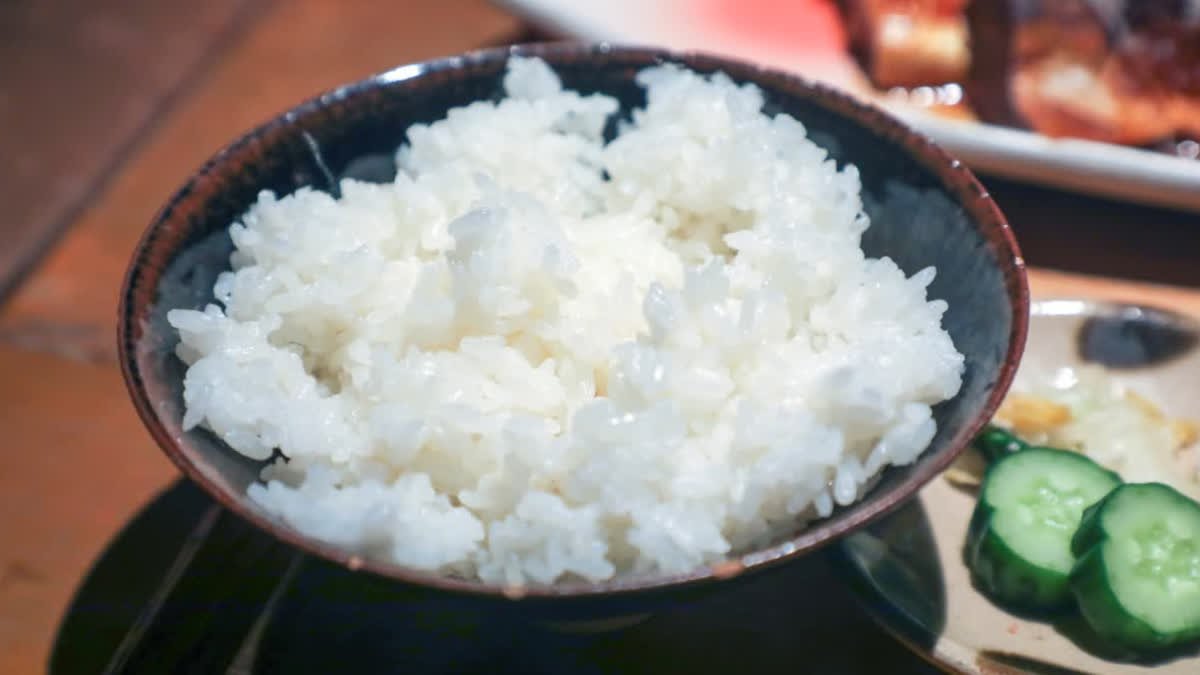

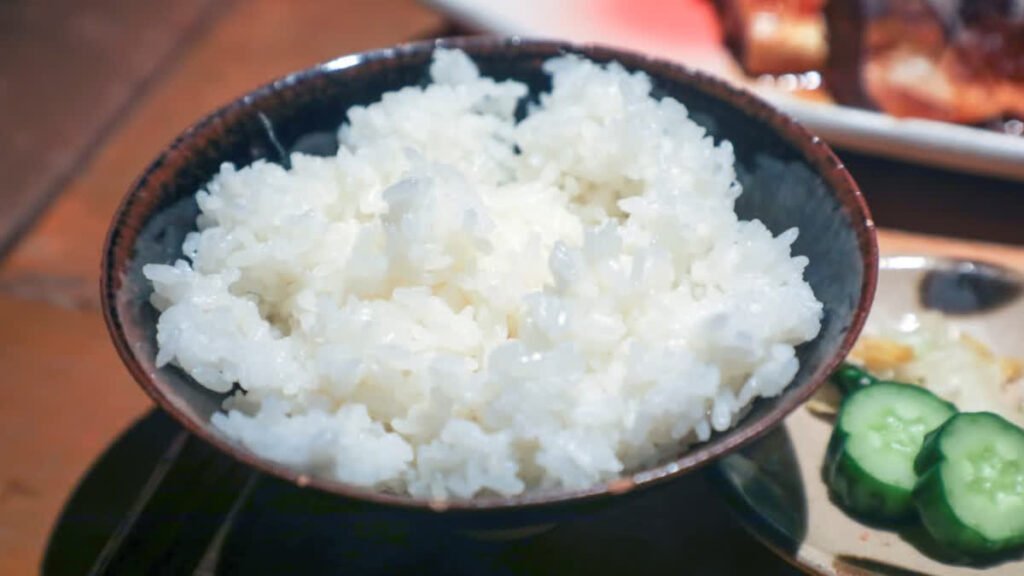
New Delhi : Many people trying to lose weight completely eliminate rice from their diets, believing it is responsible for weight gain. However, Clinical Nutritionist Dr. Renuka Mainde says that avoiding rice altogether is not necessary for successful weight management. Instead, the key lies in portion control, balanced meals, and choosing the right type of rice.
According to Dr. Mainde, rice has been a staple food in Indian diets for generations and can remain part of a healthy eating plan when consumed in moderation. Rather than eliminating specific foods, she recommends following a balanced diet that provides the body with essential energy, vitamins, and minerals, while also supporting a strong immune system and overall health.
Rice Is Rich in Essential Nutrients
Rice is one of the world’s most widely consumed staple grains and provides more than 15 essential nutrients. It is an excellent source of complex carbohydrates, which serve as the body’s primary fuel for daily activities.
In addition to carbohydrates, rice contains important nutrients such as B vitamins (thiamine, niacin, and vitamin B6), magnesium, phosphorus, and selenium, all of which support normal body functions, metabolism, and energy production.
Dr. Mainde explains that the complex carbohydrates in rice are digested gradually, providing a steady supply of energy instead of causing rapid spikes and crashes associated with foods high in refined sugar. This sustained energy release may also help improve concentration and reduce frequent hunger.
A Naturally Gluten-Free Food
Rice is naturally gluten-free, making it an excellent choice for people with gluten intolerance, gluten sensitivity, or celiac disease. Unlike grains such as wheat, barley, and rye, rice does not contain gluten and can be safely included in a gluten-free diet.
Affordable and Easy to Include in Daily Meals
Another advantage of rice is its affordability and availability. It is inexpensive, easy to prepare, and pairs well with a wide variety of healthy foods. Nutrition experts emphasize that rice should be consumed as part of a balanced meal, rather than being eaten in large quantities on its own.
How to Eat Rice for Weight Loss
Health experts recommend the following strategies to enjoy rice without compromising weight-loss goals:
- Control Portion Size: Limit your serving to ½ to 1 cup of cooked rice per meal. Using a small bowl instead of a large plate can help prevent overeating.
- Follow the Plate Method: Fill half of your plate with high-fiber vegetables, one-quarter with lean protein, and only one-quarter with rice. This creates a balanced meal while reducing excess calorie intake.
- Try the Cook-and-Cool Method: Cook rice and refrigerate it for 12 to 24 hours before eating. This process converts part of the digestible starch into resistant starch, which is digested more slowly. Resistant starch may reduce calorie absorption, improve gut health, and promote longer-lasting fullness. The rice can be reheated without losing these benefits.
- Choose Whole-Grain Rice Varieties: Whenever possible, opt for brown rice, red rice, or black rice instead of polished white rice. These minimally processed varieties contain more fiber and digest more slowly, helping you stay full longer while reducing sudden blood sugar spikes.
- Pair Rice with Protein and Fiber: Avoid eating rice by itself. Combine it with lean protein such as lentils, fish, chicken, paneer, or eggs, along with fiber-rich vegetables like broccoli, spinach, or salad. This combination slows carbohydrate absorption and supports better blood sugar control.
- Choose Healthier Cooking Methods: Steamed or boiled rice is a healthier choice than fried rice or rice prepared with excessive oil, butter, cream, or heavy gravies, which significantly increase calorie content.
The Bottom Line
Experts say that rice itself is not responsible for weight gain. Instead, factors such as overeating, large portion sizes, poor meal balance, and an overall calorie surplus contribute more significantly to weight gain. When consumed in moderation and combined with lean protein, fiber-rich vegetables, and healthy eating habits, rice can be a nutritious part of a weight-loss-friendly diet while providing sustained energy and essential nutrients.