
New Delhi, : The Bharatiya Janata Party (BJP) has intensified its political offensive against the Aam Aadmi Party (AAP) following the conviction of former AAP councillor Tahir Hussain in the 2020 Northeast Delhi riots case involving the murder of Intelligence Bureau (IB) officer Ankit Sharma. The party is now preparing to make the issue a major political campaign point ahead of the Punjab Assembly elections, expected either in November 2026 or February 2027.
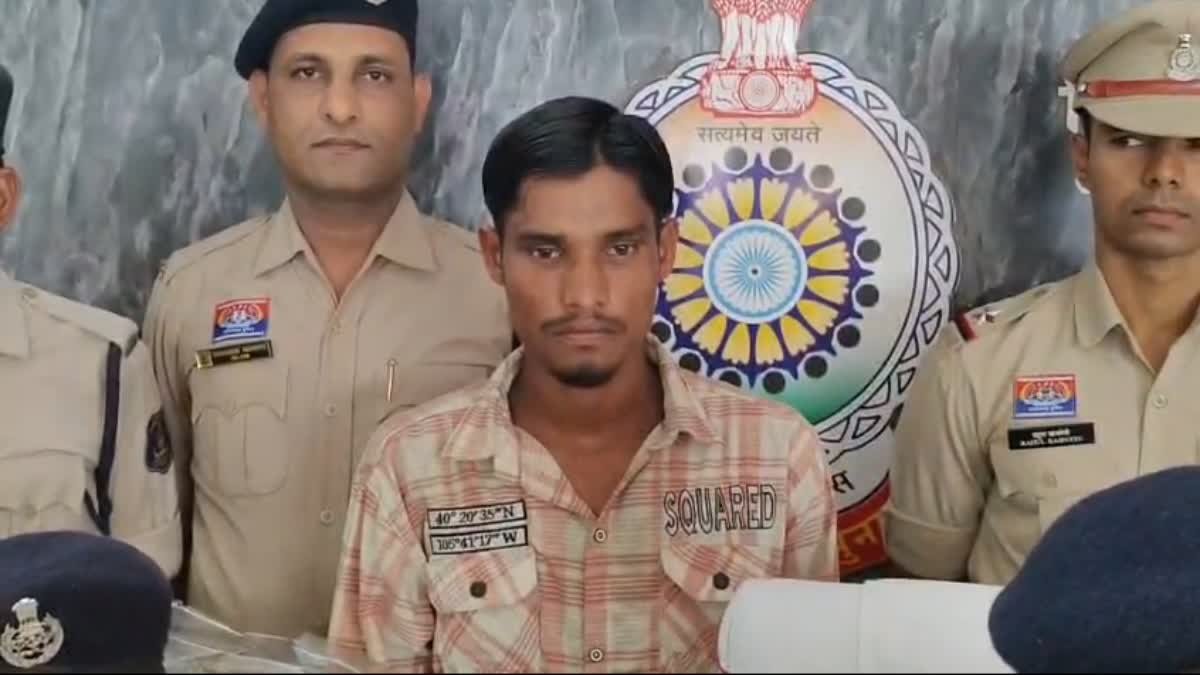
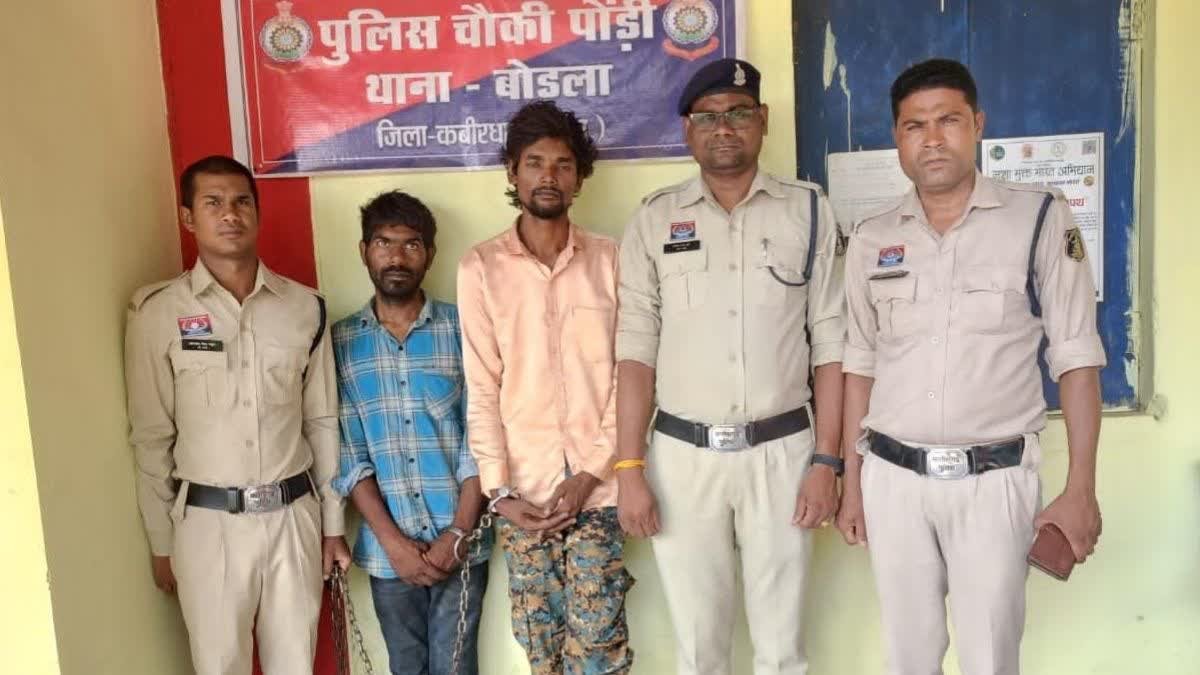
The move comes after the Karkardooma Court in Delhi found Tahir Hussain and four other accused guilty of multiple charges, including murder, rioting, kidnapping, promoting communal enmity, and unlawful assembly. At the same time, the court acquitted six other accused in the case.
According to BJP sources, the verdict has provided the party with a significant political opportunity to question AAP’s governance and its handling of the 2020 Delhi riots during the tenure of former Chief Minister Arvind Kejriwal. The BJP is expected to aggressively highlight the conviction during its campaign in both Delhi and Punjab, where AAP currently forms the government under Chief Minister Bhagwant Mann.
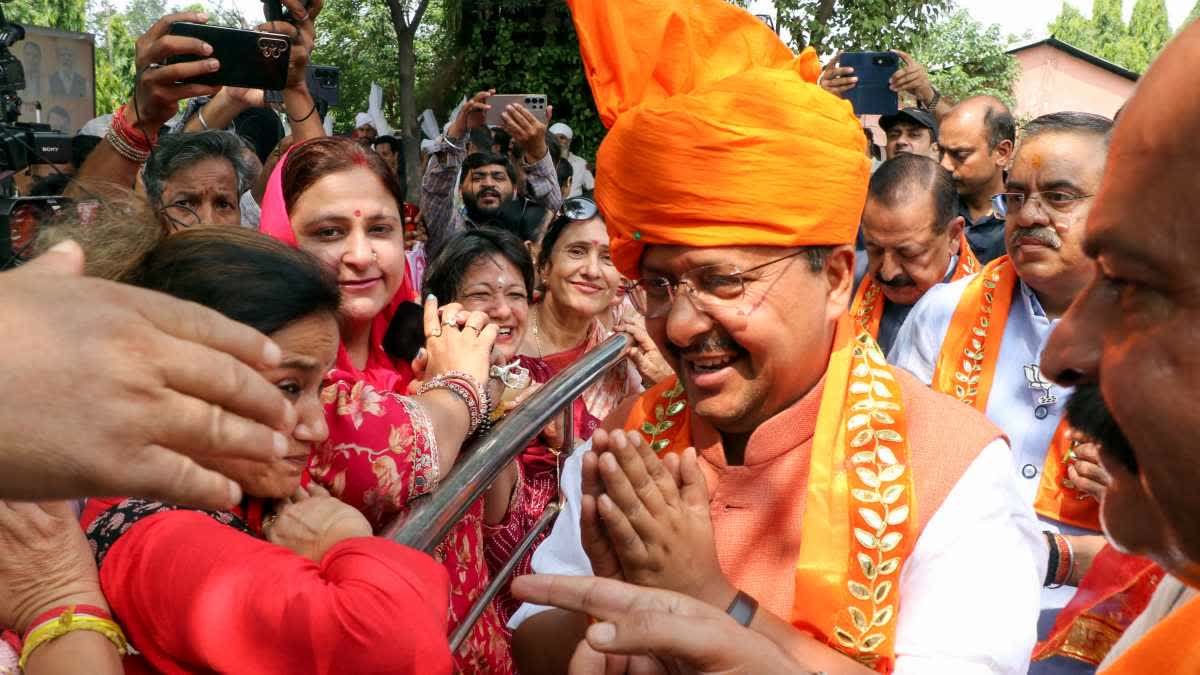
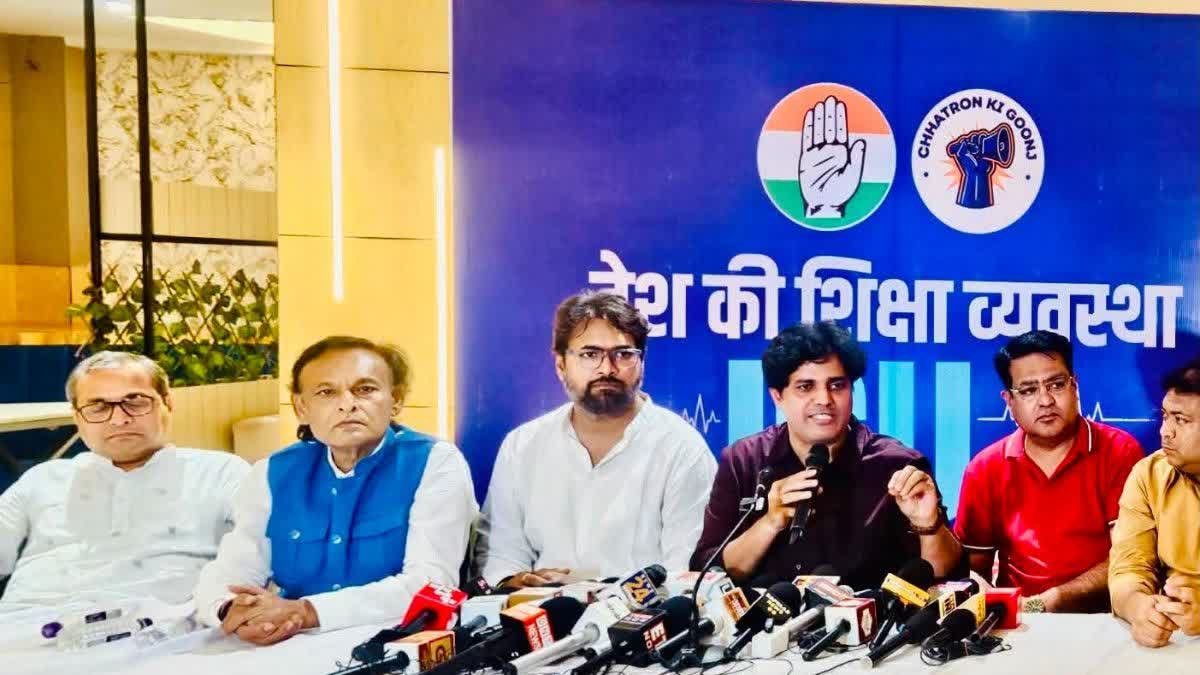
The party has already begun its campaign by holding press conferences, with several BJP spokespersons accusing AAP of failing to prevent the violence and questioning the party’s response after the killing of IB officer Ankit Sharma. BJP leaders have repeatedly referred to Tahir Hussain as a former AAP leader and argued that the court’s verdict raises serious questions about the party’s political and administrative accountability.
According to party insiders, the BJP plans to continue raising the issue through media briefings and public rallies while demanding answers from Arvind Kejriwal regarding the events surrounding the riots and Hussain’s conviction. The party also intends to combine this issue with its broader criticism of the Punjab government, focusing on law and order, corruption, and alleged administrative failures.
The BJP believes the case will strengthen its campaign narrative in Punjab by portraying the AAP government as weak on public safety and communal harmony. Party leaders argue that incidents such as the killing of Ankit Sharma reflect deeper governance concerns that voters should consider during the upcoming elections.
On the other hand, the Aam Aadmi Party has dismissed the BJP’s allegations, describing them as a politically motivated campaign. AAP leaders have maintained that the court’s judgment concerns an individual criminal case and should not be used to implicate the entire party.
The party has stated that it will continue focusing its campaign in Punjab on its development initiatives, including improvements in healthcare, education, farmer welfare, and public services, rather than engaging in what it describes as political mudslinging.
Speaking on the issue, BJP National Spokesperson R.P. Singh claimed that the conviction demonstrates an alleged attempt to target a particular community during the riots. He also questioned why then-Chief Minister Arvind Kejriwal did not publicly respond to the murder of Ankit Sharma, alleging that AAP leaders instead attempted to defend Tahir Hussain. Singh further argued that the party should apologize for its alleged role during that period.
When asked whether the issue would become part of the BJP’s campaign in Punjab, Singh said the matter should not be viewed merely as an electoral issue but as one concerning law and order and governance. He accused the Bhagwant Mann government of failing to maintain public security and alleged that AAP continues to pursue a policy of appeasement politics, a claim that AAP strongly rejects.
The 2020 Northeast Delhi riots claimed the lives of more than 50 people, including IB officer Ankit Sharma, whose father filed the complaint that led to the investigation. Nearly six years after the violence, the court’s verdict has once again brought the riots into the national political spotlight.
With the Punjab Assembly elections approaching, political observers expect the conviction to become a significant issue in campaign debates, as the BJP seeks to challenge the ruling AAP, while the latter attempts to keep the electoral focus on its governance record and welfare programs.
Note: The court’s conviction relates to Tahir Hussain as an individual accused. Allegations made by political parties against AAP are part of the ongoing political debate, and the party has denied any organizational involvement in the crime.