
Janjgir-Champa, Chhattisgarh | May 2026
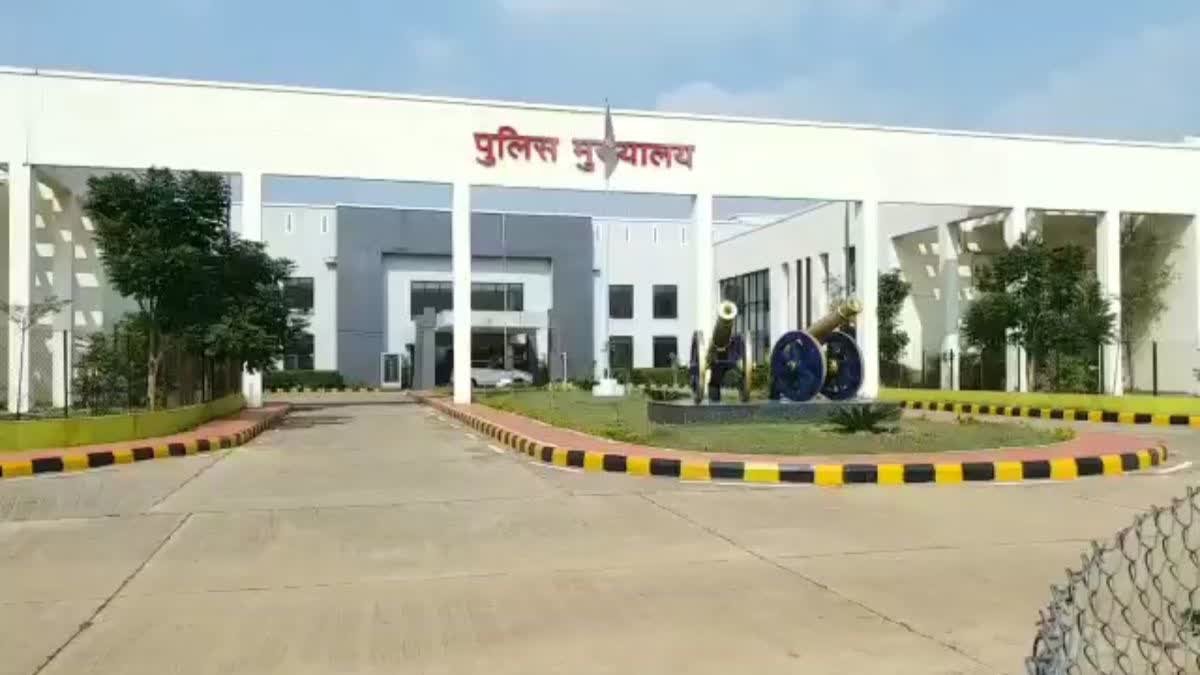
More than two weeks after the sensational Karhi village shooting and murder case shook Chhattisgarh’s Janjgir-Champa district, police investigators are still struggling to arrest the main accused, raising serious questions about the effectiveness of the state’s much-publicized “smart policing” initiatives.
The case, which left 19-year-old Ayush Kashyap dead and his younger brother injured, has now evolved from a criminal investigation into a broader debate over law enforcement efficiency, political influence, illegal sand mining networks, and the credibility of technology-driven policing claims.
A Brutal Midnight Attack
According to police and family accounts, the attack took place during the night of April 23–24 in Karhi village under Birra police station limits in Janjgir-Champa district.
Masked gunmen allegedly stormed the residence of local Congress leader Sammelal Kashyap and opened indiscriminate fire inside the house. During the attack, Ayush Kashyap was fatally shot, while his younger brother, Ashutosh Kashyap, sustained injuries.
The violent incident triggered panic across the region and immediately became one of the most discussed criminal cases in the district.
Massive Investigation, But No Breakthrough
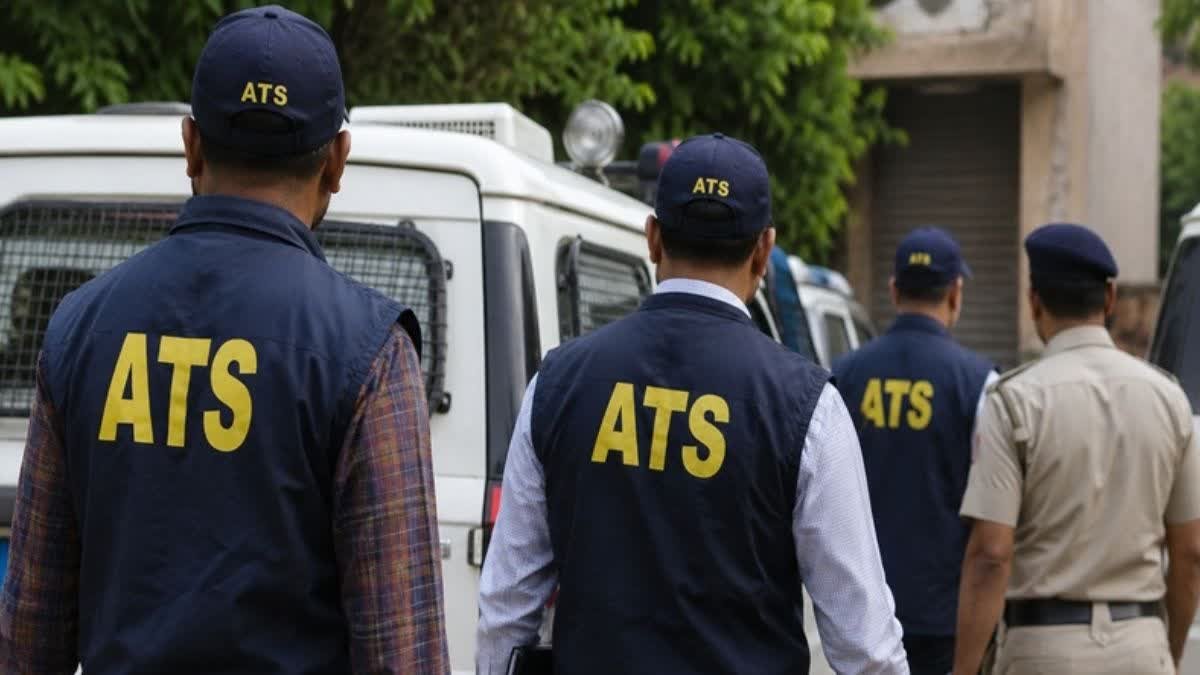
Following public outrage, police announced a large-scale investigation. Officials claimed that:
- A team of nearly 35 police personnel was assigned to the case.
- Thousands of CCTV footage clips were reviewed.
- Extensive mobile call detail records were analyzed.
- More than 100 individuals were questioned.
Despite these efforts, police have reportedly failed to identify or arrest the principal suspects even after more than 15 days.
The lack of progress has intensified public frustration and sparked criticism from both opposition leaders and local residents.
Questions Over “Smart Policing” Claims
The controversy has also drawn attention to the promises made earlier by Bilaspur Range Inspector General (IG) Ramgopal Garg, who had promoted advanced policing systems after assuming office.
Officials had highlighted technology-based initiatives such as:
- AI-supported monitoring systems
- “Trinayan” surveillance applications
- “Sashakt” policing tools
- QR-code-based grievance systems for direct victim access to senior officers
Authorities had claimed these systems would improve criminal tracking, speed up investigations, and reduce delays in justice delivery.
However, the Karhi shooting case has become a major test of those claims.
Critics now argue that while technology and digital policing tools are showcased during press conferences and official presentations, their impact is not visible on the ground when major crimes occur.
Local residents are increasingly asking: If police possess advanced surveillance systems, extensive manpower, and digital investigative tools, why are the accused still beyond reach?
Family Running From Office to Office Seeking Justice
The victim’s family says they have exhausted nearly every administrative and political channel available.
Family members have reportedly met:
- Local police officials
- Senior district officers
- Bilaspur Range IG officials
- MLAs and MPs from the region
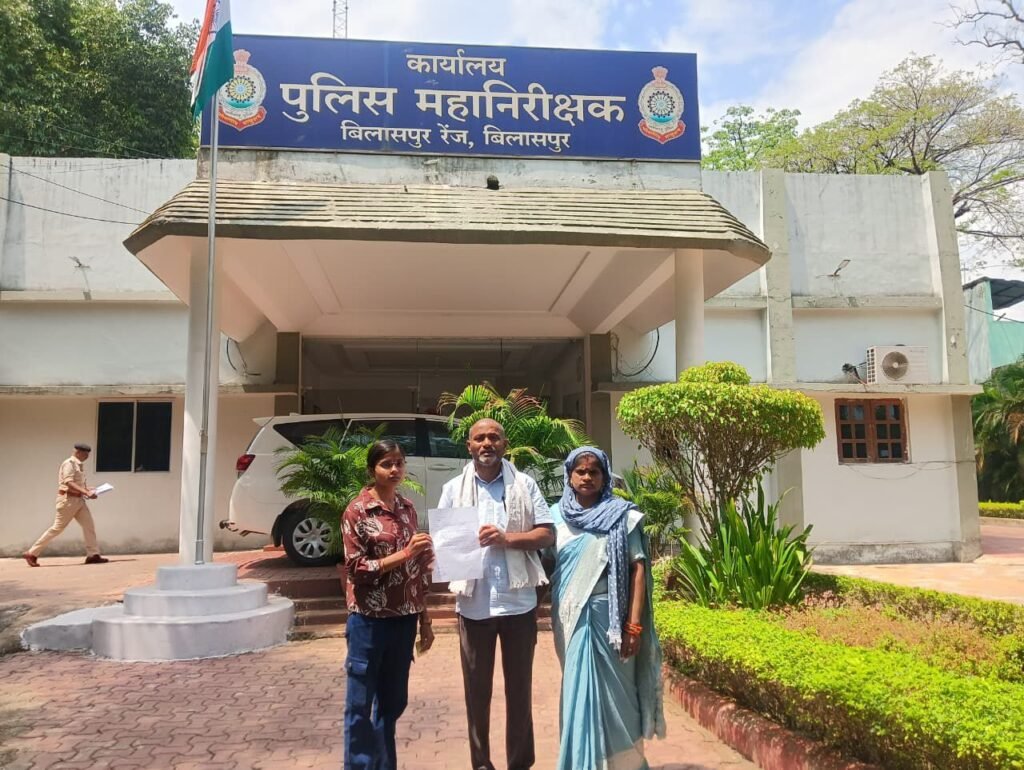
The family even traveled to Bilaspur to personally appeal to senior police leadership for swift arrests.
Despite repeated assurances, they claim there has been little visible progress.
Illegal Sand Mining Angle Emerges
Ayush Kashyap’s father, Sammelal Kashyap, has repeatedly alleged that the murder is linked to disputes involving illegal sand mining operations in the region.
According to him, names of influential individuals connected to the alleged sand mining network were provided to police investigators. However, he alleges that no meaningful action has been taken against those individuals so far.
The allegation has added another politically sensitive dimension to the case, especially given the long-standing concerns over illegal mining activities across several districts in Chhattisgarh.
Political Leaders Raise Concerns
The slow pace of the investigation has also triggered strong reactions from political representatives.
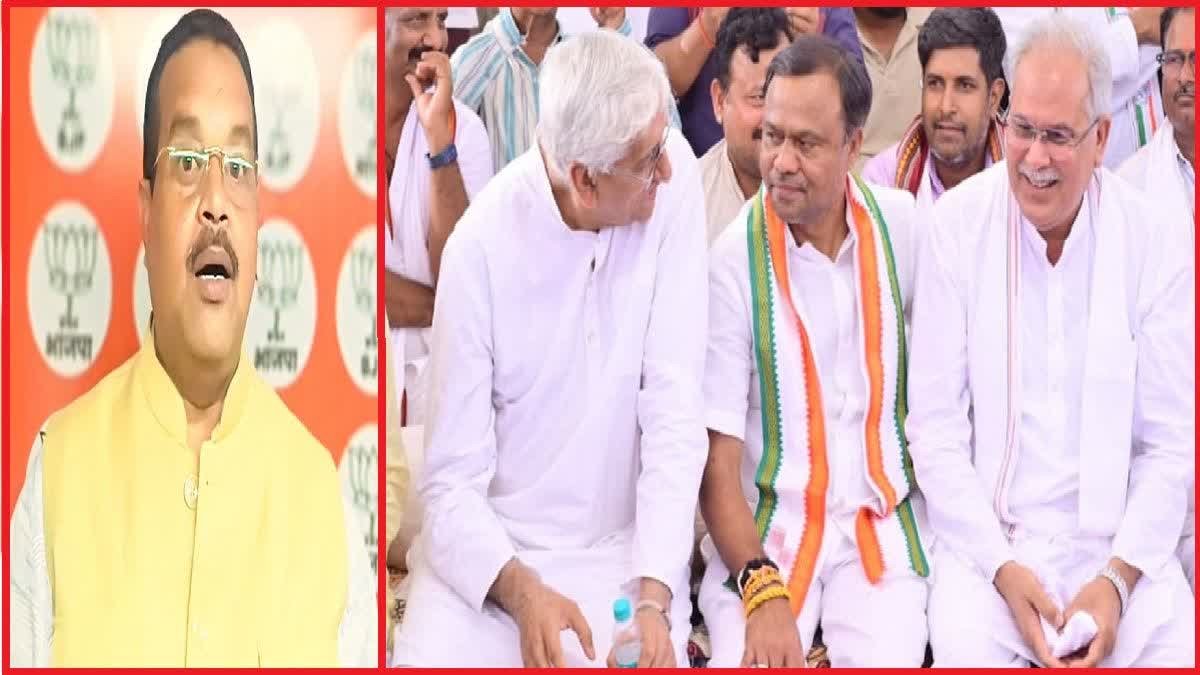
Congress MLA Byas Kashyap criticized the police response, saying modern law enforcement agencies possess enough technical capability to trace criminals quickly.
He remarked that if police genuinely wanted to act, “they could catch criminals even from the underworld,” questioning why the accused remain free after more than two weeks.
Meanwhile, BJP MP Kamlesh Jangde also called for strict action against everyone involved in the attack. She reportedly urged district officials and police authorities to intensify the investigation and crack down on illegal sand extraction activities in the area.
Trauma Inside the Family
Beyond the political debate and policing controversy lies a grieving family struggling to cope with devastating loss.
Relatives say the home that once echoed with the voices of two sons is now consumed by silence and mourning. Injured survivor Ashutosh Kashyap is reportedly still traumatized by the attack.
Family members fear the case could eventually fade into prolonged procedural delays without justice being delivered.
Bigger Questions About Justice and Accountability
The Karhi shooting case has now become symbolic of a larger concern frequently raised in rural India: whether ordinary citizens receive the same urgency and institutional response as influential families.
Public discourse surrounding the case increasingly centers on one uncomfortable question:
Would the investigation have moved faster if the victims belonged to a more powerful or politically connected family?
As pressure mounts on the administration, the case continues to test not only the credibility of local police but also the broader promise of technology-driven governance and accountability in criminal investigations.