


Patna, India |: The Government of Bihar is significantly expanding its clean energy strategy, placing a stronger emphasis on solar power, energy storage, and a proposed Green Hydrogen Policy as electricity demand across the state continues to rise. The initiative is part of Bihar’s broader effort to strengthen its energy infrastructure, support industrial growth, and establish itself as one of India’s leading renewable energy states.
The announcement was made during the two-day Solar and Sustainable Energy Summit & Exhibition, jointly organized by the Energy Department of Bihar, the Bihar Renewable Energy Development Agency (BREDA), and the Confederation of Indian Industry (CII). The summit brought together government officials, industry leaders, policymakers, and energy experts to discuss the future of renewable energy, energy storage technologies, and sustainable infrastructure.
Power Demand Surges Fivefold in a Decade
Addressing the summit, Ajay Yadav, IAS, Energy Secretary and Chairman-cum-Managing Director of Bihar State Power Holding Company Limited (BSPHCL), highlighted the rapid increase in electricity consumption across the state.
According to Yadav, Bihar’s peak electricity demand has increased from nearly 1,800 megawatts (MW) to around 9,000 MW over the past decade, reflecting rapid economic development, expanding electrification, and growing industrial activity.
He said the state government is prioritizing large-scale solar energy projects under flagship federal programs, including the PM Surya Ghar initiative and the Pradhan Mantri Kisan Urja Suraksha evam Utthaan Mahabhiyan (PM-KUSUM) scheme.
Green Hydrogen Policy Under Development
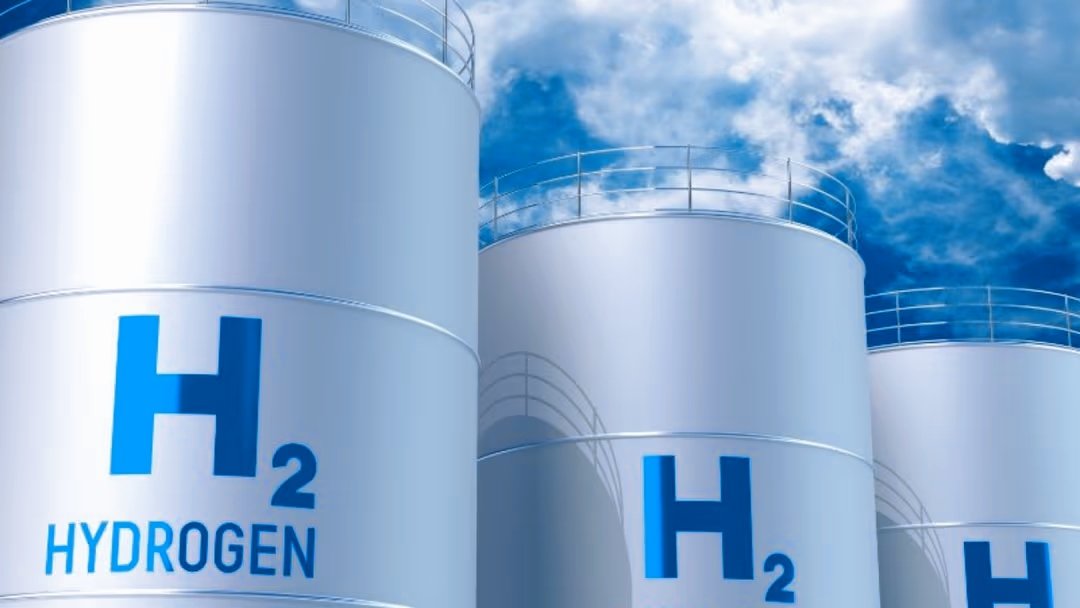
Following the introduction of the Renewable Energy Policy and the Pump Storage Policy last year, Bihar is now preparing a dedicated Green Hydrogen Policy to promote clean hydrogen production and support future low-carbon industries.
The state is also exploring a Green Open Access Policy, which would make it easier for businesses and industries to procure renewable electricity directly from clean energy producers.
Yadav emphasized that the Energy Department remains committed to providing clean, reliable, and uninterrupted electricity while encouraging greater collaboration between policymakers and private industry.
Electricity Access Reaches New Milestones
Rahul Kumar, IAS, Managing Director of BREDA and North Bihar Power Distribution Company Limited (NBPDCL), said Bihar’s electricity demand has increased nearly thirteen-fold over the past fifteen years.
He noted that, according to NFMS data:
- Rural areas now receive more than 22 hours of electricity each day.
- Urban areas receive over 24 hours of uninterrupted power supply daily.
Kumar added that Bihar has become largely self-sufficient in power availability, with approximately 89%–90% of electricity consumers belonging to the domestic sector.
He also announced that NBPDCL has recently been ranked among the Top Five electricity distribution companies (DISCOMs) in India’s National DISCOM Consumer Service Rating, highlighting major improvements in customer service and operational performance.
Major Solar and Energy Storage Projects Planned
Vishal Raj, IAS, Managing Director of Bihar State Power Generation Company Limited (BSPGCL), said Bihar possesses significant untapped potential for expanding renewable energy generation.
The government is prioritizing several innovative solar initiatives, including:
- Canal-top solar power projects
- Canal-bank solar installations
- Feeder solarization projects
- Large-scale battery energy storage systems
He noted that Bihar’s strong connectivity to the 400-kilovolt (kV) national transmission grid ensures reliable power transmission and supports future renewable energy integration.
PM-KUSUM to Boost Farmers’ Income
Raj said the accelerated implementation of the PM-KUSUM program will provide multiple economic and environmental benefits, including:
- Higher farm incomes
- Reduced dependence on diesel-powered irrigation pumps
- Lower greenhouse gas emissions
- Reduced electricity subsidy burden on the state government
He added that approvals have already been granted for several canal-bank solar projects, while additional renewable energy projects are currently under implementation.
Strengthening Power Infrastructure
To meet future electricity demand, Bihar is investing heavily in its transmission and distribution network by expanding:
- Grid substations
- Power transformers
- Transmission infrastructure
The state is also advancing work on pump storage hydroelectric projects and nuclear power initiatives, further diversifying its long-term energy portfolio.
Roadmap for Sustainable Data Centers
During the summit, officials also released a report titled “Sustainable Data Centre Policy for Bihar.” The report outlines policy recommendations and a strategic roadmap aimed at attracting environmentally sustainable data center investments while promoting energy-efficient digital infrastructure.
Key Highlights
- Bihar is expanding its clean energy strategy with a strong focus on solar power, energy storage, and green hydrogen.
- Peak electricity demand has increased from approximately 1,800 MW to nearly 9,000 MW over the past decade.
- The state is preparing a comprehensive Green Hydrogen Policy and considering a Green Open Access Policy.
- Major renewable energy initiatives are being implemented under the PM Surya Ghar and PM-KUSUM programs.
- Rural households now receive more than 22 hours of electricity daily, while urban areas receive over 24 hours of supply.
- NBPDCL has been ranked among India’s Top Five DISCOMs for consumer service.
- Bihar plans significant investments in canal-top solar, canal-bank solar, feeder solarization, battery storage, pump storage, and nuclear energy projects.
- A new Sustainable Data Centre Policy roadmap has been unveiled to promote green digital infrastructure and sustainable economic growth.