

At least 30 miners have died after part of a traditional gold mine collapsed in western Central African Republic, while rescue teams continue searching for people feared trapped under the rubble.
Bangui: At least 30 miners were killed after a section of a gold mine collapsed in the western part of the Central African Republic (CAR) on Tuesday. Several other miners are feared to remain trapped under the debris, prompting a rescue operation at the site.
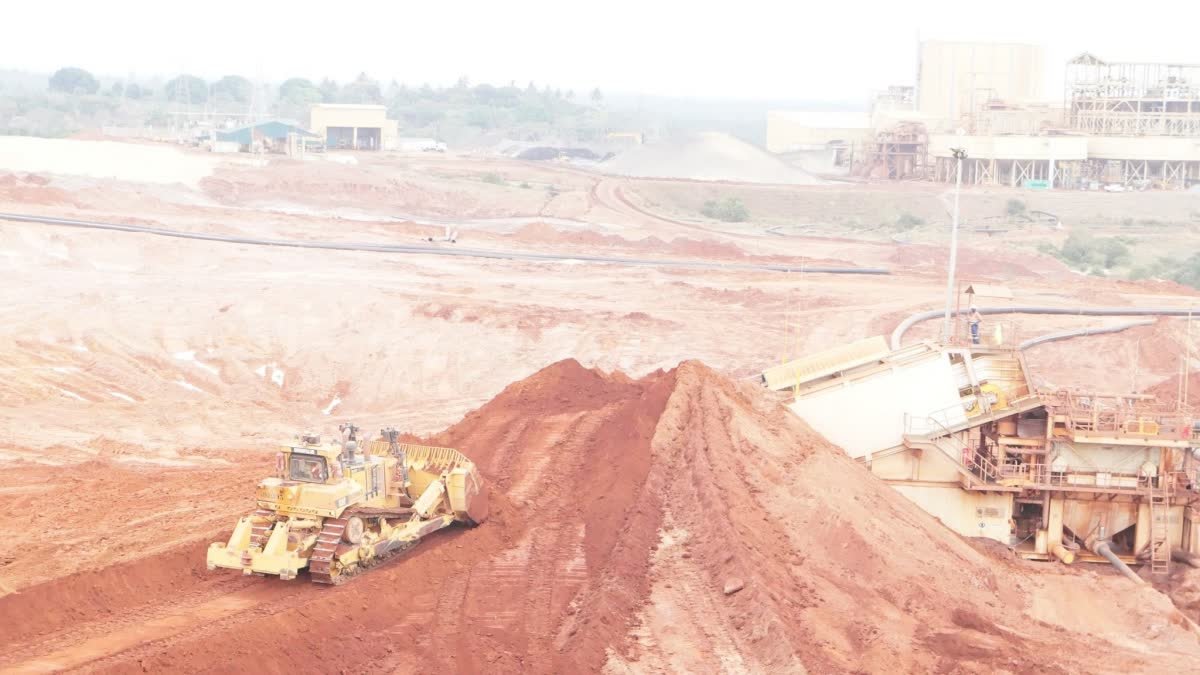
The accident occurred in the Abba area of Nana-Mambéré prefecture, where the mine was reportedly being operated using traditional, low-technology mining methods.
Mine Collapsed During Morning Operations
According to Florian Gaguende, one of the miners who survived the accident, the mine collapsed on Tuesday morning.
Following the collapse, rescue workers and local residents rushed to the site to search for miners who may have been trapped underground. Officials said the chances of finding survivors could diminish as the rescue operation continues, given the conditions inside the collapsed mine.
30 Bodies Recovered
Souleymane B, the deputy mayor of the sub-prefecture, said rescue workers and local residents managed to recover 30 bodies from the collapsed mine after several hours of work.
Several injured miners were also rescued and provided with medical treatment.
Describing the situation as extremely distressing, Souleymane B appealed to organisations and members of the public willing to help to support the ongoing rescue efforts and assist in removing people who remain trapped inside the pit.
Rescue Operation Underway
The collapse triggered a large-scale search and rescue effort involving local residents, miners and emergency personnel.
Footage from the scene showed chaotic conditions as rescuers worked through mud and debris. Several young male and female miners could be seen helping recover bodies from the collapsed section of the mine.
Other miners and workers were scattered around the large site, while some injured people were reportedly calling for assistance.
Rescue teams continued searching the debris for anyone who may have survived the collapse.
Government Expresses Condolences
Government spokesperson Evariste Ngamana expressed condolences to the families of those who lost their lives in the disaster.
He said authorities were working to provide relief and assistance to those affected by the accident.
The government is also expected to assess the circumstances surrounding the collapse as rescue and relief operations continue.
Artisanal Mining Poses Major Safety Risks
The Central African Republic has a large artisanal mining sector, with thousands of people involved in small-scale and traditional mining activities.
However, artisanal mining can be extremely dangerous because miners often work without adequate protective equipment, modern machinery or proper structural safeguards.
Mine collapses are a recurring hazard in such operations, particularly where pits are dug manually and adequate measures are not taken to reinforce the surrounding soil and rock.
The lack of formal safety infrastructure can make rescue operations particularly difficult when a collapse occurs.
Families Await News of Missing Miners
As rescue teams continue their search, families and fellow miners remain at the site awaiting information about those who may still be trapped underground.
The recovery of 30 bodies has highlighted the scale of the disaster, while authorities continue efforts to determine whether additional victims remain beneath the rubble.
Key Highlights
- Location: Abba area, Nana-Mambéré prefecture, western Central African Republic
- Incident: Gold mine collapse
- Deaths: At least 30 miners
- Others: Several people feared trapped
- Rescue: Search and recovery operation underway
- Mining method: Traditional/artisanal, low-technology mining
- Government response: Relief and assistance being provided to affected people
- Major concern: Lack of adequate safety measures in artisanal mining operations
The tragedy once again highlights the serious safety risks faced by workers in artisanal mining across the Central African Republic, where inadequate equipment and unstable mine structures can turn routine mining activities into deadly disasters.