

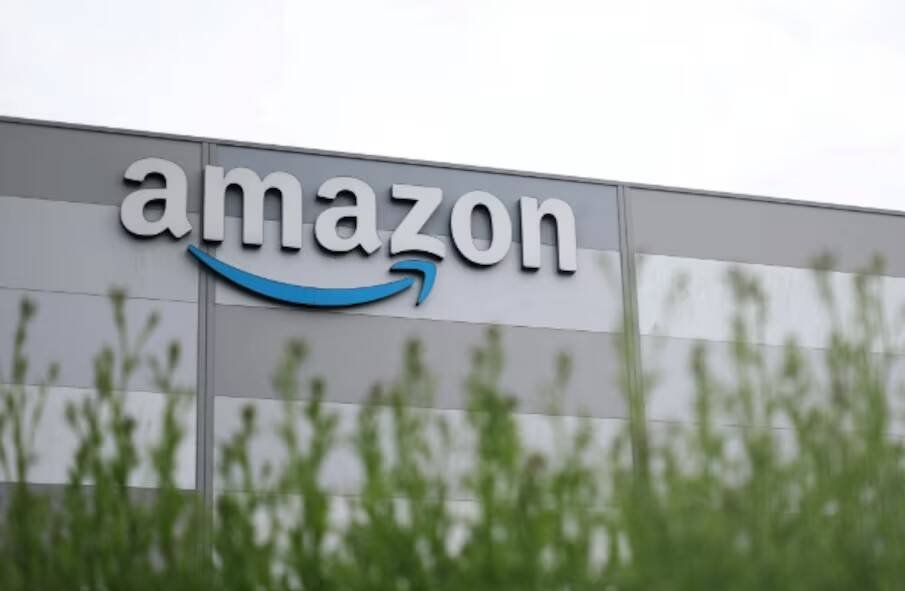
Seattle / Washington |Amazon is facing a consumer lawsuit over allegations that the company failed to reimburse customers for extra costs linked to tariffs imposed during the administration of U.S. President Donald Trump — tariffs that were later ruled illegal by the Supreme Court of the United States.
The lawsuit claims Amazon passed higher import-related costs on to consumers when the tariffs were in effect but did not issue refunds after the tariffs were invalidated by the court earlier this year.
According to the legal complaint, the company also allegedly chose not to seek reimbursement from the federal government because it “seeks to curry favour with Trump,” a politically charged accusation that has intensified attention around the case.
Background of the Tariff Dispute
The tariffs in question were part of a broader trade strategy introduced during the Trump administration, targeting imported goods from several countries, particularly China. Businesses importing products into the United States faced higher costs, many of which were ultimately passed along to consumers through increased retail prices.
In February 2026, the Supreme Court of the United States reportedly struck down the tariffs, ruling that the measures exceeded legal authority under the trade laws used to justify them.
Following the ruling, questions emerged over whether companies that had collected higher payments from customers due to the tariffs should return some of those funds.
Consumers Demand Compensation
The lawsuit alleges that Amazon continued benefiting from tariff-related price increases even after the legal basis for the tariffs was overturned.
Plaintiffs argue that consumers unfairly absorbed additional costs on a wide range of imported goods sold through Amazon’s platform and should now receive refunds or compensation.
The complaint reportedly accuses the company of prioritizing political and business considerations over consumer interests by failing to pursue refunds from the federal government.
Political Allegations Add to Controversy
One of the most controversial aspects of the lawsuit is the allegation that Amazon avoided seeking reimbursement because it wanted to maintain favorable relations with Donald Trump.
The accusation introduces a political dimension into what would otherwise be a commercial and legal dispute over tariffs and consumer pricing.
Neither Amazon nor representatives connected to Trump have publicly commented in detail on the allegations at the time of reporting.
Legal and Financial Implications
Legal experts say the case could have broader implications for large retailers and import-dependent businesses that adjusted prices during periods of tariff enforcement.
If the lawsuit succeeds, companies may face pressure to explain how tariff-related costs were calculated, passed on to consumers, and handled after court rulings invalidated the measures.
The case could also spark similar legal actions against other corporations that benefited financially from tariff-driven price increases.
Amazon Under Growing Scrutiny
Amazon has faced increasing legal and regulatory scrutiny in recent years over issues involving pricing practices, competition, labor policies, taxes, and market dominance.
This latest lawsuit adds another layer of legal pressure on the e-commerce giant, which remains one of the world’s most influential technology and retail companies.
Analysts say the outcome of the case may influence future debates about corporate responsibility, consumer rights, and how businesses handle government-imposed trade costs.
As the legal battle unfolds, the dispute is expected to draw close attention from consumer advocacy groups, retailers, trade experts, and political observers across the United States.