


Adani Enterprises has agreed to pay nearly $275 million (around ₹2,647 crore) to the United States Department of the Treasury to resolve allegations related to violations of American sanctions imposed on Iran, according to officials familiar with the matter.
The settlement comes after US authorities investigated multiple shipments of liquefied petroleum gas (LPG) that were allegedly imported through intermediaries while concealing their Iranian origin. The case marks one of the most significant sanctions-related settlements involving an Indian corporate entity in recent years.
Under the agreement, the company neither admitted nor denied wrongdoing but chose to settle the matter to avoid prolonged legal and regulatory proceedings.
What The US Authorities Alleged
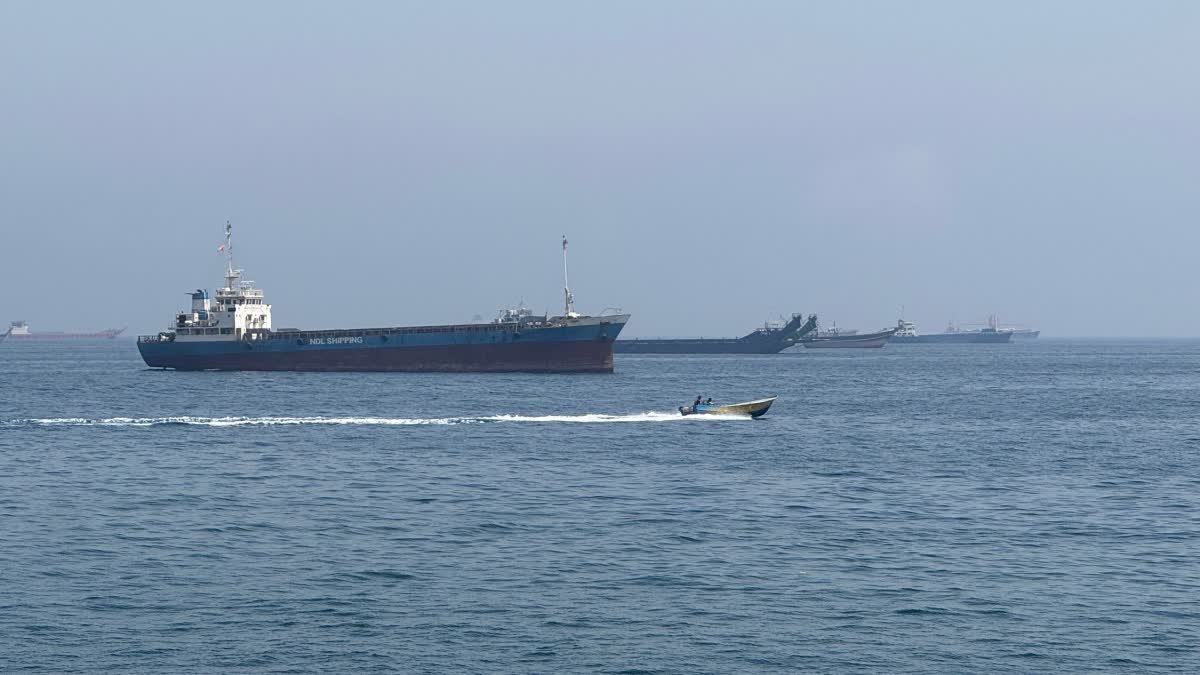
According to the US Treasury Department, Adani Enterprises allegedly engaged in 32 transactions involving LPG cargoes that originated from Iran but were routed through a Dubai-based trading firm. American investigators claimed the shipments were structured in a way that obscured the actual source of the fuel.
The United States maintains strict economic sanctions against Iran, particularly targeting the country’s oil, gas, and petrochemical sectors. Companies worldwide can face penalties if they are found to have knowingly participated in transactions involving sanctioned Iranian products.
Officials stated that the alleged transactions occurred over several years and involved complex international supply-chain arrangements.
Adani Group Previously Denied Allegations
In 2025, the broader Adani Group had publicly dismissed reports related to the investigation, calling the accusations “baseless” and maintaining that its operations complied with applicable international trade regulations.
However, the latest settlement suggests that both sides opted for a negotiated resolution instead of pursuing a lengthy courtroom battle.
Industry experts say settlements of this nature are common in sanctions enforcement cases, especially when companies seek to avoid uncertainty that could impact investors, lenders, and global business partnerships.
Impact On Business Operations
Despite the large financial payout, analysts believe the settlement is unlikely to significantly disrupt Adani Enterprises’ core operations. The company remains one of India’s largest infrastructure and energy-focused conglomerates, with interests spanning ports, airports, logistics, mining, renewable energy, and commodities trading.
Market observers noted that resolving the matter could help remove a major regulatory overhang hanging over the company’s international operations.
The case also highlights increasing scrutiny by US regulators on global commodity trading networks and supply chains linked to sanctioned nations such as Iran.
Broader Global Implications
The settlement serves as a reminder that non-US companies can still face American penalties if transactions involve the US financial system, dollar-denominated payments, or entities operating under US jurisdiction.
Experts believe multinational corporations may now increase due diligence checks on suppliers and intermediaries to avoid exposure to sanctions-related risks.
The development is being closely watched by international investors and energy traders, particularly in Asia and the Middle East, where cross-border LPG and crude oil transactions often involve multiple intermediaries and trading hubs.