


New Delhi: The Government of India has officially launched the Viksit Bharat – Rozgar Evam Aajeevika Mission (Gramin), popularly known as the “Viksit Bharat G-RAM G” Scheme, across the country from July 1, 2026. The flagship rural development initiative is designed to strengthen employment opportunities, livelihood generation, and village infrastructure, while supporting the vision of Viksit Bharat 2047.
The scheme aims to empower rural communities by creating sustainable employment, improving local infrastructure, and promoting long-term economic growth in villages across India.
125 Days of Guaranteed Employment
A key feature of the new scheme is the guarantee of up to 125 days of wage employment per year for eligible rural households based on demand. The government has also introduced a provision for unemployment allowance if work is not provided within the stipulated period.
Workers will receive their wages within 15 days, ensuring timely payments through a transparent digital payment system.
Focus on Sustainable Rural Development
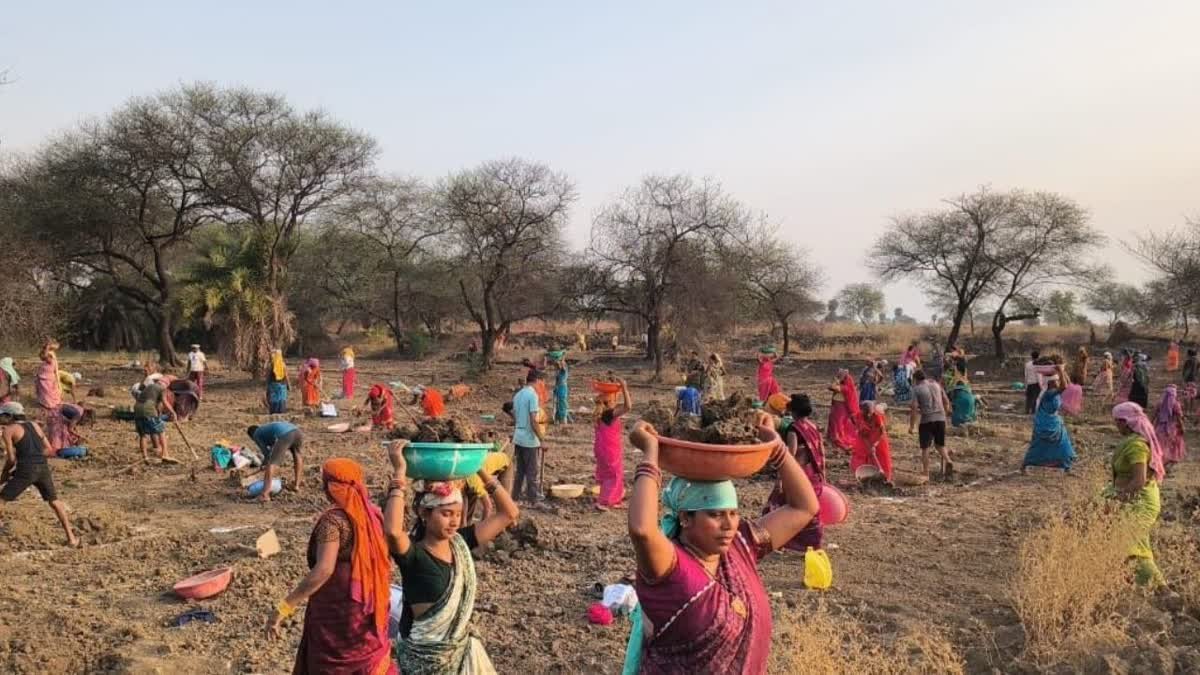
The Viksit Bharat G-RAM G Scheme prioritizes projects that create durable community assets and improve rural livelihoods. The approved works include:
- Water conservation and watershed development
- Irrigation projects
- Rural roads and infrastructure
- Afforestation and environmental conservation
- Natural resource management
- Agriculture-related activities
- Livelihood enhancement initiatives
The government has included 318 categories of development works under the scheme to support the comprehensive development of rural areas.
₹4,000 Crore Allocated in Chhattisgarh Budget
To ensure effective implementation, the Government of Chhattisgarh has allocated ₹4,000 crore in its 2026–27 State Budget for the execution of the scheme across the state.
The funding will support employment generation, infrastructure projects, and community development initiatives in rural districts.
Official Launch by Shivraj Singh Chouhan
The national launch event will be held on July 2, 2026, from Tirupati, Andhra Pradesh, where Union Minister for Rural Development Shivraj Singh Chouhan will formally inaugurate the program and interact virtually with representatives from various states.
In Chhattisgarh, the state-level event will take place at Gram Panchayat Gandaikhurd in Bodla Block of Kabirdham district. Deputy Chief Minister Vijay Sharma will participate in the program through video conferencing and engage with local villagers.
Digital Governance and Stronger Role for Gram Sabhas
The new scheme places significant emphasis on technology-driven governance and community participation.
Key reforms include:
- Digital Job Cards
- Technology-based work management system
- Time-bound and transparent wage payments
- Digital monitoring and social audits
- Enhanced role of Gram Sabhas in planning and approving development projects
Under the scheme, Gram Sabhas will prepare village development plans based on local priorities, ensuring that projects address the specific needs of each community.
Boosting Rural Economy
The government believes the Viksit Bharat G-RAM G Scheme will strengthen the rural economy, create sustainable employment opportunities, improve public infrastructure, and promote self-reliance in villages. The initiative is expected to contribute significantly toward achieving the national vision of a developed India by 2047.
Key Highlights
- Viksit Bharat G-RAM G Scheme comes into effect across India from July 1, 2026.
- Eligible rural households will receive up to 125 days of guaranteed employment annually.
- Wages will be paid within 15 days, with unemployment allowance available if work is not provided.
- The scheme includes 318 categories of development projects, focusing on water conservation, rural infrastructure, agriculture, afforestation, and natural resource management.
- Chhattisgarh has allocated ₹4,000 crore in its 2026–27 Budget for implementation.
- Union Rural Development Minister Shivraj Singh Chouhan will officially launch the program from Tirupati on July 2, 2026.
- The scheme introduces Digital Job Cards, transparent payment systems, social audits, and a stronger role for Gram Sabhas in local development planning.
- The initiative supports the Government’s vision of building a self-reliant rural economy and achieving the goal of Viksit Bharat 2047.