

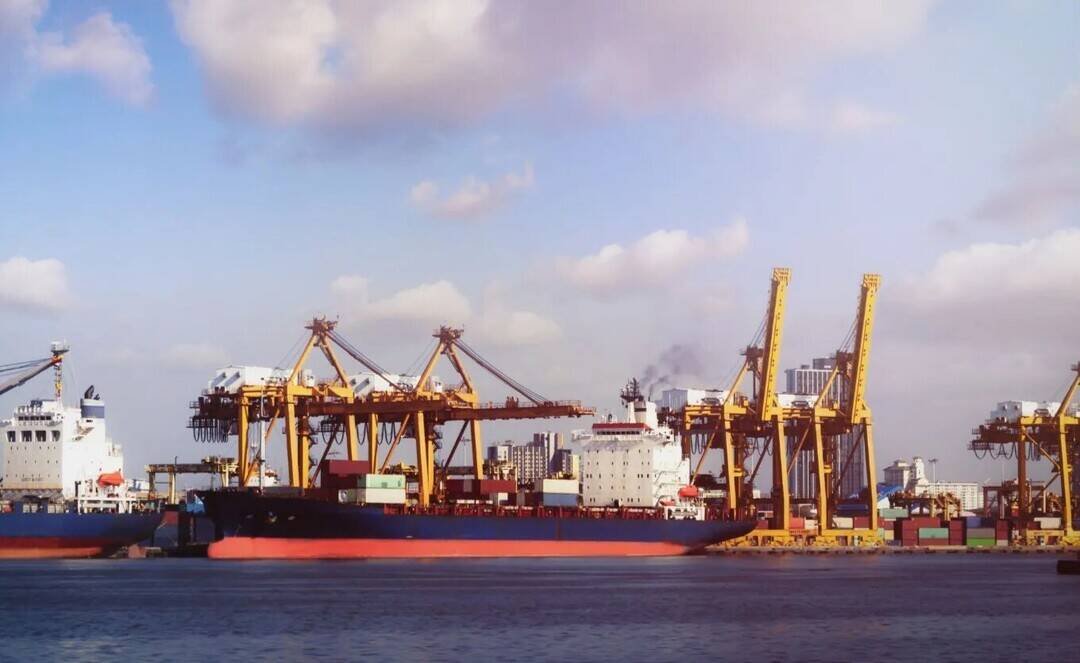

Beijing: China is accelerating its investment in the Middle Corridor, a rapidly emerging Asia–Europe trade route designed to reduce reliance on traditional shipping and rail networks that pass through Russia and conflict-affected parts of the Middle East. The initiative reflects Beijing’s broader strategy to strengthen supply chain resilience, improve trade connectivity, and secure alternative transportation links for global commerce.
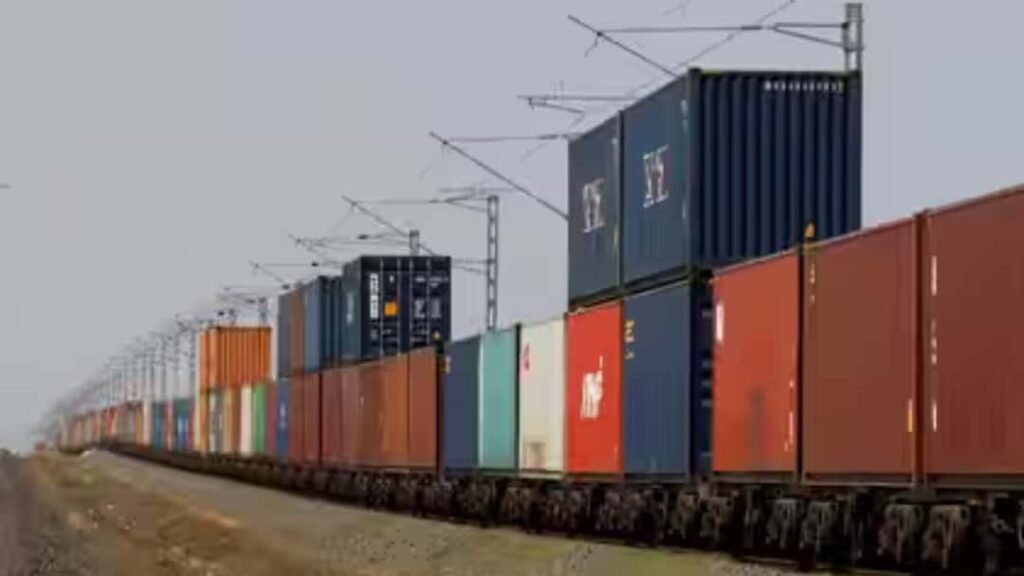
The Middle Corridor, officially known as the Trans-Caspian International Transport Route (TITR), connects China with Europe through Kazakhstan, the Caspian Sea, Azerbaijan, Georgia, and Turkey before reaching European markets. The route combines rail, sea, and road transportation, offering an alternative to the northern route through Russia.
China has significantly increased its financial and infrastructure support along this corridor. According to available reports, Beijing has provided approximately $70 million to support the expansion of Azerbaijan’s Port of Baku, a critical logistics hub on the Caspian Sea. The investment is expected to improve cargo handling capacity, reduce transit times, and strengthen regional trade operations.
Chinese companies have also played a major role in developing Kazakhstan’s Aktau Port, another strategic gateway on the Caspian coast. Upgrades to the port are aimed at increasing freight capacity and improving connectivity between Central Asia and Europe.
The growing importance of the Middle Corridor comes as global businesses seek more reliable trade routes amid geopolitical tensions. Western sanctions on Russia following the Ukraine conflict and ongoing security concerns in parts of the Middle East have disrupted traditional transport networks, encouraging governments and businesses to diversify supply chains.
Experts say the corridor could significantly reduce dependence on Russian transit routes while creating new economic opportunities for countries along the network. Increased investment in railways, ports, customs modernization, and logistics infrastructure is expected to improve the corridor’s efficiency and attract more international cargo.
For China, the project also complements its broader Belt and Road Initiative (BRI) by expanding trade links across Central Asia, the South Caucasus, and Europe. Strengthening the Middle Corridor allows Beijing to maintain stable export routes while deepening economic partnerships with participating countries.
Although challenges remain—including border coordination, varying railway standards, and the need for additional infrastructure—the Middle Corridor is increasingly being viewed as one of the most strategically important trade routes connecting Asia and Europe in the coming years.
As geopolitical uncertainties continue to reshape global trade, China’s growing investment in the Middle Corridor highlights its long-term effort to build a more diversified, secure, and resilient international transportation network.