
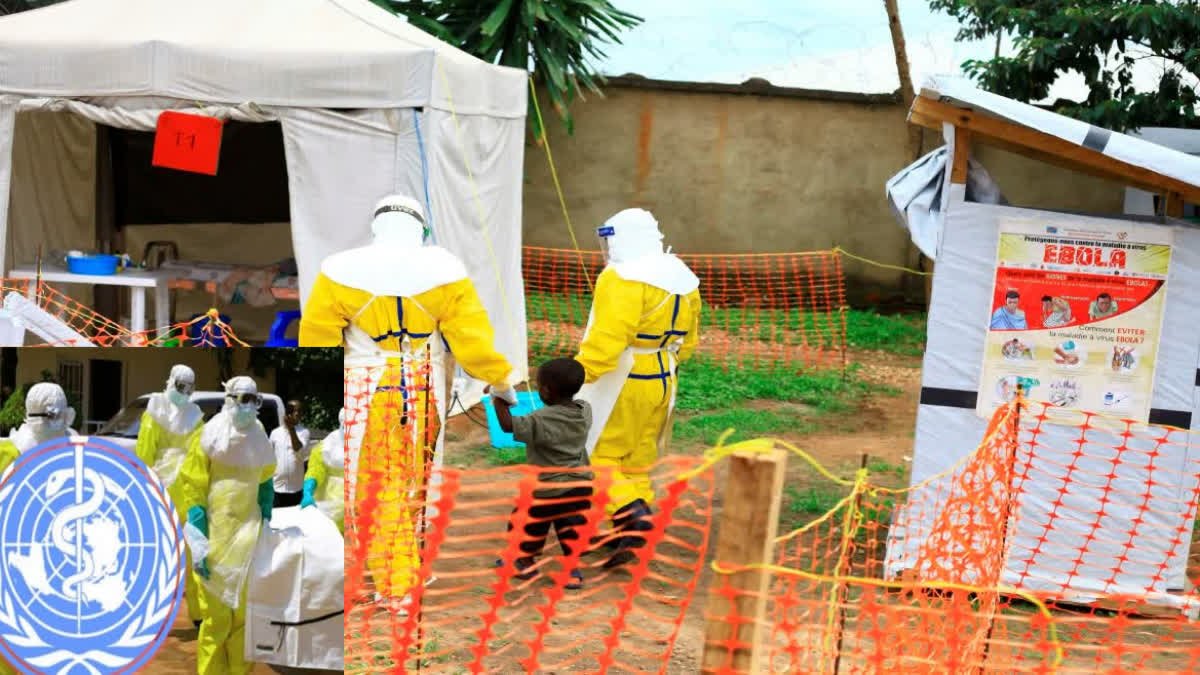
New Delhi / Geneva: The World Health Organization has declared the ongoing Ebola outbreak in the Democratic Republic of the Congo and Uganda a “Public Health Emergency of International Concern” (PHEIC), following the rapid spread of the rare Bundibugyo strain of the deadly virus.
According to health officials, at least 131 people have died and more than 500 suspected infections have been reported in eastern Congo, raising fears of a wider regional health crisis. The emergency declaration is intended to strengthen international coordination, speed up medical response efforts, and increase surveillance in vulnerable countries.
However, WHO clarified that the current Ebola outbreak does not meet the criteria of a COVID-19-style global pandemic and stressed that there is no scientific basis for closing international borders at this stage.
Rare Bundibugyo Strain Behind the Outbreak
The current outbreak is linked to the rare Bundibugyo strain of the Ebola virus, one of the less common but highly dangerous forms of the disease.
Congo’s Public Health Minister Samuel Roger Kamba said authorities have recorded 513 suspected cases and 131 deaths in affected regions. Several of the deaths are still under investigation as suspected Ebola fatalities.
Medical experts say the Bundibugyo strain is particularly concerning because there is currently no approved vaccine or targeted treatment specifically designed for it.
What Is Ebola?
Ebola virus disease is a severe and often fatal viral hemorrhagic fever that damages blood vessels and causes internal bleeding and organ failure in many patients.
Unlike COVID-19 or influenza, Ebola is not primarily airborne. It spreads through direct contact with bodily fluids of infected individuals, including:
- Blood
- Saliva
- Sweat
- Vomit
- Urine
- Semen
- Breast milk
- Fecal matter
The virus can also spread through contaminated clothing, bedding, needles, medical equipment, and during burial rituals involving infected bodies.
Health officials emphasize that although Ebola is far less contagious than COVID-19, it has a significantly higher fatality rate.
WHO Says No Need for Border Closures
In a statement posted on social media platform X, WHO said the emergency declaration is intended to mobilize global resources and improve international preparedness rather than trigger panic.
The organization advised countries to strengthen:
- Airport screening systems
- Disease surveillance
- Isolation facilities
- Emergency medical response teams
- Laboratory testing capacity
At the same time, WHO warned against unnecessary travel restrictions or border closures, saying such measures are not scientifically justified under current conditions.
India Monitoring Situation Closely
Indian health authorities are closely monitoring developments after the WHO emergency declaration.
According to officials, the Indian government recently conducted a high-level review meeting to assess preparedness measures in case of any future threat linked to Ebola.
So far, no Ebola case has been reported in India.
Medical Officer Dr. Abhayanand said the WHO declaration was a timely and necessary step aimed at improving global preparedness and accelerating scientific collaboration.
He explained that modern international travel allows infectious diseases to spread rapidly across borders, making early warning systems critically important.
However, he stressed that there is currently no reason for public panic in India.
“Ebola is not spreading like COVID-19. It requires direct contact with infected bodily fluids. This emergency declaration is more of an early warning system to stop the outbreak before it expands further,” he said.
Why Experts Are Concerned
Health experts say the outbreak is alarming for several reasons:
No Approved Vaccine for Bundibugyo Strain
While vaccines exist for the Zaire strain of Ebola, no WHO-approved vaccine currently protects against the Bundibugyo variant responsible for the current outbreak.
High Mortality Rate
Ebola infections can rapidly become life-threatening, especially when healthcare systems are overwhelmed or cases are detected late.
Risk of Cross-Border Spread
The outbreak has already affected multiple regions in Central and East Africa, increasing concerns about cross-border transmission through travel and trade.
Pressure on Fragile Health Systems
Many affected regions already face limited healthcare infrastructure, making outbreak control more difficult.
Different Types of Ebola Virus
According to medical experts, there are several Ebola virus species known to infect humans, including:
- Zaire ebolavirus
- Sudan ebolavirus
- Bundibugyo ebolavirus
- Taï Forest ebolavirus
The current outbreak involves the Bundibugyo strain, which remains comparatively rare but dangerous.
The virus is believed to originate in animals such as:
- Fruit bats
- Primates
- Monkeys
- Wild deer
- Pigs
Human infection can occur through contact with infected animals or contaminated meat.
Symptoms of Ebola
Common symptoms include:
- High fever
- Severe weakness
- Muscle pain
- Vomiting
- Diarrhea
- Internal and external bleeding
- Organ failure in severe cases
The disease can progress rapidly, especially without early medical intervention.
Preventive Measures Recommended by Experts
Health authorities are advising people to avoid direct contact with bodily fluids and contaminated materials associated with infected individuals.
Experts also recommend avoiding contact with:
- Blood or body fluids of suspected patients
- Used medical equipment
- Contaminated clothing or bedding
- Wild animals or raw bush meat
- Bodies of suspected Ebola victims during funerals
Medical professionals emphasize strict hygiene practices and early reporting of symptoms after travel to affected regions.
Global Response Intensifies
The WHO emergency declaration is expected to unlock additional international funding, technical assistance, laboratory support, and deployment of medical teams to affected areas.
Organizations including the Africa Centres for Disease Control and Prevention are coordinating with local governments and international partners to contain the outbreak.
Scientists are also accelerating research into vaccines and treatments for the Bundibugyo strain.
No Immediate Pandemic Threat, But Vigilance Needed
While experts stress that Ebola does not currently pose a COVID-19-level global pandemic threat, the outbreak is being treated with extreme seriousness because of its high fatality rate and lack of approved treatment options for the circulating strain.
Public health officials worldwide are urging vigilance, rapid detection, and international cooperation to prevent the outbreak from escalating further.