
New Delhi |The government of India has announced new restrictions on silver imports as part of a broader effort to reduce pressure on the country’s trade deficit and control the sharp rise in precious metal shipments entering the country.
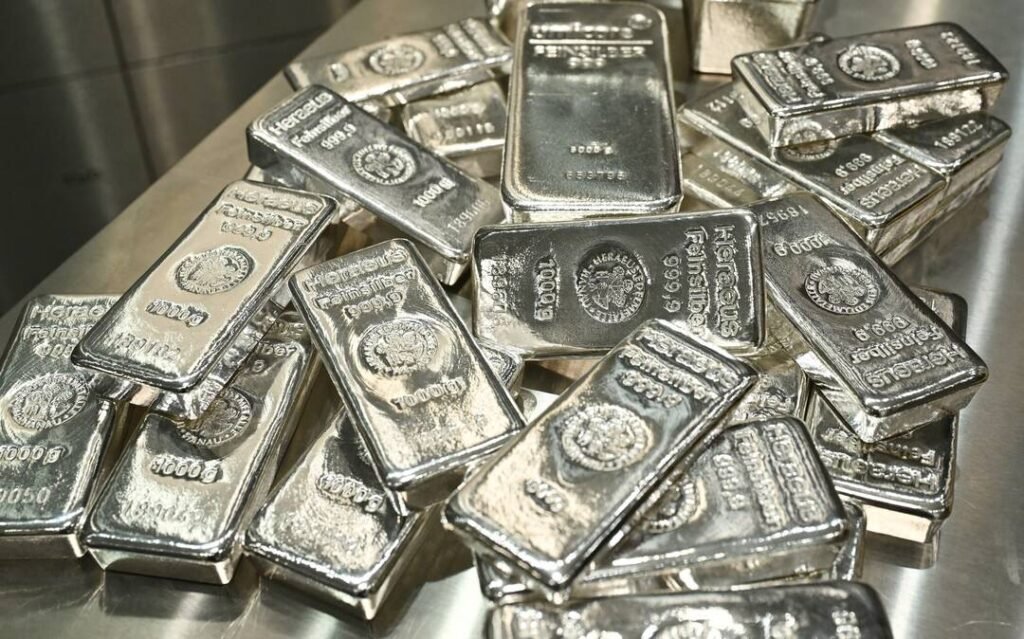
Under the revised import policy, the import of silver bars containing 99.9% or more purity by weight has now been placed under the “restricted” category, meaning importers will require additional approvals or licenses from authorities before bringing such products into India.
The move reflects growing concern within the government over the surge in imports of gold and silver, which officials fear could widen the country’s trade imbalance and increase pressure on foreign exchange reserves.
Government Tightens Precious Metal Import Policy
Officials said the decision is part of a wider policy strategy aimed at regulating non-essential imports and improving overall trade management.
India is one of the world’s largest consumers of precious metals, with gold and silver playing major roles in:
- Jewelry manufacturing
- Investment demand
- Religious and cultural purchases
- Industrial applications
However, heavy imports of precious metals can significantly impact the country’s current account balance because most gold and silver are purchased from international markets using foreign currency.
Surge in Imports Raises Economic Concerns
The latest restrictions come after a sharp increase in inbound shipments of silver and gold over recent months.
Economists say rising imports of precious metals can contribute to:
- A widening trade deficit
- Pressure on the Indian rupee
- Higher outflow of foreign exchange
- Increased dependence on global commodity markets
India’s trade deficit — the gap between imports and exports — has remained a closely watched economic indicator, especially amid fluctuating global commodity prices and currency volatility.
Impact on Bullion and Jewelry Industry
The decision is expected to affect bullion traders, jewelry manufacturers, and import businesses dealing in high-purity silver products.
Industry experts say the restrictions could:
- Increase compliance requirements for importers
- Raise domestic silver prices
- Affect supply chains for jewelers and industrial users
- Encourage tighter monitoring of precious metal trade
Some market participants have expressed concern that stricter import rules may create short-term supply disruptions, while others believe the measures could help stabilize the country’s external trade position.
Part of Broader Economic Strategy
The restrictions align with the Indian government’s ongoing efforts to strengthen domestic manufacturing, manage import dependency, and improve macroeconomic stability.
Authorities have previously introduced similar measures involving gold imports, customs duties, and trade monitoring to reduce excessive reliance on imported precious metals.
Financial analysts note that governments often tighten import regulations during periods of elevated trade deficits or foreign exchange pressure.
Global Market Reaction
International commodity traders and bullion markets are closely monitoring the development because India remains one of the largest global buyers of silver and gold.
Any significant shift in Indian demand can influence global precious metal prices and international trading patterns.
The policy announcement also comes at a time when investors worldwide are increasingly turning to precious metals as safe-haven assets amid economic uncertainty and market volatility.
What Happens Next
Importers dealing with high-purity silver bars will now need to comply with stricter approval procedures under the revised rules.
Government agencies are expected to issue additional operational guidelines regarding licensing, customs procedures, and compliance requirements in the coming weeks.
As India moves to manage its growing import bill, the new silver restrictions highlight the government’s broader effort to balance economic growth with financial stability and trade discipline.