

New Delhi, India |The Indian government has revised its windfall tax structure on fuel exports, imposing a new Special Additional Excise Duty (SAED) of ₹3 per litre on petrol exports, while simultaneously reducing duties on diesel and aviation turbine fuel (ATF).
The revised tax rates came into effect on May 16, 2026, according to an official government notification issued by the Ministry of Finance.
The move is part of India’s ongoing policy mechanism to regulate profits earned by fuel exporters amid fluctuations in global crude oil prices and international refining margins.
Key Changes in Fuel Export Duties
Under the revised structure:
- Petrol exports:
New SAED imposed at ₹3 per litre - Diesel exports:
Duty reduced from ₹23 per litre to ₹16.5 per litre - Aviation Turbine Fuel (ATF) exports:
Duty cut from ₹33 per litre to ₹16 per litre
The government reviews these taxes periodically based on international energy market conditions, refining margins, and crude oil price movements.
Why the Government Imposed the Duty
India introduced windfall taxes on fuel exports in 2022 after energy companies reported exceptionally high profits due to surging global crude prices following geopolitical disruptions and supply chain instability.
The taxes are designed to:
- Capture excess profits earned by refiners
- Ensure domestic fuel availability
- Stabilize retail fuel markets
- Protect government revenue during volatile energy cycles
Officials monitor global crack spreads — the difference between crude oil prices and refined fuel prices — before deciding whether to increase or reduce export duties.
Petrol Export Duty Reintroduced
The imposition of a ₹3 per litre duty on petrol exports suggests that refining margins for gasoline have improved enough to justify renewed taxation.
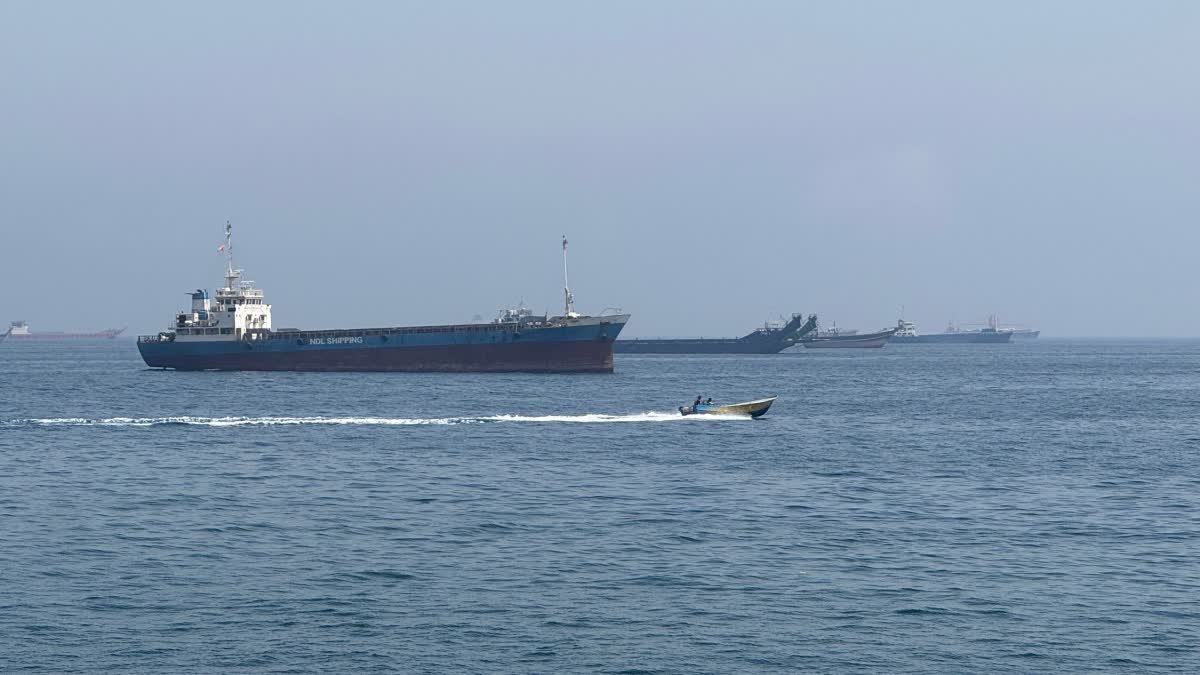
Industry analysts say the move may modestly impact the export profitability of Indian refiners, particularly companies shipping gasoline to Asian, African, and Middle Eastern markets.
India is one of Asia’s largest fuel exporters, with major refiners including:
- Indian Oil Corporation
- Reliance Industries
- Bharat Petroleum Corporation Limited
- Hindustan Petroleum Corporation Limited
These companies export refined petroleum products to several international markets.
Relief for Diesel and Aviation Fuel Exporters
While petrol exporters face a fresh levy, the government significantly reduced duties on diesel and ATF exports.
Diesel Duty Reduced
The SAED on diesel exports was lowered by ₹6.5 per litre, bringing the rate down to ₹16.5 per litre.
Diesel remains one of India’s most important refined export products, widely shipped to Europe, Africa, and neighboring Asian markets.
Lower duties are expected to improve export competitiveness for Indian refiners amid changing global demand patterns.
ATF Duty Slashed by More Than 50%
The tax on aviation turbine fuel exports saw the steepest reduction, dropping from ₹33 per litre to ₹16 per litre.
ATF demand has remained sensitive to international airline recovery trends, geopolitical developments, and global travel demand.
The reduction may provide some relief to exporters serving international aviation markets.
Impact on Oil Companies and Markets
Energy market experts believe the revised tax structure reflects the government’s balancing approach between:
- Maintaining domestic energy security
- Preventing excessive windfall gains
- Supporting export competitiveness
- Managing inflationary pressures
The revised duties are likely to influence refinery margins and export economics in the short term.
Shares of major oil marketing and refining companies are expected to remain closely watched by investors following the announcement.
India’s Windfall Tax Framework
India adjusts SAED rates every two weeks based on:
- Global crude oil prices
- Refining margins
- Product export profitability
- International demand trends
The taxation mechanism applies primarily to domestically produced crude oil and exports of refined petroleum products.
The government has frequently altered rates since introducing the framework, sometimes reducing duties to zero when global margins weaken.
Global Energy Context
The latest revisions come amid continued volatility in international oil markets driven by:
- OPEC+ production decisions
- Geopolitical tensions
- Global economic uncertainty
- Fluctuations in fuel demand
- Shipping and supply disruptions
India, the world’s third-largest oil importer and consumer, remains highly sensitive to international energy price movements.
Officials are expected to continue monitoring market conditions closely before the next review of export duties.