
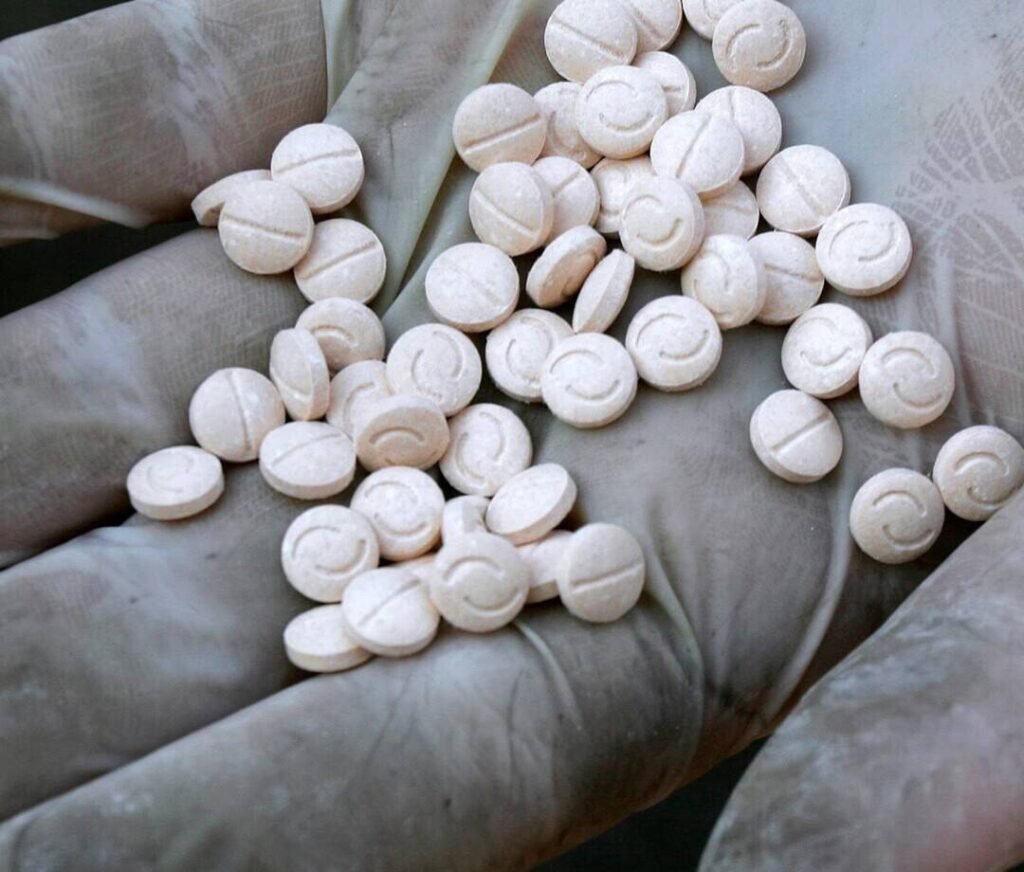
New Delhi, India | In a major breakthrough against international narcotics trafficking, Indian authorities have carried out the country’s first-ever seizure of Captagon, a highly controversial amphetamine-based stimulant commonly referred to as the “Jihadi Drug,” Union Home Minister Amit Shah announced on Saturday.
The seizure, valued at approximately ₹182 crore (around $22 million), was made under a coordinated anti-drug crackdown named “Operation Ragepill.” Authorities also confirmed the arrest of a foreign national allegedly linked to the transnational smuggling network.
Amit Shah Praises Agencies for Major Breakthrough
Sharing details of the operation, Home Minister Amit Shah said the successful interception demonstrates India’s strong commitment to a zero-tolerance policy against narcotics and organized crime.
In a statement posted publicly, Shah said:
“Indian agencies have achieved the first-ever seizure of Captagon, the so-called Jihadi Drug, worth ₹182 crore through Operation Ragepill.”
He further added:
“Busting of the drug consignment destined for the Middle East and the arrest of a foreign national stand out as shining examples of our commitment to zero tolerance against drugs.”
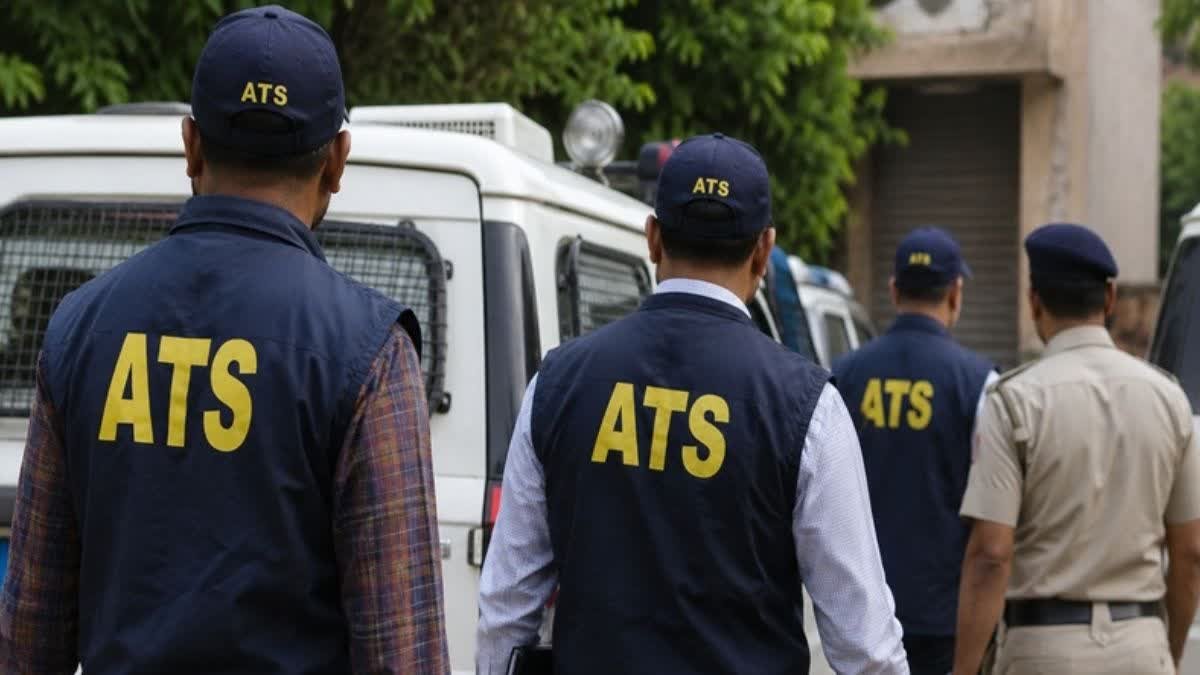
The operation involved close coordination between multiple Indian law enforcement and intelligence agencies, though officials have not yet disclosed the full operational details for security reasons.
What Is Captagon?
Captagon is an illegal synthetic stimulant that originally emerged in the 1960s as a prescription medication used to treat attention disorders and narcolepsy. The drug was later banned in most countries due to its highly addictive properties.
Today, Captagon is widely associated with illicit drug networks operating in parts of the Middle East and has gained notoriety because of its alleged use by militant groups and armed fighters in conflict zones.
The stimulant is known to produce effects such as:
- Increased alertness and energy
- Reduced fatigue
- Euphoria and heightened confidence
- Aggressive or impulsive behavior in high doses
Because of its links to extremist groups and conflict financing, international media and security agencies have often labeled it the “Jihadi Drug.”
Consignment Was Allegedly Headed to the Middle East
According to preliminary investigation details, the seized shipment was reportedly intended for illegal trafficking into Middle Eastern markets, where Captagon demand has surged in recent years.
Global enforcement agencies have repeatedly warned that Captagon trafficking has evolved into a multi-billion-dollar underground industry connected to organized crime syndicates and regional instability.
Indian investigators are now believed to be working with international agencies to trace the broader supply chain, financial networks, and possible overseas handlers associated with the consignment.
‘Operation Ragepill’ Signals India’s Expanding Anti-Narcotics Strategy
Security experts say the seizure highlights India’s growing role in global anti-drug enforcement efforts, especially as international trafficking routes increasingly pass through South Asia.
Operation Ragepill reportedly focused on:
- International narcotics trafficking networks
- Synthetic drug smuggling routes
- Foreign-linked organized crime operations
- Cross-border financial transactions tied to illegal drug trade
The arrest of a foreign national during the operation suggests possible international connections that investigators are expected to examine further in the coming weeks.
Rising Global Concern Over Captagon Trade
Over the past decade, Captagon trafficking has become a major security concern across the Middle East and Europe.
Several international reports estimate that billions of dollars’ worth of Captagon tablets are smuggled annually through clandestine production and trafficking networks. Authorities worldwide have linked the trade to:
- Organized criminal groups
- Militant financing operations
- Arms smuggling networks
- Cross-border money laundering
Experts note that the drug’s relatively low production cost and high street value have made it one of the most profitable synthetic narcotics in illegal markets.
India Reinforces Zero-Tolerance Policy on Drugs
The Indian government has repeatedly emphasized its hardline stance against narcotics trafficking under its “zero tolerance against drugs” policy.
In recent years, Indian enforcement agencies have intensified crackdowns on:
- International drug cartels
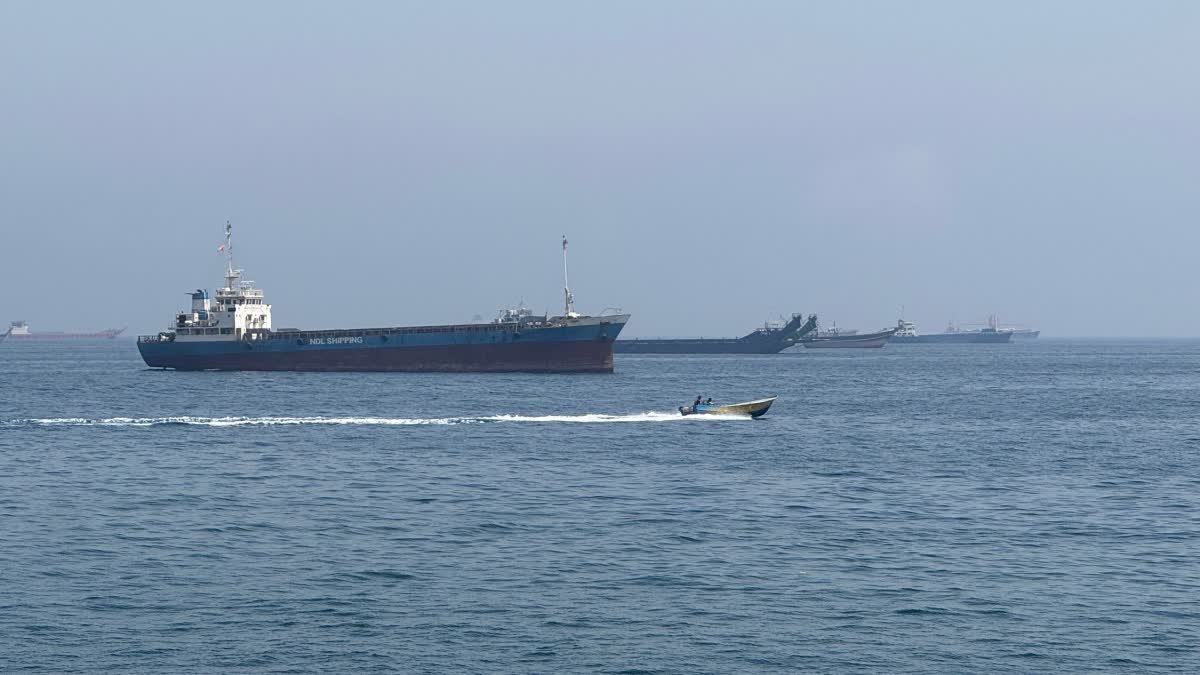
- Coastal smuggling operations
- Dark web narcotics trade
- Synthetic drug manufacturing units
- Cross-border trafficking syndicates
Officials say the Captagon seizure marks a new chapter in India’s anti-drug enforcement efforts because it involves a substance rarely detected within the country before now.
Investigation Continues
Authorities have not yet disclosed the exact quantity of Captagon seized or the location where the operation was carried out. However, officials indicated that forensic analysis, financial tracking, and international intelligence coordination are ongoing.
Investigators are expected to examine:
- The origin of the consignment
- Transit routes used by traffickers
- Potential links to international criminal organizations
- Funding channels associated with the operation
Further arrests are also considered possible as the investigation expands.