
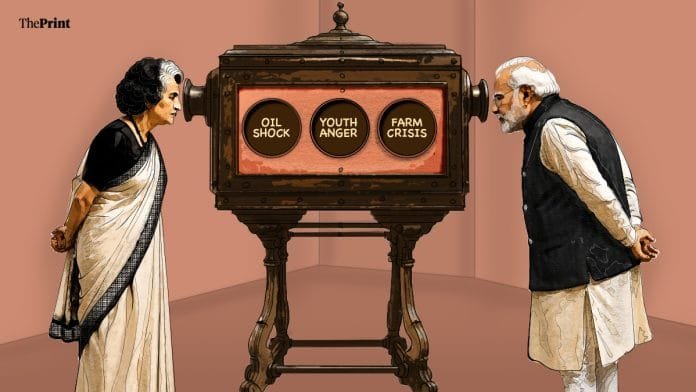
India in 2026 is increasingly drawing comparisons with the turbulent political and economic climate of 1973, when then Prime Minister Indira Gandhi faced mounting pressure from rising inflation, unemployment, and global oil shocks despite enjoying massive electoral dominance.
Political analysts and economists say the similarities between the two periods are becoming difficult to ignore. Surging crude oil prices linked to tensions in West Asia, concerns over a weak monsoon, growing frustration among unemployed youth, and rising living costs have created a challenging environment for Prime Minister Narendra Modi and his government.
Strong Leadership, But Growing Economic Anxiety
The comparison with 1973 begins with political power. After the 1971 general elections and India’s victory in the Bangladesh war, Indira Gandhi reached the peak of her popularity and political control. She dominated Parliament, the Congress party, and state governments across the country.
Similarly, Narendra Modi continues to remain India’s most influential political figure in 2026. His leadership has reshaped national politics over the past decade, with the ruling alliance maintaining a powerful presence across multiple states and institutions.
However, history shows that strong political authority does not automatically protect governments from economic distress.
In 1973, the global oil crisis triggered by the Arab-Israel conflict sharply increased fuel prices worldwide. India, heavily dependent on oil imports, experienced soaring inflation, shortages, and economic instability. Public frustration soon transformed into widespread protests and political unrest.
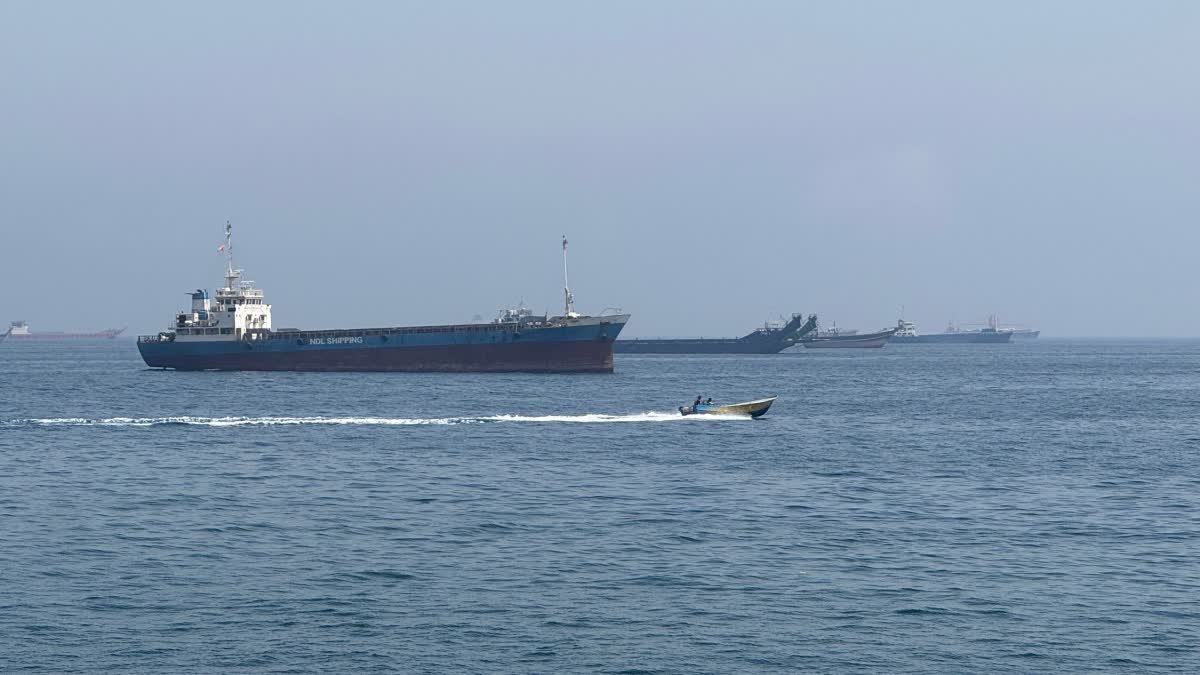
Today, India faces another period of uncertainty as global crude oil prices remain volatile due to geopolitical conflicts in West Asia and supply concerns in international energy markets.
Inflation and Unemployment Become Major Concerns
Rising fuel costs are already affecting transportation, food prices, and household expenses across India. Economists warn that if crude prices continue climbing, inflationary pressure could intensify in the coming months.
At the same time, unemployment among young Indians remains a major political and social challenge. Many educated youth continue to struggle with limited job opportunities despite rapid economic growth in sectors like technology, manufacturing, and digital services.
Experts believe this combination of inflation and unemployment can become politically sensitive, especially in a country where a large share of the population is under the age of 35.
The situation has revived memories of the student-led protests and anti-government movements that emerged during the mid-1970s under Indira Gandhi’s rule.
Monsoon Fears Add to Economic Pressure
Another major concern is the monsoon season. India’s agriculture sector still depends heavily on rainfall, and any disruption caused by climate change or weak monsoon patterns could impact food production and rural incomes.
Poor agricultural output could further increase food inflation, putting additional pressure on middle-class and lower-income families.
Climate experts have also pointed to rising temperatures and unpredictable weather patterns as long-term risks to India’s economic stability.
Lessons From Indira Gandhi Era
Political observers say the most important lesson from the Indira Gandhi era is not the crisis itself, but how the government responded to it.
As economic pressure and protests intensified during the 1970s, Indira Gandhi adopted increasingly aggressive political measures, eventually leading to the declaration of the Emergency in 1975 — one of the most controversial periods in Indian democratic history.
Analysts argue that governments facing public anger must avoid centralizing excessive power or dismissing criticism. Instead, they say transparency, economic reforms, employment generation, and social dialogue are critical during periods of instability.
India of 2026 Is Stronger Than India of 1973
Despite the similarities, many experts caution against direct comparisons. India today is far stronger economically and institutionally than it was five decades ago.
The country now has a larger economy, stronger foreign exchange reserves, better infrastructure, a diversified industrial base, and advanced digital governance systems. India is also a major global player in technology, manufacturing, and renewable energy.
Still, observers say public expectations are also much higher now.
As India navigates economic uncertainty, rising aspirations, and geopolitical tensions, the coming months could become a major test of the Modi government’s political and economic management.
Whether 2026 becomes merely a historical “rhyme” or evolves into a deeper crisis may depend on how effectively the government responds to inflation, unemployment, and growing public anxiety in the months ahead.