

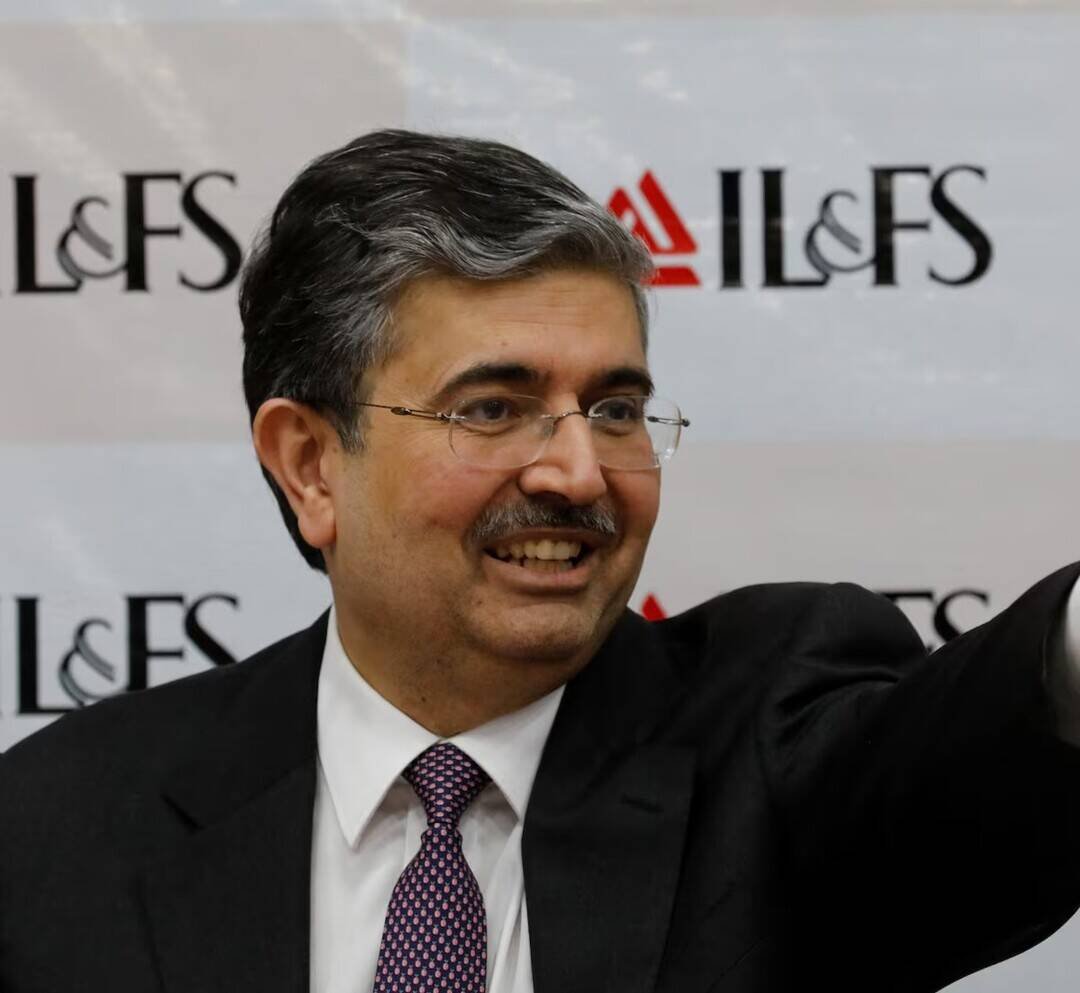
Mumbai/New York — Indian billionaire banker Uday Kotak has raised fresh concerns about the growing pressure created by the United States’ expanding debt burden, warning that rising borrowing costs in the world’s largest economy could have major global consequences.
Speaking on current macroeconomic trends, Kotak pointed to the sharp increase in US Treasury yields as a key signal of mounting financial stress in the American borrowing system.
“A crucial macro factor today is US 10-year bond yields. They’ve moved up from 4.16% on January 1 to 4.60%. It reflects increasing strain for the US borrowing program as US debt nears $40 trillion,” Kotak said.
Highlighting the global importance of the American economy and financial markets, he added, “When the US sneezes, the world gets a cold.”
Kotak’s remarks come at a time when investors worldwide are closely monitoring the rapidly growing US fiscal deficit, elevated interest rates, and rising Treasury yields, all of which are influencing global capital flows, currency markets, and investment sentiment.
The benchmark 10-year US Treasury yield is considered one of the most important indicators in global finance because it influences borrowing costs across mortgages, corporate loans, government debt markets, and international investment portfolios. Rising yields typically indicate investors are demanding higher returns to lend money to the government, often due to concerns about inflation, fiscal deficits, or long-term debt sustainability.
The United States national debt has steadily climbed in recent years due to massive government spending during and after the COVID-19 pandemic, higher interest obligations, military expenditures, entitlement programs, and economic stimulus measures. Economists estimate that total US federal debt is approaching the $40 trillion mark, an unprecedented level in the country’s history.
Market analysts say rising debt servicing costs are becoming an increasingly important challenge for Washington. As interest rates remain elevated, the US government must pay significantly more interest on newly issued debt and refinancing obligations.
Kotak’s warning reflects broader concerns shared by several economists and global investors who believe persistently high US borrowing costs could trigger ripple effects across emerging markets and international financial systems.
Because the US dollar remains the world’s dominant reserve currency, changes in American interest rates and Treasury yields often affect economies worldwide. Higher US yields typically attract global capital back into dollar-denominated assets, placing pressure on emerging-market currencies, equities, and bond markets.
Countries with large external debt burdens or reliance on foreign investment are especially vulnerable when US borrowing costs rise sharply. A stronger dollar and tighter global liquidity conditions can also increase import costs, inflationary pressures, and refinancing risks for developing economies.
Kotak, founder of Kotak Mahindra Bank, is widely regarded as one of India’s most influential financial voices. His comments are likely to resonate strongly among investors already navigating uncertainty around inflation trends, central bank policies, slowing global growth, and geopolitical tensions.
Financial markets are also closely watching signals from the Federal Reserve regarding future interest-rate decisions. Any indication that inflation remains sticky or fiscal pressures are intensifying could keep Treasury yields elevated for an extended period.
Experts say the combination of large fiscal deficits, geopolitical instability, and slowing economic growth has created one of the most complex global macroeconomic environments in years.
Kotak’s remarks underline a longstanding reality of global finance: because of the central role played by the United States economy, financial shocks originating in America often spread quickly across international markets — affecting businesses, governments, and consumers far beyond US borders.