
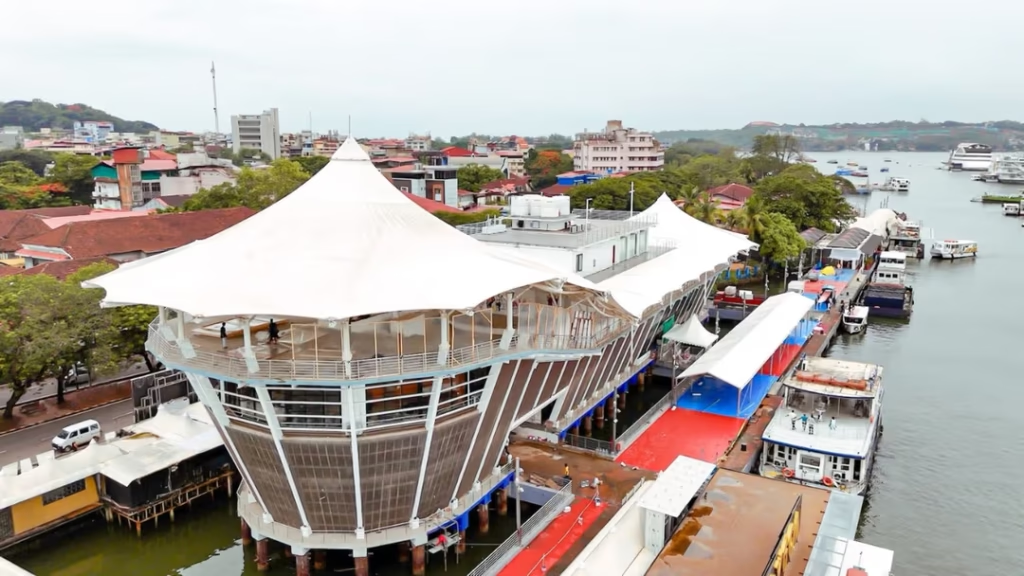
New Delhi : Goa’s pioneering model of sustainable architecture, which successfully combines heritage conservation, climate-responsive design, and modern infrastructure, is set to be showcased at the National Conference on Goan Architecture & Sustainability in New Delhi on July 31, 2026. The conference aims to present the Goa Model as a potential blueprint for sustainable urban development across India.
The event has been conceived and initiated by Goa Chief Minister Dr. Pramod Sawant and is being organized by the Goa State Infrastructure Development Corporation (GSIDC). It will bring together policymakers, architects, urban planners, conservationists, developers, environmental experts, researchers, engineers, academicians, and industry leaders from across the country to discuss how traditional architectural wisdom can support India’s future development.
Inspired by the Vision of “Vikas Bhi, Virasat Bhi”
The conference is firmly rooted in the national vision of “Vikas Bhi, Virasat Bhi” (Development Alongside Heritage), articulated by Prime Minister Shri Narendra Modi. The guiding philosophy emphasizes that economic growth and heritage preservation should complement each other rather than compete.
According to the organizers, Goa offers one of India’s most successful examples of this approach by integrating traditional architecture, modern infrastructure, and environmentally sustainable planning.
What Makes the Goa Model Unique?
At the core of the Goa Model is the belief that buildings should be designed according to local climate and geography, rather than relying solely on energy-intensive modern construction techniques.
Traditional Goan architecture incorporates several climate-friendly features, including:
- Laterite stone walls that naturally regulate indoor temperatures.
- Sloping tiled roofs designed to efficiently manage heavy monsoon rainfall.
- Deep verandahs and balcaos providing shade and reducing heat gain.
- Central courtyards that improve natural ventilation.
- Settlement layouts that follow the contours of the land while preserving natural water flow.
Experts describe these elements as time-tested climate engineering solutions, capable of providing comfortable living conditions while significantly reducing dependence on artificial cooling systems.
A Blueprint for Sustainable Urban Development
As India experiences rapid urbanization, rising temperatures, urban heat islands, increasing energy demand, and growing pressure on water resources, the Goa Model demonstrates that low-energy, climate-responsive, and culturally rooted construction can support sustainable growth.
The model has already influenced public infrastructure, urban planning, and tourism development within Goa, and policymakers believe similar principles can be adapted by other states according to their own regional architectural traditions.
High-Level Participation Expected
The inaugural session will be attended by several senior government leaders, including:
- Dr. Pramod Sawant, Chief Minister of Goa
- Shri Nitin Gadkari, Union Minister for Road Transport and Highways
- Shri Bhupender Yadav, Union Minister for Environment, Forest and Climate Change
- Shri Gajendra Singh Shekhawat, Union Minister for Culture
Senior officials from both the Government of India and the Government of Goa will also participate.
Speaking ahead of the conference, Dr. Pramod Sawant stated that Goa is prepared to share its development experience with the rest of the country.
He emphasized that the state’s architectural traditions represent generations of practical knowledge about climate, community living, water management, and environmentally responsible construction, principles that continue to guide Goa’s modern infrastructure projects.
Technical Sessions to Explore Sustainable Innovation
The conference will feature four specialized technical sessions covering:
- Architecture and Heritage Conservation
- Sustainable Habitats
- Energy-Efficient Buildings
- Green Building Certification
- Climate-Smart Construction Materials
Experts from national and international institutions will present research and practical experiences related to green architecture, urban sustainability, and future-ready infrastructure.
The event is expected to attract architects, engineers, urban planners, government officials, developers, students, and academicians from across India.
Beyond knowledge-sharing, the conference aims to strengthen collaboration among state governments, professional organizations, and educational institutions in promoting heritage conservation, sustainable design, and climate-resilient urban planning.
The conference will conclude with a valedictory session, followed by a networking interaction among delegates. Organizers expect that the recommendations generated during the discussions will contribute to India’s broader policy dialogue on sustainable development and reinforce the importance of regional architectural traditions in shaping the country’s future built environment.
International Perspective
Commenting on the initiative, Michael Anderson, an American sustainable architecture expert, said:
“Goa’s approach demonstrates that traditional architecture can offer practical solutions to modern environmental challenges. Designing buildings that respond naturally to local climate reduces energy consumption while preserving cultural identity.“
Meanwhile, Emily Carter, a U.S.-based urban planning and climate resilience consultant, observed:
“As cities worldwide confront climate change and rapid urbanization, regional architectural models like Goa’s provide valuable lessons in balancing development, sustainability, and heritage conservation. Such initiatives can inspire more resilient and people-centered urban planning.“
Key Highlights
- Goa’s Sustainable Architecture Model will be presented at the National Conference on Goan Architecture & Sustainability in New Delhi on July 31, 2026.
- The conference has been initiated by Chief Minister Dr. Pramod Sawant and organized by the Goa State Infrastructure Development Corporation (GSIDC).
- The event is based on the national vision of “Vikas Bhi, Virasat Bhi”, promoting development alongside heritage conservation.
- The Goa Model emphasizes climate-responsive architecture, including laterite walls, sloping tiled roofs, verandahs, balcaos, courtyards, and land-sensitive settlement planning.
- Senior leaders including Dr. Pramod Sawant, Shri Nitin Gadkari, Shri Bhupender Yadav, and Shri Gajendra Singh Shekhawat are expected to participate.
- Technical sessions will focus on heritage conservation, green buildings, energy-efficient construction, sustainable habitats, and climate-smart building materials.
- The conference aims to promote collaboration among governments, architects, engineers, researchers, and educational institutions while contributing to India’s long-term strategy for sustainable urban development and climate-resilient infrastructure.