
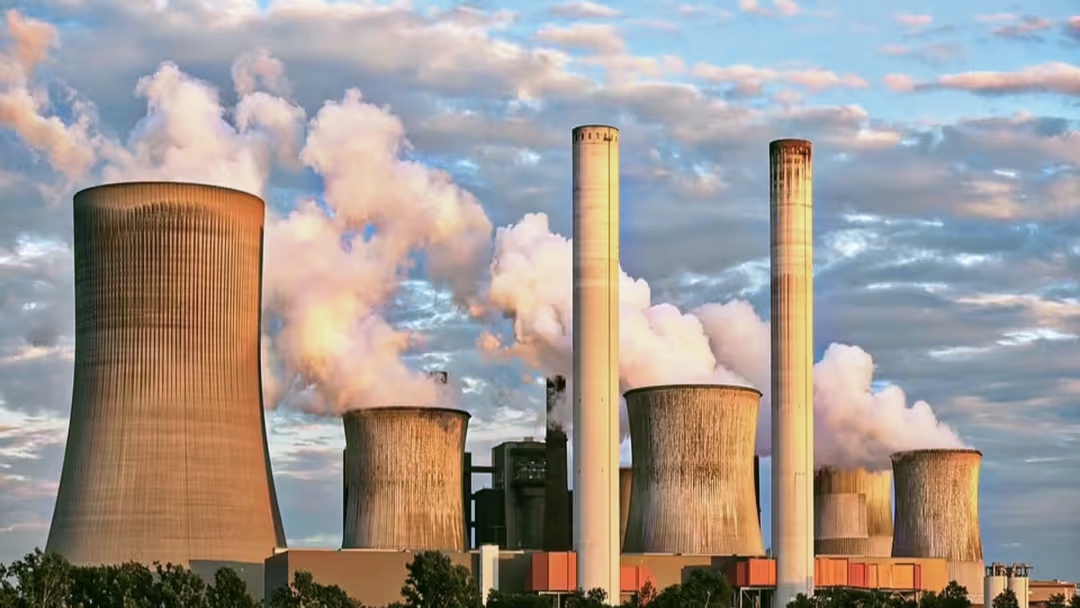
NEW DELHI, India — NTPC Limited, India’s largest state-owned power generation company, has announced the commercial operation of Unit-2 of the Patratu Super Thermal Power Project (STPP) Phase-1 in Jharkhand, marking another major milestone in the country’s efforts to strengthen its electricity infrastructure.
The newly commissioned 800 MW generating unit is owned by Patratu Vidyut Utpadan Nigam Limited (PVUNL), a subsidiary of NTPC. According to the company, the unit officially entered commercial operation at 12:00 a.m. on June 25, 2026.
The commissioning significantly boosts NTPC Group’s overall power generation capability. With the addition of the new unit, the company’s total installed capacity has increased to 90,857 MW, while its commercial operating capacity now stands at 89,777 MW.
The Patratu Super Thermal Power Project Phase-1 is being developed with a total capacity of 2,400 MW, consisting of three ultra-supercritical units of 800 MW each. The project is being executed by PVUNL, a joint venture led by NTPC, and is designed to improve power reliability and meet the growing electricity demand across Jharkhand and neighboring regions.
The successful commissioning of Unit-2 is expected to enhance grid stability, strengthen regional power availability, and improve the efficiency of electricity supply. Once all three units become operational, the project will make a substantial contribution to India’s expanding power generation network.
As India’s largest power producer, NTPC continues to play a central role in the nation’s energy sector. The company is actively expanding its portfolio across thermal, hydroelectric, solar, wind, and other clean energy projects while modernizing existing power plants to improve efficiency and reduce environmental impact.
The latest capacity addition underscores NTPC’s long-term strategy of building a reliable, diversified, and sustainable energy portfolio to support India’s rapid economic growth, industrial expansion, and rising electricity consumption. The company remains committed to strengthening the country’s energy security through continued investments in both conventional and renewable power generation.