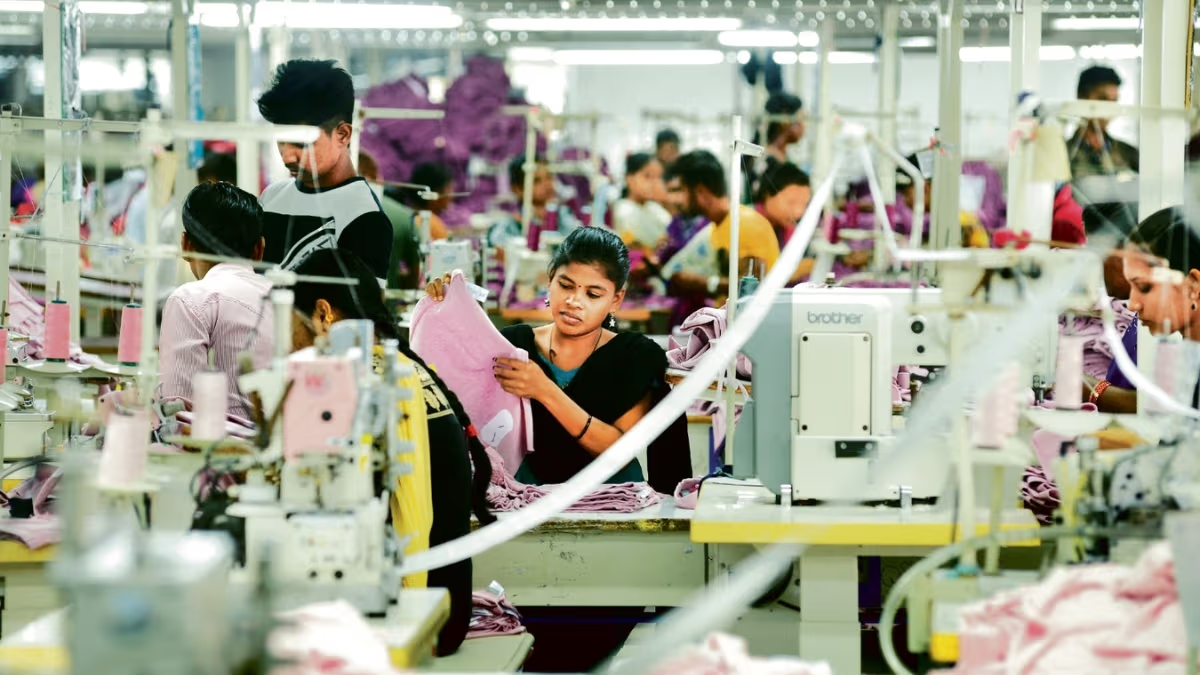



As temperatures continue to rise across major cities and industrial regions, health experts are raising concerns about the growing impact of excessive workplace heat on employees’ physical and mental well-being. From outdoor laborers and factory workers to office employees in poorly ventilated spaces, millions of workers are increasingly vulnerable to heat-related health risks.
Medical professionals say prolonged exposure to high temperatures is no longer just a matter of discomfort — it is becoming a significant workplace health and safety issue.
According to Dr. Suchismitha Rajamanya, Lead Consultant and Head of Internal Medicine at Aster Whitefield Hospital, excessive heat can severely affect the body’s ability to regulate temperature, leading to dehydration, exhaustion, cognitive difficulties, and potentially life-threatening conditions.
Rising Heat Levels Creating Workplace Challenges
With climate conditions becoming more extreme during summer months, many workers are spending long hours in environments where temperatures remain dangerously high. Experts say workplaces without proper ventilation, cooling systems, hydration access, or rest breaks can increase the likelihood of heat stress and other medical emergencies.
“When the body is exposed to heat for prolonged periods, it struggles to maintain its normal internal temperature,” Dr. Rajamanya explained. “This can lead to dehydration, fatigue, reduced concentration, and in severe cases, heat exhaustion or heatstroke.”
Physical Health Risks Increasing
Health professionals warn that excessive sweating caused by high temperatures leads to the loss of fluids and essential salts from the body. As dehydration develops, workers may experience symptoms such as:
- Muscle cramps
- Headaches
- Dizziness
- Weakness
- Fatigue
- Nausea
If left untreated, these symptoms can progress into more severe heat-related illnesses. Heatstroke — considered the most dangerous heat-related condition — can cause confusion, loss of consciousness, organ damage, and may even become fatal without immediate medical attention.
Outdoor workers in construction, transportation, agriculture, and manufacturing industries are considered among the most vulnerable groups during extreme heat conditions.
Mental Health and Productivity Also Affected
Experts emphasize that heat exposure affects more than just physical health. Long working hours in hot environments can significantly reduce mental performance and emotional stability.
Employees exposed to excessive heat often report increased irritability, stress, anxiety, difficulty concentrating, and mental exhaustion. Reduced focus and slower reaction times can also increase the risk of workplace accidents and operational errors.
“Heat stress can impair judgment and concentration,” doctors say. “This creates safety concerns, especially in physically demanding or high-risk jobs.”
Dangerous “Push Through the Heat” Culture
One major concern among healthcare professionals is the tendency of workers to ignore early warning signs of heat-related illness. Many employees continue working despite symptoms such as tiredness, dehydration, or dizziness, believing they can “push through” the discomfort.
Doctors warn that this mindset can quickly turn dangerous.
Early symptoms are often the body’s warning system, and ignoring them can result in rapid deterioration. Severe dehydration, heat exhaustion, and heatstroke can develop within hours if proper precautions are not taken.
Employers Urged to Prioritize Worker Safety
Medical experts and workplace safety advocates say employers play a critical role in preventing heat-related illnesses. Companies are being encouraged to adopt protective measures that reduce heat exposure and support employee well-being.
Recommended workplace safety measures include:
- Providing access to clean drinking water
- Ensuring proper ventilation and cooling systems
- Allowing regular rest breaks in shaded or air-conditioned areas
- Adjusting work schedules to avoid peak afternoon heat
- Educating employees about heat-related warning signs
- Encouraging lightweight and breathable clothing
Occupational health experts say even small preventive steps can significantly reduce the risk of medical emergencies.
Recognizing When Medical Help Is Needed
Doctors advise workers and supervisors to immediately seek medical attention if symptoms such as high body temperature, confusion, fainting, vomiting, severe weakness, or difficulty speaking occur.
These symptoms may indicate heatstroke, a medical emergency requiring urgent treatment.
Heat Awareness Becoming More Important
As global temperatures continue to rise, workplace heat exposure is expected to become an increasingly serious public health issue. Experts say awareness, education, and preventive action are essential to protecting workers’ health, safety, and productivity.
“The message is simple,” Dr. Rajamanya said. “Understanding the risks of excessive heat and taking preventive measures can save lives.”
Health professionals are urging both employers and employees to treat heat exposure seriously and prioritize workplace safety during extreme weather conditions.