


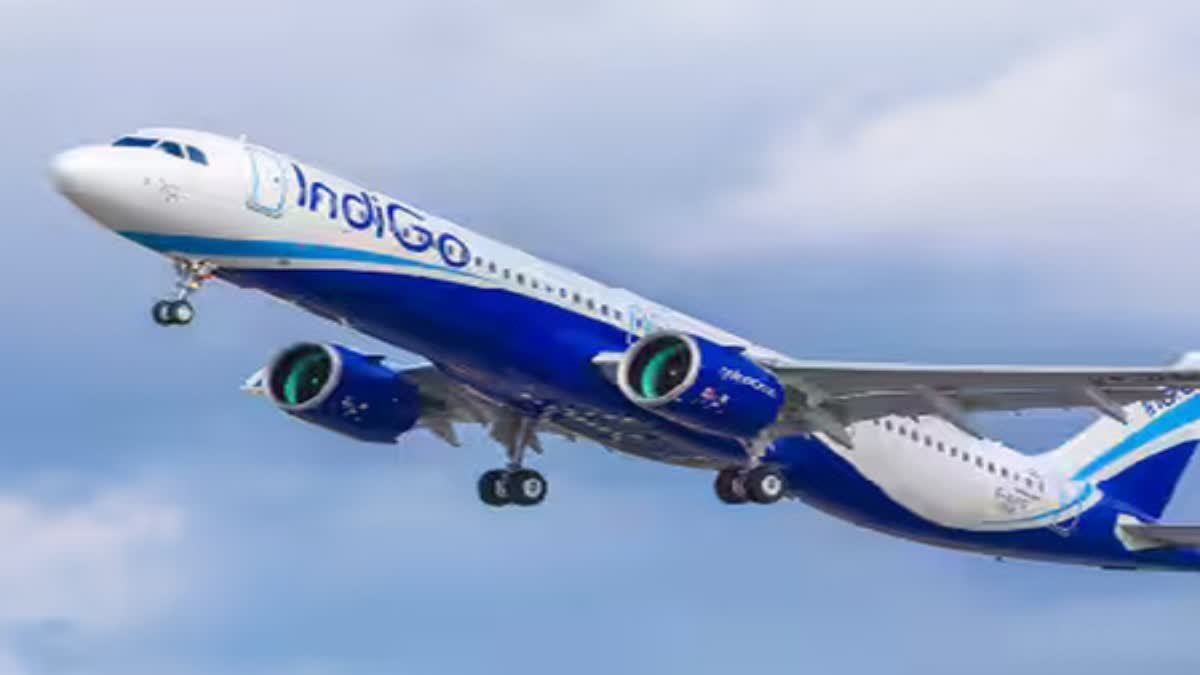

New Delhi: Air travel with IndiGo has become more expensive as the airline has increased its fuel charges on both domestic and international flights amid a sustained rise in Aviation Turbine Fuel (ATF) prices.
IndiGo announced the revision on October 5, 2026, saying the new fuel charges would apply to all new bookings made after 12:01 am on October 6, 2026. Passengers who booked their tickets before the effective time will not be affected by the revised charge for those existing bookings.
The latest move means passengers booking IndiGo flights from October 6 onward will have to pay an additional fuel charge depending on their route and travel distance.
Why Has IndiGo Increased the Fuel Charge?
IndiGo said the decision was driven by the continued increase in ATF prices, which has significantly raised operating costs for airlines.
According to the airline, the increase in fuel costs has put sustained pressure on its cost structure. IndiGo said that passing on the entire impact through a conventional fare increase would have resulted in a substantially higher burden on passengers, and the revised fuel charge is intended to offset part of the additional cost.
The airline’s official announcement says the revised charges apply across its domestic and international network.
How Much More Will Domestic Passengers Pay?
For domestic flights, the fuel charge has been revised according to the distance of the journey.
The new charges are:
| Flight Distance | Revised Fuel Charge |
|---|---|
| 0–500 km | ₹375 |
| 501–1,000 km | ₹600 |
| 1,001–1,500 km | ₹900 |
| 1,501–2,000 km | ₹1,150 |
| Above 2,000 km | ₹1,300 |
The revised domestic fuel charge therefore ranges from ₹375 to ₹1,300 per sector, depending on the distance.
The increase follows IndiGo’s earlier distance-based fuel-charge structure introduced in 2026, under which charges had ranged from ₹275 to ₹950.
What About International Flights?
The increase also applies to IndiGo’s international routes. International fuel charges vary according to the destination region and sector.
The revised structure includes significantly higher charges on several international routes, with some long-haul sectors attracting a fuel charge of up to ₹10,000.
Passengers should therefore check the total fare displayed at the time of booking, as the final ticket price will depend on the specific route, fare type, taxes and applicable charges.
How Much Will Your Total Ticket Cost Increase?
The actual increase in the final ticket price will depend on the route.
For example, a passenger booking a domestic flight covering more than 2,000 km will face a ₹1,300 fuel charge per sector under the revised structure.
For international travel, the additional amount can be substantially higher depending on the destination and applicable sector charge.
It should be noted that the fuel charge is only one component of the final airfare. The amount displayed to passengers can also include the base fare, airport charges, taxes and other applicable fees.
Passengers With Existing Bookings Get Relief
Passengers who had already completed their ticket booking before the new charges came into effect will not have to pay the revised fuel charge simply because of this announcement.
IndiGo has specified that the revised charges apply to new bookings made after 12:01 am on October 6, 2026.
This means travellers who purchased their tickets before the deadline can continue with their existing bookings without the new surcharge being added retrospectively.
Why Are ATF Prices Important for Airfares?
ATF is one of the largest operating expenses for airlines. Any sharp increase in aviation fuel prices can therefore put considerable pressure on airline costs.
IndiGo had already introduced fuel charges in 2026 following a significant rise in fuel prices. The airline said at the time that completely offsetting the increase through normal fares would require a much larger adjustment, so it opted for a relatively smaller fuel charge.
The latest revision reflects the continued pressure from higher fuel costs.
What Should Passengers Do Before Booking?
Passengers planning to fly with IndiGo should compare the final fare, rather than only the base ticket price. The revised fuel charge can make a noticeable difference, particularly on longer domestic journeys and international sectors.
Travellers who have flexibility in their schedules may also compare different travel dates, as the base fare itself can vary significantly depending on demand and seat availability.
IndiGo Says Charges May Be Reviewed
The revised fuel charges are linked to the airline’s operating-cost environment and the sustained increase in ATF prices. Any future change in fuel prices or market conditions could therefore lead to another review of the charges.
For now, the revised structure applies to new IndiGo bookings made from October 6, 2026 onward.