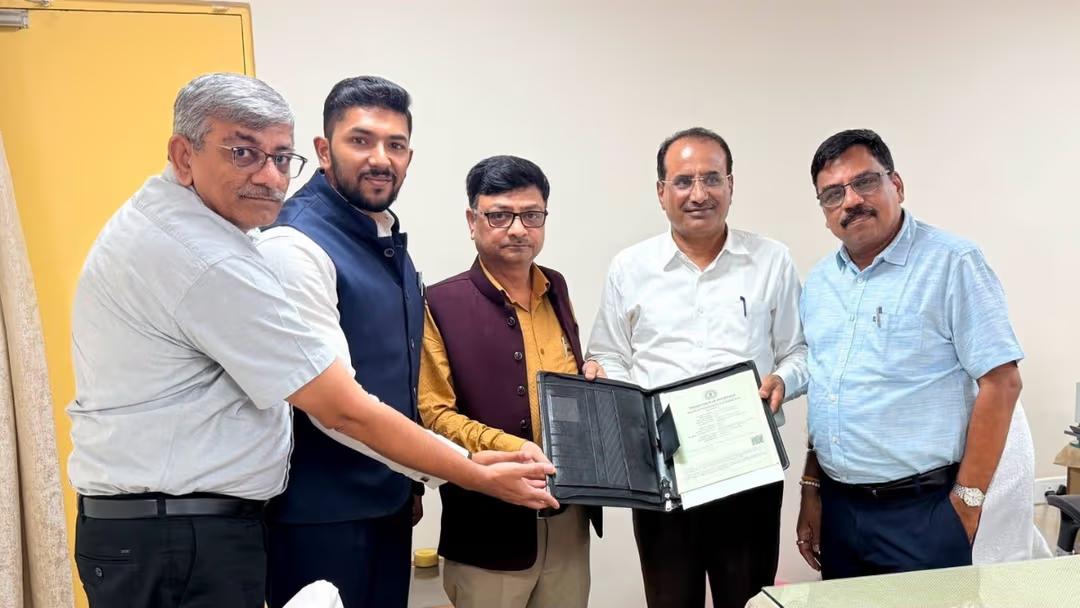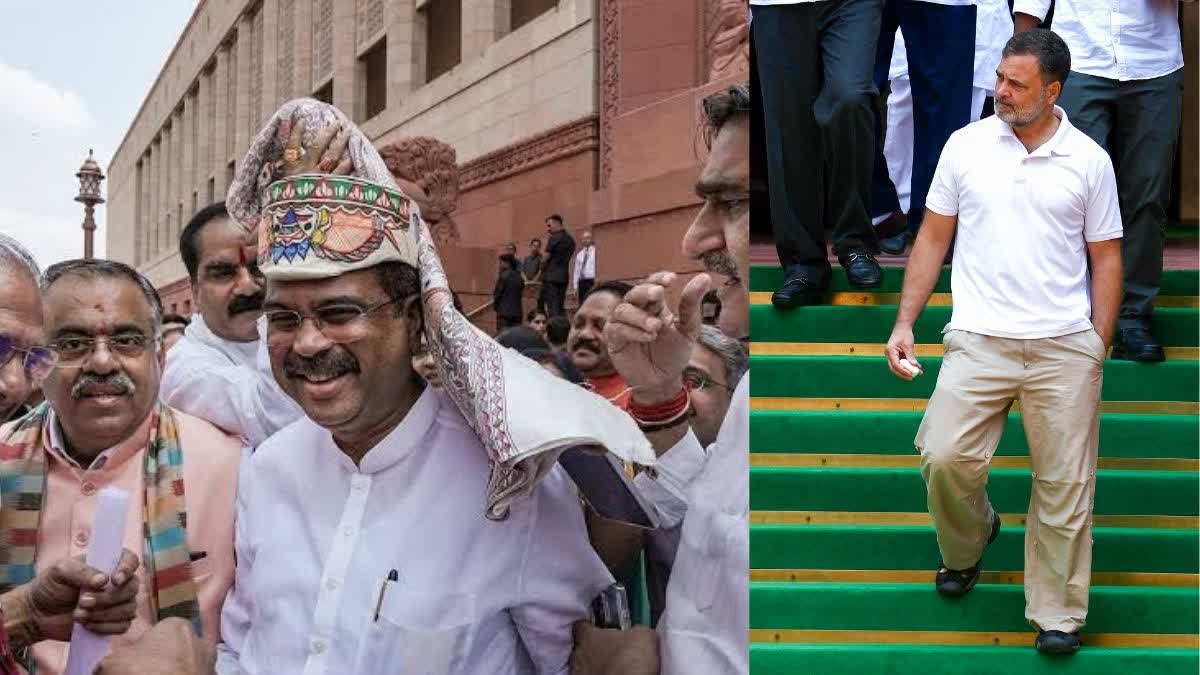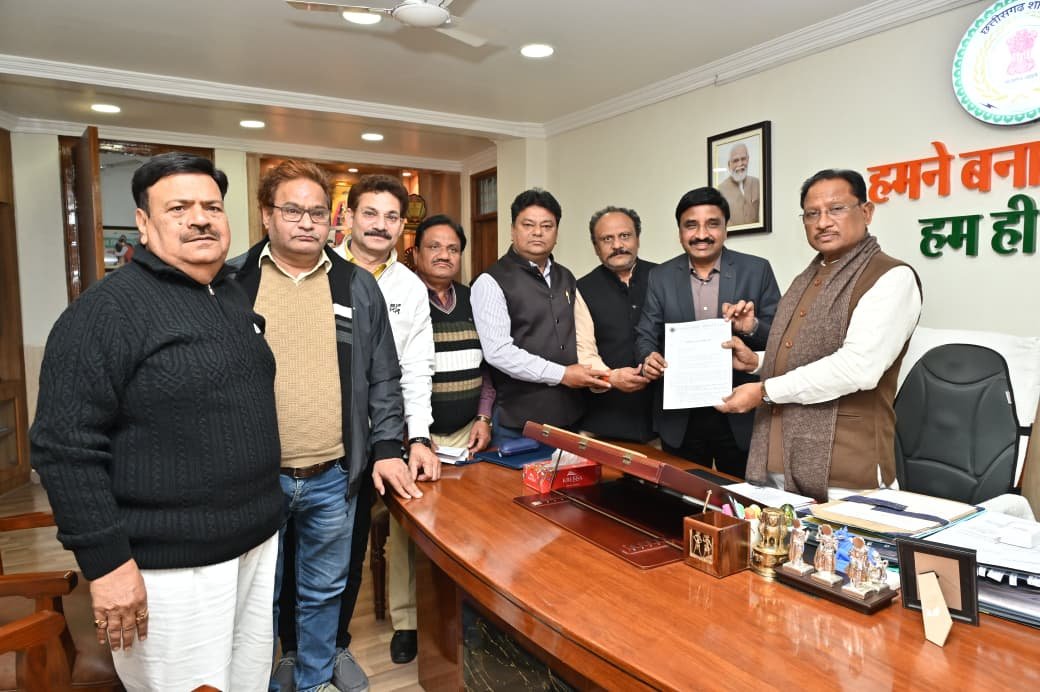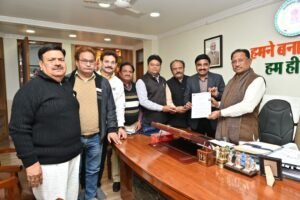


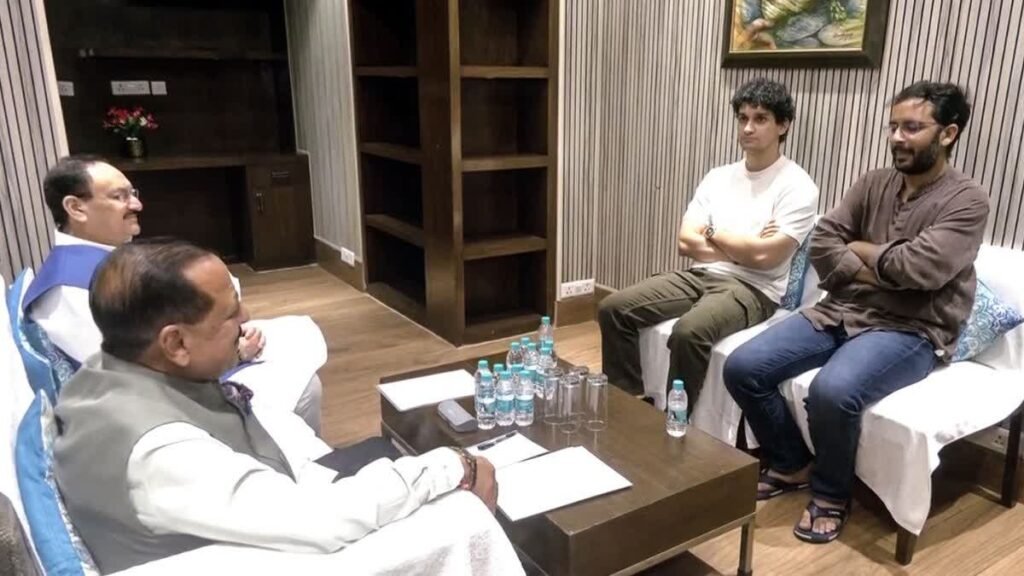
New Delhi, India | The ongoing controversy surrounding the alleged NEET examination paper leak and broader concerns over exam irregularities remained at the center of national attention on Friday, as representatives of the Cockroach Janta Party (CJP) held another round of discussions with senior members of the Government of India. While the meeting addressed several demands raised by the student-backed organization, no final agreement was reached, with the issue of the Education Minister’s resignation remaining the principal point of disagreement.
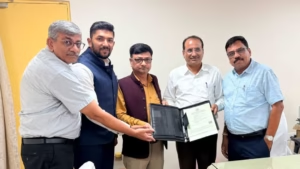
The meeting lasted approximately one to two hours at Vitthalbhai Patel House, Constitution Club, New Delhi, and marked the third official round of talks between both sides. A follow-up meeting has been scheduled for Saturday afternoon.
Government and CJP Hold Fresh Discussions
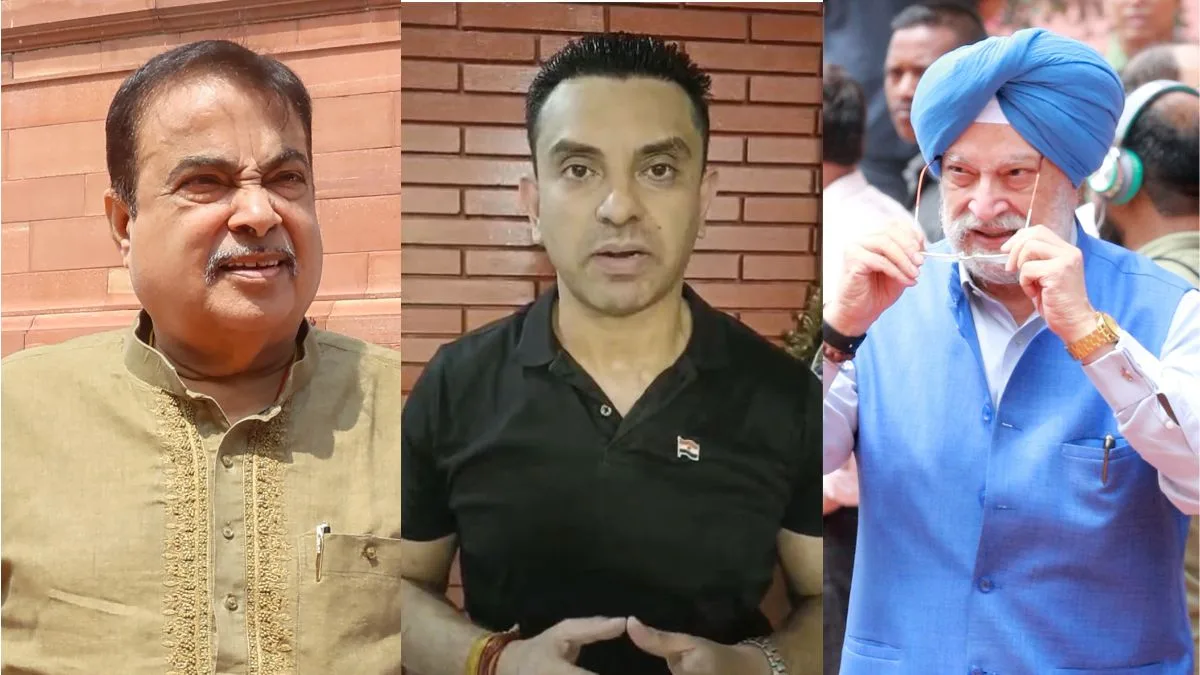
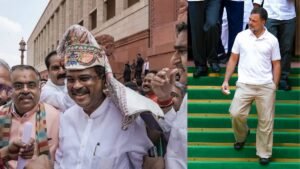
The government delegation included:
- Union Health Minister J.P. Nadda
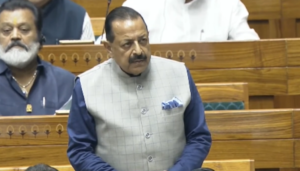
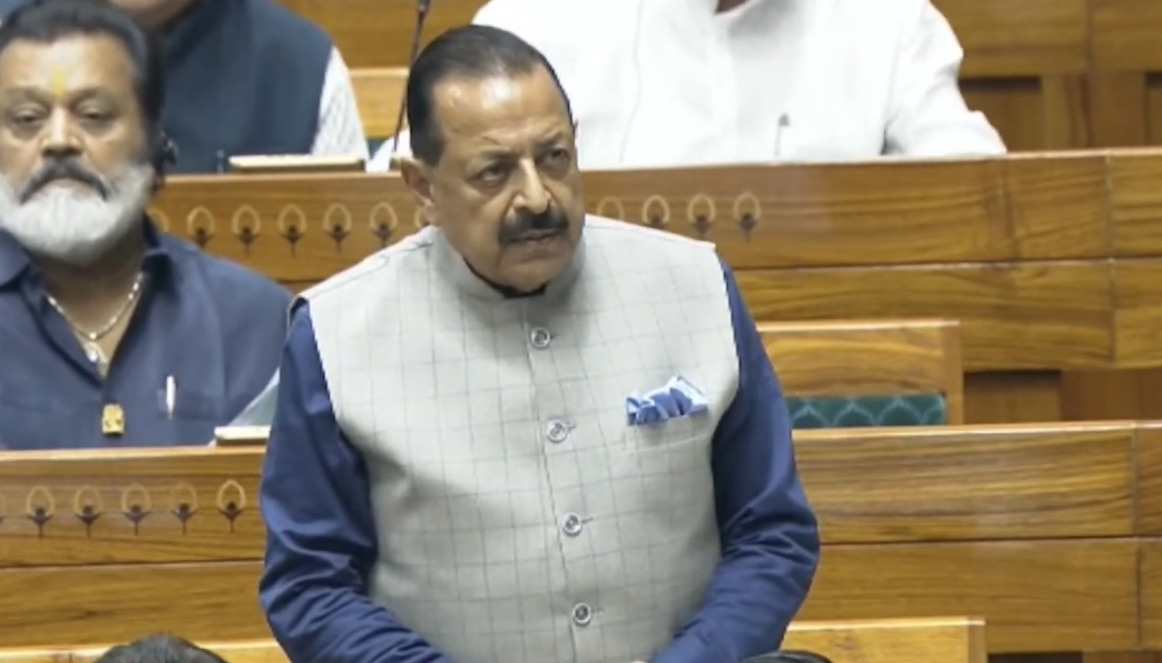
- Minister of State in the Prime Minister’s Office, Dr. Jitendra Singh
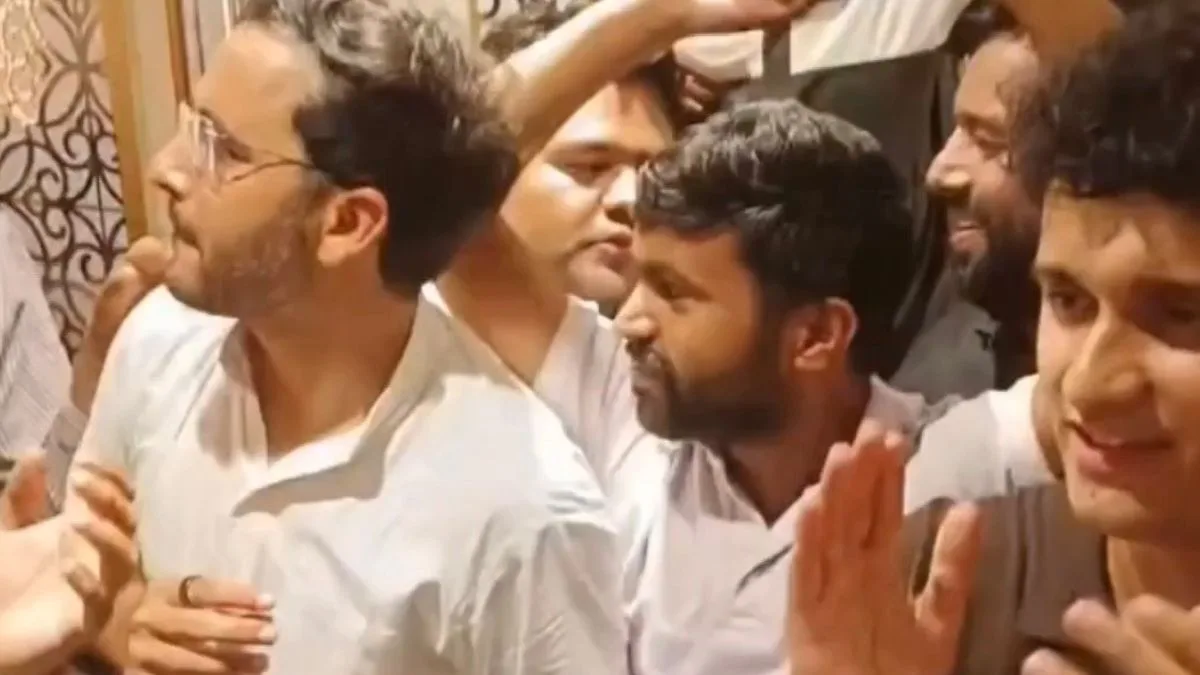
The CJP delegation was represented by its spokespersons:
- Saurav Das
- Ashutosh Ranka
Following the meeting, both parties acknowledged that discussions had been constructive but confirmed that several issues remain unresolved.
CJP’s Three Main Demands
According to statements made after the meeting, the Cockroach Janta Party (CJP) presented three primary demands:
- Resignation or removal of Union Education Minister Dharmendra Pradhan.
- Compensation of ₹1 crore for the families of students who allegedly died by suicide following the NEET examination controversy.
- Withdrawal of FIRs and legal cases registered against protesting students.
The organization also submitted five proposals aimed at strengthening India’s examination system, including:
- Compensation for students affected by examination irregularities
- Backup examinations within 72 hours in case of confirmed paper leaks
- Greater transparency in evaluation
- Relaxation of age limits for affected candidates
- Independent technical audits of examination processes
Government Requests More Time
Speaking after the meeting, CJP spokesperson Saurav Das claimed that the government had expressed in-principle agreement regarding compensation for affected families and the withdrawal of legal cases against student protesters.
However, according to Das, the government requested additional time before responding to the demand for the Education Minister’s resignation, with a decision expected to be discussed during the next meeting.
He stated that the organization’s movement would continue until what it considers concrete action is taken.
Government’s Response
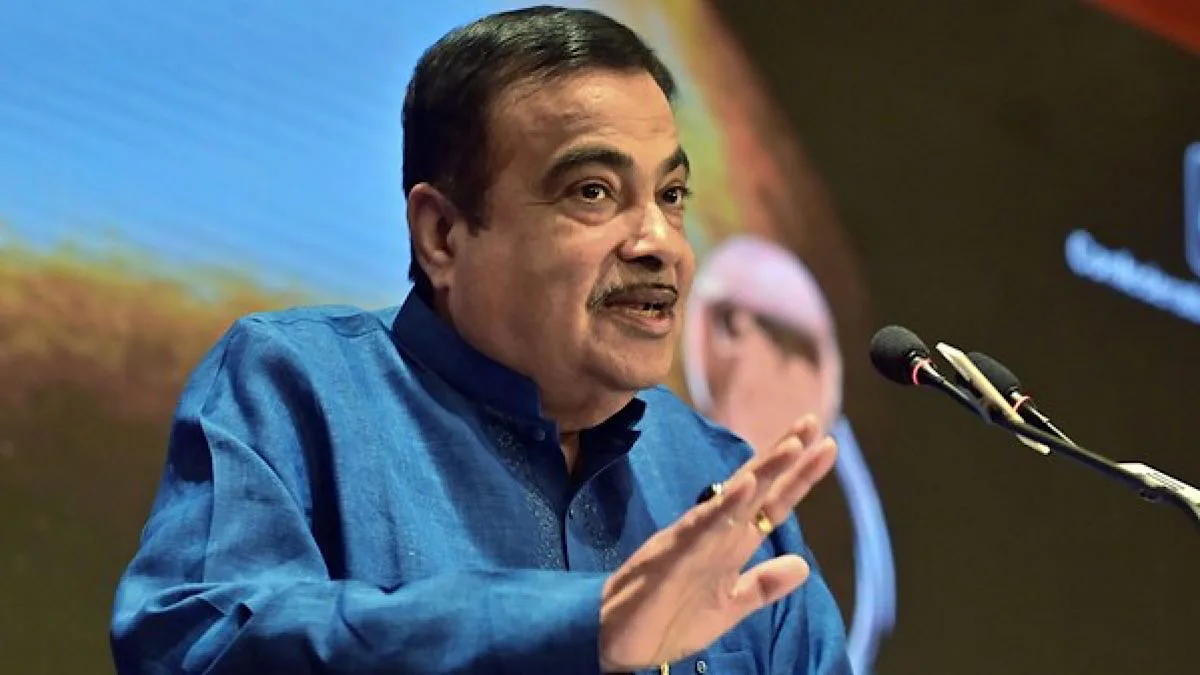
After the discussions, J.P. Nadda said that the delegation had submitted three principal demands along with five recommendations for examination reforms.
He stated that the government would continue consultations internally and provide further feedback during the next scheduled meeting.
No official announcement regarding the demand for the Education Minister’s resignation was made following Friday’s talks.
Opposition Continues Pressure
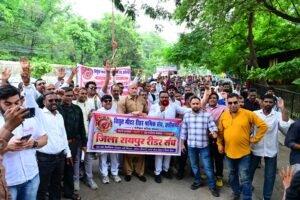
Opposition leaders also intensified pressure on the government, insisting that they would continue protesting until action is taken.
According to statements reported during the political developments:
- Opposition parties maintained their demand for the Education Minister’s resignation.
- Some leaders called for the dismissal of the minister rather than a voluntary resignation.
- They also urged the government to provide compensation to affected families and withdraw legal cases against protesting students.
The issue has continued to generate heated exchanges inside and outside Parliament, where opposition parties have repeatedly demanded accountability over examination management.
Examination Reform Debate
Beyond the immediate political dispute, the controversy has reignited broader discussions regarding:
- Examination security
- Paper leak prevention
- Digital monitoring systems
- Student welfare
- Institutional accountability
- Transparency in competitive examinations
Education experts believe that restoring public confidence in national entrance examinations will require both administrative reforms and stronger oversight mechanisms.
American Experts React
Dr. Michael Reynolds, an education policy researcher based in Boston, Massachusetts, said:
“Whenever questions arise about the integrity of a national examination system, governments must respond with transparent investigations and credible institutional reforms. Public trust is essential for competitive examinations.”
Meanwhile, Jennifer Carter, a higher education governance specialist from Washington, D.C., commented:
“Constructive dialogue between governments, student representatives, and stakeholders is important. Long-term solutions should focus on strengthening examination security, ensuring fairness, and protecting the interests of students.”
What Happens Next?
The next round of discussions between the Government of India and CJP is scheduled for Saturday, when officials are expected to respond to the remaining unresolved demands.
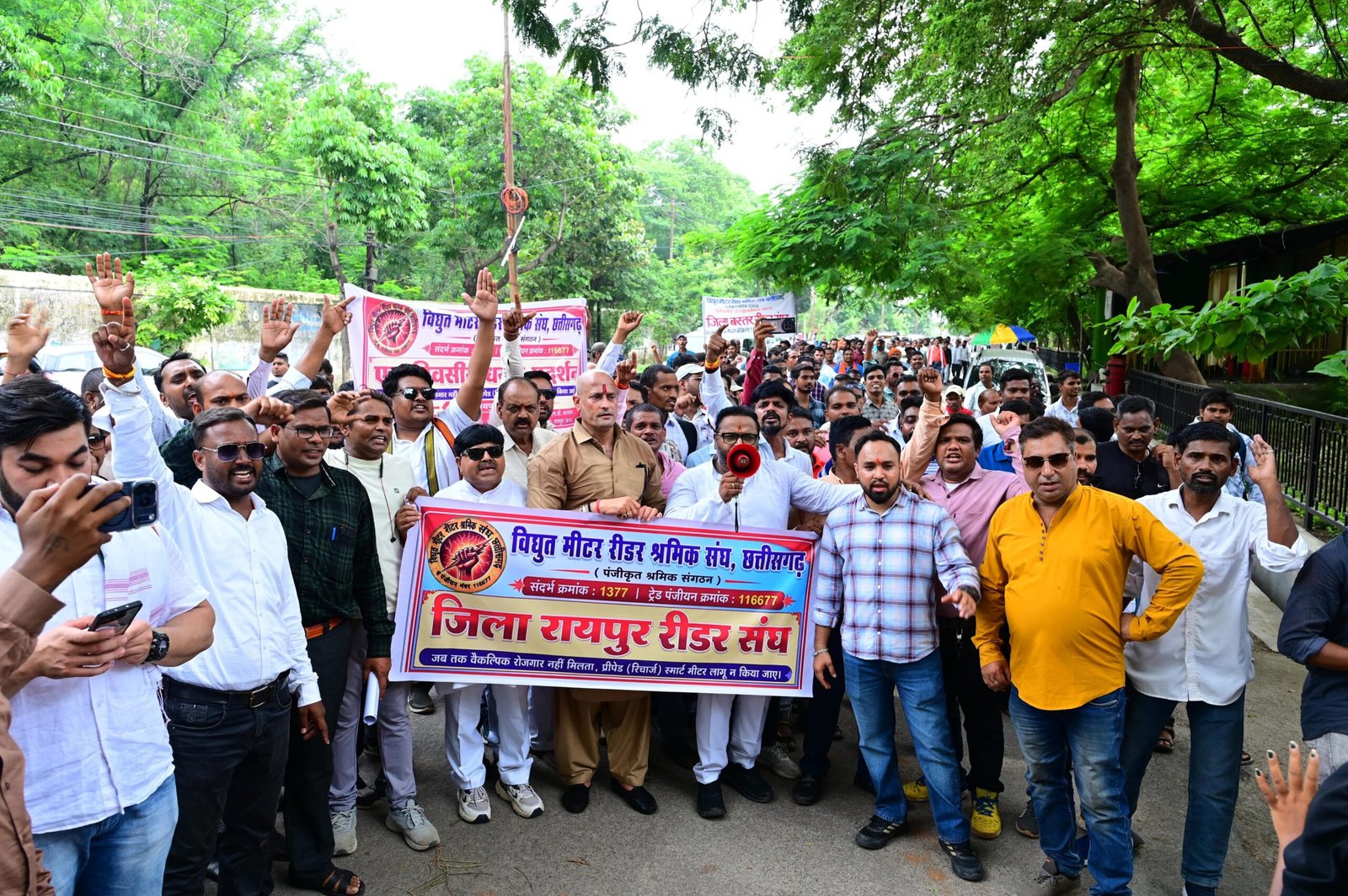
Until then, student demonstrations and political protests are expected to continue, while Parliament is likely to witness further debate over examination reforms and accountability.
Note: The demands and positions described above are those attributed to the respective organizations and political representatives involved in the discussions. Final government decisions had not been announced at the time of reporting.