

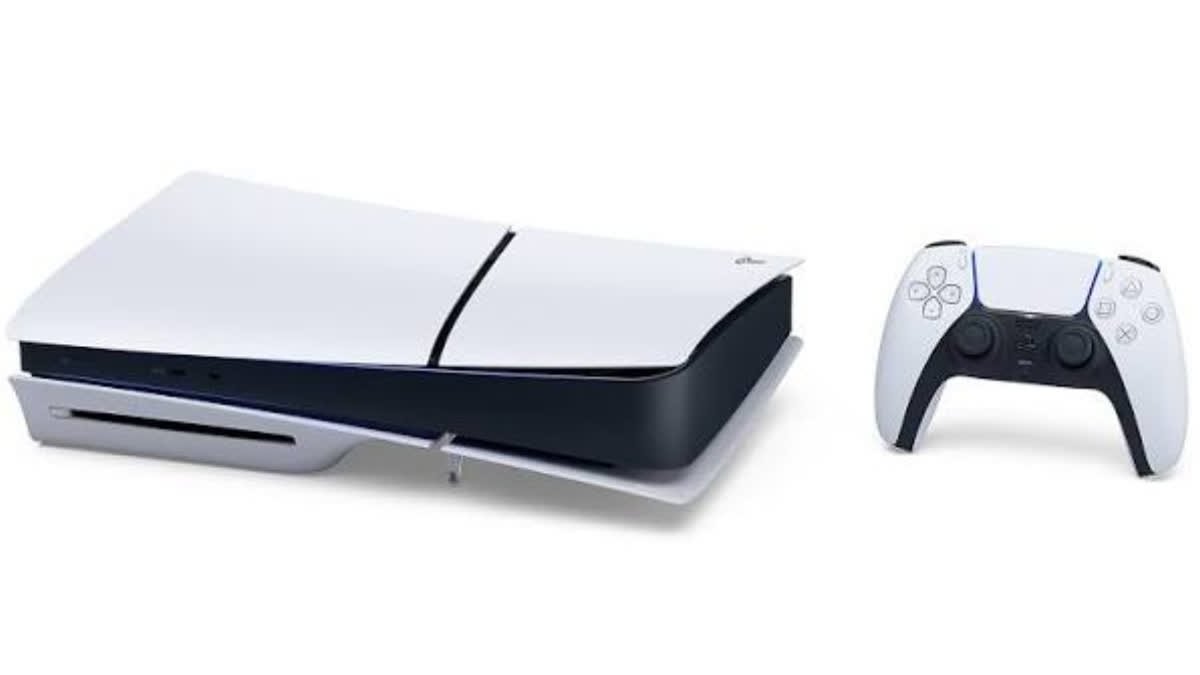

Sony’s next-generation gaming console could become significantly more expensive than previous PlayStation systems, according to a new hardware leak. Rising RAM and storage costs are fueling speculation about a premium price tag, but Sony has yet to confirm the PS6’s price, release date, or specifications.
NEW YORK — October 20, 2026: Gamers hoping to upgrade to Sony’s next-generation console may need to prepare for a much larger expense. The upcoming PlayStation 6 (PS6) could cost more than $1,000 at launch, according to recent reports based on claims from hardware leaker KeplerL2.
The speculation comes as memory and storage component prices continue to rise, increasing the potential manufacturing costs of next-generation gaming hardware. A recent post on the NeoGAF gaming forum claims that the combined cost of the PS6’s RAM and NAND storage alone exceeds $680 per console.
However, Sony has not officially announced the PS6’s retail price, launch date, or final hardware configuration. The $1,000 figure remains an estimate rather than a confirmed price.
PS6 Price Could Exceed $1,000
The possibility of a four-figure price tag has become a major talking point among gaming enthusiasts.
According to reports citing KeplerL2, the PS6’s estimated bill of materials (BOM) may have approached $960 in an earlier projection. More recent claims suggest that rising memory and storage costs could push the total component cost beyond $1,000.
The BOM represents the estimated cost of the parts required to manufacture a product. For a gaming console, this can include its processor, graphics hardware, memory, storage, motherboard, cooling system, and other internal components.
Importantly, the BOM is not the same as the final retail price. It generally does not account for every expense associated with manufacturing, distribution, marketing, taxes, and retail sales.
Sony could choose to absorb some of these costs to make the console more affordable. However, doing so would put additional pressure on the company’s profit margins.
If component prices remain elevated when the PS6 enters production, Sony could face a difficult decision: launch the console at a premium price or accept lower profits to attract more buyers.
Rising RAM and SSD Costs Are Driving Concerns
One of the biggest concerns surrounding the PS6 is the reported increase in the cost of memory and storage.
KeplerL2 claimed on NeoGAF that RAM and NAND storage together could cost more than $680 per console. The figure does not include the remaining hardware needed to build a complete gaming system.
The claim has attracted attention because memory and storage are essential components of modern gaming consoles. They influence game-loading speeds, system performance, data transfer rates, and the ability to handle increasingly complex games.
The reports also point to the rising cost of GDDR7 memory, with the leaker suggesting that prices could be substantially higher than earlier projections made when Sony and Microsoft began developing their next-generation console hardware.
The reported figures should be treated cautiously. No public Sony procurement document or independently verified component-cost breakdown has established that the PS6 will incur exactly these expenses.
Nevertheless, the claims highlight a broader challenge facing hardware manufacturers: designing a console around one set of component prices does not guarantee that those prices will remain stable until mass production begins.
Why AI Data Centers Could Affect Gaming Consoles
The growing demand for memory from artificial intelligence infrastructure has become an important concern for the consumer electronics industry.
AI data centers require substantial quantities of high-performance memory and storage. At the same time, manufacturers must supply smartphones, computers, graphics cards, servers, and gaming devices.
When demand outpaces available supply, component prices can rise, potentially increasing the cost of products that rely on the same manufacturing ecosystem.
For Sony, Microsoft, and other hardware companies, this creates uncertainty when planning the next generation of gaming systems.
However, the exact effect on PS6 manufacturing costs will depend on factors such as supply agreements, production volumes, memory specifications, and market conditions closer to launch.
A temporary price spike today does not necessarily mean the same costs will apply in 2027 or 2028.
When Will the PlayStation 6 Launch?
The PS6 has been rumored for a late 2027 release, with some reports also suggesting that a launch in early 2028 remains possible.
Neither window has been officially confirmed by Sony.
The company has not announced a public release date for the next-generation console. As a result, reports suggesting that the PS6 will definitely arrive in late 2027 should be considered speculation.
The final timeline could depend on several factors, including hardware development, component availability, production readiness, and Sony’s commercial strategy.
Delaying a console could give manufacturers additional time to improve supply conditions or refine hardware. However, a delay would also affect the company’s product roadmap and the timing of its next-generation gaming ecosystem.
For now, gamers should not treat late 2027 or early 2028 as a confirmed launch window.
PS6 Specifications: 32GB RAM and 2TB SSD Could Be Possible
Although Sony has not revealed the PS6’s hardware specifications, several configurations have been discussed in online reports and gaming communities.
One frequently mentioned possibility is a system featuring 32GB of RAM and a 2TB solid-state drive (SSD).
Other speculative configurations include 40GB of RAM with 1TB of storage, or larger 3TB and 4TB storage options.
None of these configurations has been confirmed by Sony.
A larger memory pool could help a future console handle more demanding game assets, complex environments, and advanced graphics techniques. Meanwhile, a high-speed SSD could reduce loading times and support the increasingly large files associated with modern games.
However, greater capacity does not automatically guarantee better performance. The console’s processor, graphics architecture, memory bandwidth, software optimization, and storage speed would all contribute to the final gaming experience.
The same applies to 4K gaming. Although 4K support is a reasonable expectation for a next-generation console, its performance will depend on the game and the hardware design. Sony has not announced official PS6 performance targets.
Could the PS6 Be a Digital-Only Console?
Another question concerns whether Sony’s next console will include a physical disc drive.
Speculation about a digital-only PS6 has gained attention amid changes in the gaming industry’s distribution model. Digital purchases, online storefronts, and subscription services have become increasingly important to console businesses.
Sony has announced that physical disc production for new games released on PlayStation consoles will end starting in January 2028. According to the company’s announcement, new releases after that date will be distributed digitally.
However, this policy concerns the production of physical game discs. It does not, by itself, establish that the PS6 will lack a disc drive.
Sony has not confirmed whether the PS6 will launch with a built-in drive, offer a detachable drive, or be available exclusively as a digital system.
Gamers who prefer collecting physical games should wait for official hardware details before assuming that disc-based gaming will disappear from the next console generation.
What About Microsoft’s Next-Generation Xbox?
Sony is not the only company facing questions about the cost of future gaming hardware.
Microsoft is also developing its next-generation gaming platform, referred to in reports as Xbox Project Helix.
If memory and storage prices remain high, Microsoft could encounter similar cost pressures while planning its future system.
Nevertheless, the effect on each company could differ depending on its hardware design, component contracts, production scale, and pricing strategy. There is currently no confirmed retail price for Project Helix that establishes how much it will cost compared with the PS6.
The competition between Sony and Microsoft could become particularly important if next-generation consoles enter the market at substantially higher prices than their predecessors.
Will a $1,000 Price Hurt PS6 Sales?
A price above $1,000 could create a significant barrier for mainstream gamers.
Consoles have traditionally appealed to consumers who want a convenient gaming experience without paying the potentially higher cost of building a powerful gaming PC. A four-figure price could weaken that advantage for some buyers.
Higher prices might also encourage gamers to keep using their existing PS5 systems for longer, wait for discounts, or purchase a next-generation console several months after launch.
However, the effect on sales would depend on more than price alone. Exclusive games, backward compatibility, performance improvements, subscription benefits, and the availability of competing products would all influence consumer demand.
It is therefore too early to conclude that the PS6 will sell fewer units than previous PlayStation consoles. That remains a prediction, not an established outcome.
What Gamers Should Know Before the Launch
For now, the most important distinction is between reported hardware costs and confirmed product details.
The claim that RAM and NAND storage could cost more than $680 comes from a hardware leaker, not an official Sony announcement. The projected $1,000-plus retail price is an inference based on those reported costs.
Similarly, the late 2027 launch window, 32GB RAM configuration, 2TB SSD, and digital-only design remain unconfirmed.
Sony’s final decisions will depend on its hardware plans, component costs, manufacturing strategy, and the market conditions prevailing when the console is ready to launch.
Until the company releases official information, gamers should view the current figures as early estimates rather than final specifications.
Final Verdict
The PlayStation 6 could become a significantly more expensive console if memory and storage costs remain high. A retail price exceeding $1,000 is possible, but it has not been confirmed.
A late 2027 or early 2028 release is also being discussed, yet Sony has not announced an official launch date. The reported 32GB RAM and 2TB SSD configuration remains speculative, and the claim that the console will be digital-only has not been established.
For gamers planning their next upgrade, the best approach is to wait for Sony’s official announcement before setting a budget or making purchasing decisions.
Bottom line: The PS6’s potential price is a developing story driven by hardware-cost concerns and industry leaks. Until Sony confirms the details, the rumored price, launch date, and specifications should be treated as unverified information.
Sources: Video Games Chronicle, TechRadar, and the NeoGAF forum discussion citing hardware leaker KeplerL2; Sony’s official PlayStation Blog announcement regarding physical disc production. All PS6 pricing and specification figures in this article remain unconfirmed unless explicitly identified as official policy.