
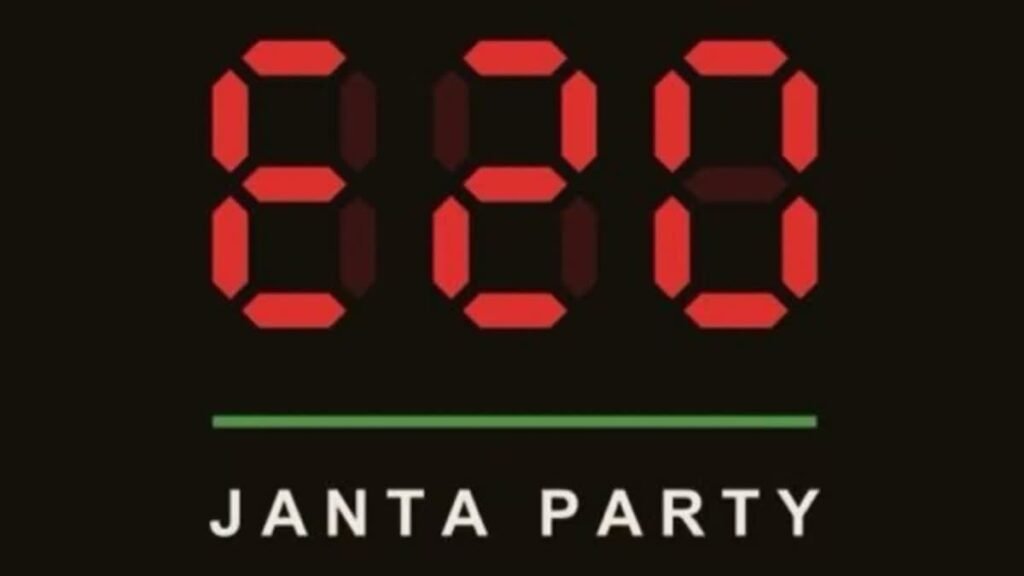
New Delhi, July 26, 2026: A new social media-driven campaign known as the E20 Janata Party has entered the national spotlight, demanding that consumers be given the option to purchase 100% pure petrol alongside E20 ethanol-blended fuel at petrol stations across India. The campaign describes itself as a consumer rights movement advocating for greater transparency, informed choice, and fuel policy accountability.
The emergence of the campaign comes shortly after the highly publicized activities of the Cockroach Janata Party (CJP), whose satirical movement over the NEET examination paper leak controversy gained nationwide attention. Inspired by CJP’s social media strategy, the E20 Janata Party is now using memes, satire, and online engagement to raise awareness about fuel-related consumer concerns.
Campaign Demands Greater Consumer Choice
According to posts shared on social media platform X, the E20 Janata Party states that it is not opposing ethanol-blended fuel or seeking subsidies or free fuel. Instead, the campaign argues that motorists should have the freedom to choose between E20 petrol and 100% pure petrol based on their vehicle requirements and personal preferences.
Its key demands include:
- Availability of both E20 fuel and 100% pure petrol at every fuel station.
- Clear labeling of different fuel blends.
- Public disclosure of scientific data regarding mileage, engine performance, emissions, maintenance costs, and long-term vehicle durability.
- Independent research into the effects of ethanol-blended fuels, with findings made accessible to the public.
- Greater transparency in India’s fuel policy and consumer education.
The campaign emphasizes that consumers should receive complete information before making fuel-related decisions rather than being limited to a single available option.
Concerns Raised by Vehicle Owners
The campaign says it has received feedback from many vehicle owners who have expressed concerns regarding:
- Reduced fuel efficiency (mileage).
- Potential engine wear and performance issues.
- Higher maintenance expenses.
- Possible long-term impact on older vehicles not originally designed for higher ethanol blends.
The group argues that independent technical studies should evaluate these concerns so consumers can make informed choices.
American Experts Comment on the Debate
To provide an international perspective, American automotive engineer Michael Anderson of Michigan and consumer policy researcher Sarah Collins of Washington, D.C., shared their views on the discussion surrounding fuel choices.
Michael Anderson said:
“Many countries successfully use ethanol-blended fuels, but offering multiple fuel options and ensuring compatibility with different vehicle models can improve consumer confidence and protect older engines.”
Sarah Collins added:
“Transparency is essential in public policy. When governments introduce new fuel standards, consumers benefit from clear labeling, independent research, and access to reliable information that helps them make informed decisions.”
Inspired by the Cockroach Janata Party
The campaign’s style closely resembles that of the Cockroach Janata Party (CJP), which began in May 2026 as a satirical online initiative before evolving into a larger public movement surrounding the NEET paper leak issue.
Following a similar approach, the E20 Janata Party has adopted humor and viral social media messaging to attract supporters. One of its recent posts referenced a message by Abhijeet Dipke, asking:
“What if all bike and car owners came together?”
The wording intentionally mirrors an earlier viral CJP slogan that asked:
“What if all cockroaches came together?”
The campaign hopes this strategy will encourage wider public discussion on fuel choice, consumer rights, and government transparency.
A Growing Public Policy Discussion
While the E20 Janata Party currently operates as an online consumer rights campaign rather than a recognized political party, it has generated considerable discussion about India’s ethanol-blending policy, vehicle compatibility, and consumer freedom of choice.
As conversations around cleaner fuels and energy security continue, the campaign has added a new dimension to the national debate by calling for greater consumer participation, transparent policymaking, and the availability of multiple fuel options for motorists across the country.