


More than 100 refinery samples and 80 distillery samples tested; retail-level testing finds chloride levels largely within prescribed limits
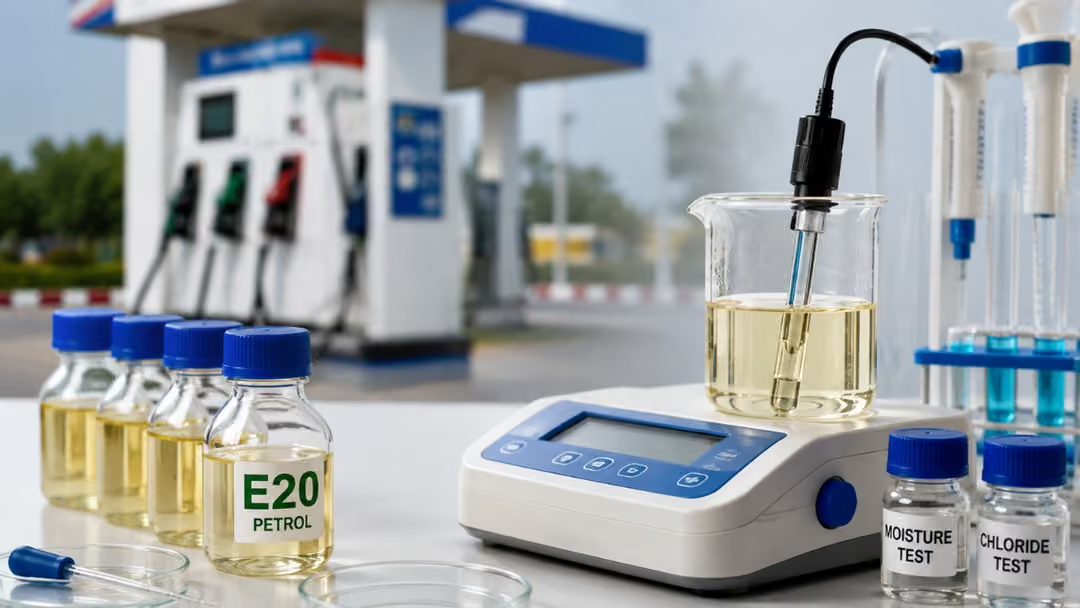
New Delhi : India’s Oil Marketing Companies (OMCs) have intensified nationwide quality testing of Ethanol-Blended Motor Spirit (EBMS), commonly known as E20 petrol, following recent media reports raising concerns about the presence of moisture and chloride in fuel.
According to the OMCs, extensive additional testing conducted across the entire fuel supply chain has found that fuel quality remains within prescribed specifications. The companies said the results do not validate claims of widespread contamination and that there is currently no cause for concern regarding fuel quality.
The intensified testing has covered refineries, ethanol-producing distilleries, depots, terminals, tank trucks and retail outlets across the country.
OMCs Say Fuel Quality Remains a Top Priority
The OMCs said fuel quality and consumer safety remain among their highest priorities and that any issue potentially affecting vehicle performance or consumer confidence is investigated through scientific testing and corrective action.
The companies have also strengthened their existing quality-assurance mechanisms in response to the recent reports.
The Government of India has prescribed a strict chloride specification for ethanol used in petrol blending and has established a high-frequency monitoring system to ensure compliance throughout the supply chain.
Chloride Monitoring Expanded Across the Supply Chain
Chloride levels are being monitored at multiple stages, including:
- Refineries
- Ethanol distilleries
- Depots and terminals
- Tank trucks
- Retail outlets
According to the OMCs, this multi-stage monitoring is designed to identify any deterioration in fuel quality before it reaches consumers.
In addition to existing quality-control protocols, companies have increased surveillance at retail outlets, including more frequent water-ingress and density tests.
More Than 100 Refinery Samples Show Chloride at or Below 1 ppm
As part of the intensified testing program, more than 100 randomly selected petrol samples were collected and tested at various refineries.
The OMCs said all tested samples recorded chloride levels at or below 1 ppm.
The companies said these results demonstrate that the existing refining, quality-control and fuel-dispatch systems continue to effectively control chloride levels.
The findings also contradict claims of widespread chloride contamination running into several hundred parts per million.
80 Distilleries Tested for Ethanol Quality
The testing program has also been extended to the ethanol production stage, since ethanol is the principal blending component in E20 petrol.
A dedicated task force comprising representatives from OMCs and the Centre for High Technology (CHT) reportedly tested ethanol samples from 80 distilleries across the country during the past 10 days.
According to the OMCs, all samples recorded chloride levels below 3 ppm.
The companies said the results indicate that ethanol supplied from distilleries is consistently meeting the required quality standards.
Depot and Terminal Samples Also Within Limits
Testing has also been conducted at oil depots and terminals, where ethanol and E20 petrol are stored and transferred through the distribution network.
More than 80 samples collected from OMC terminals across different parts of the country were tested.
The OMCs said chloride levels in all these samples were below 3 ppm, indicating that the fuel quality remained within prescribed limits while moving through the storage and transportation system.
Retail Outlet Testing Intensified
Retail outlets have been placed under particularly close monitoring as part of the enhanced surveillance program.
The OMCs said more than 1,000 samples have been collected under the intensified testing initiative. Of these, 160 test reports had been analyzed for chloride content in the initial phase.
The analyzed samples recorded chloride levels in the range of 0–3 ppm, according to the companies.
The findings, they said, are significantly different from recent claims alleging chloride concentrations of several hundred ppm.
Four Isolated Cases Detected and Supplies Suspended
The intensified surveillance system did identify four isolated instances where elevated chloride levels were detected at retail outlets.
The OMCs said supplies from these locations were immediately suspended.
Detailed root-cause analyses were subsequently initiated, and corrective measures were implemented before supplies were restored.
The companies said this response demonstrates the effectiveness of their monitoring mechanism in identifying and addressing isolated quality issues.
Mobile Fuel Testing Laboratories Deployed
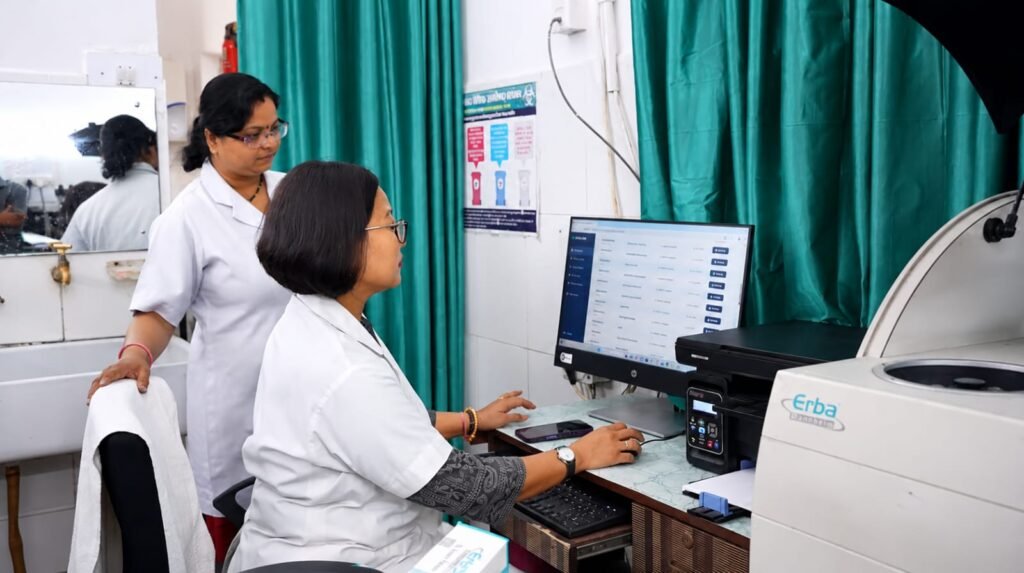
To further strengthen quality assurance, mobile fuel quality testing laboratories have also been deployed at various locations.
Test results are being subjected to independent validation through fuel laboratories, according to the OMCs.
The companies said the combination of frequent field testing, laboratory validation and supply-chain monitoring provides multiple layers of protection against fuel-quality deviations.
Moisture and Water Ingress Also Under Surveillance
In addition to chloride testing, OMCs have increased surveillance for water ingress, which can affect fuel quality and potentially contribute to vehicle-performance concerns.
Retail outlets are conducting water-ingress and density tests multiple times a day, with the companies stating that such checks are being carried out approximately 8–12 times daily at each retail outlet under the enhanced monitoring program.
This is intended to identify potential contamination or abnormal fuel characteristics at the retail level at an early stage.
OMCs Reassure Consumers
Based on the additional testing conducted so far, the OMCs have maintained that E20 petrol distributed through their marketing infrastructure continues to meet prescribed quality requirements.
The companies emphasized that isolated deviations, when detected, are being addressed immediately through suspension of supplies, investigation, corrective action and subsequent validation.
The intensified testing program is expected to continue as part of the broader effort to maintain fuel quality, consumer confidence and vehicle-performance standards across India’s expanding ethanol-blended petrol network.
Key Findings at a Glance
- 100+ refinery samples recorded chloride levels of 1 ppm or below.
- Ethanol samples from 80 distilleries recorded chloride levels below 3 ppm.
- More than 80 depot/terminal samples also recorded chloride levels below 3 ppm.
- 1,000+ retail samples have been collected under intensified surveillance.
- 160 retail test reports analyzed so far showed chloride levels between 0 and 3 ppm.
- Four isolated cases of elevated chloride were identified and supplies were temporarily suspended.
- Mobile testing laboratories and independent laboratory validation have been deployed.
- OMCs say the available testing does not support claims of widespread chloride contamination in E20 petrol.
The OMCs have reiterated that continuous scientific monitoring across the supply chain will remain a key component of India’s fuel-quality assurance system as E20 petrol adoption expands.