

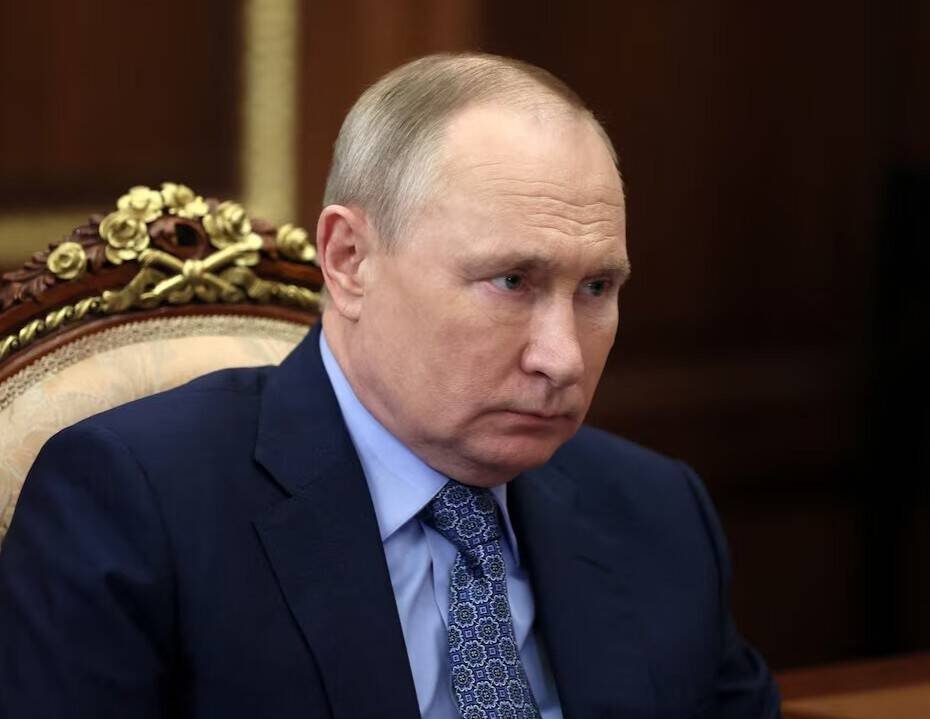

Moscow — Russian President Vladimir Putin’s highly sensitive surveillance system was reportedly temporarily shut down following concerns that similar technologies used in the assassination of Iran’s former Supreme Leader, Ayatollah Ali Khamenei, could pose a threat to Russian leadership security.
According to a report by the Financial Times, Russian security officials ordered a temporary suspension of a special surveillance network dedicated to protecting Putin and his closest associates after intelligence assessments highlighted the growing risks posed by AI-powered surveillance and cyber intrusions. The system was restored only after engineers conducted extensive security checks and disconnected it from internet access.
The move comes months after reports emerged that Israeli intelligence agencies had allegedly spent years infiltrating Tehran’s extensive network of traffic and security cameras, using advanced artificial intelligence tools to analyze enormous volumes of video footage and track the movements of Khamenei and members of his security detail. Investigators reportedly used the data to establish detailed “patterns of life,” including travel routes, schedules, and security procedures.
According to the Financial Times investigation, nearly all major traffic cameras in Tehran had allegedly been compromised, with surveillance footage transmitted to external servers. Advanced algorithms were then used to identify behavioral patterns and monitor individuals connected to Iran’s leadership circle.
Russian officials reportedly viewed the operation as a warning about the vulnerabilities of modern surveillance systems. Sources familiar with the matter told the Financial Times that Putin’s protective camera network is separate from Moscow’s broader citywide surveillance infrastructure, which includes approximately 300,000 cameras used for public monitoring and law enforcement purposes.
Security experts say the incident highlights a growing trend in modern intelligence operations, where artificial intelligence, cyber espionage, and networked surveillance systems are increasingly being integrated into military and intelligence strategies. Modern AI tools can rapidly analyze millions of hours of video footage, identify behavioral patterns, track movements, and connect information from cameras, mobile devices, drones, and other digital sources.
The reported shutdown underscores rising concerns among governments worldwide about the security of internet-connected surveillance infrastructure. Experts warn that systems originally designed for public safety can become potential intelligence targets if cybersecurity protections are insufficient.
While Russian authorities have not publicly detailed the specific security measures implemented, the episode reflects increasing anxiety among global leaders over the rapidly evolving capabilities of AI-driven surveillance, cyber warfare, and digital intelligence gathering in an era of escalating geopolitical tensions.