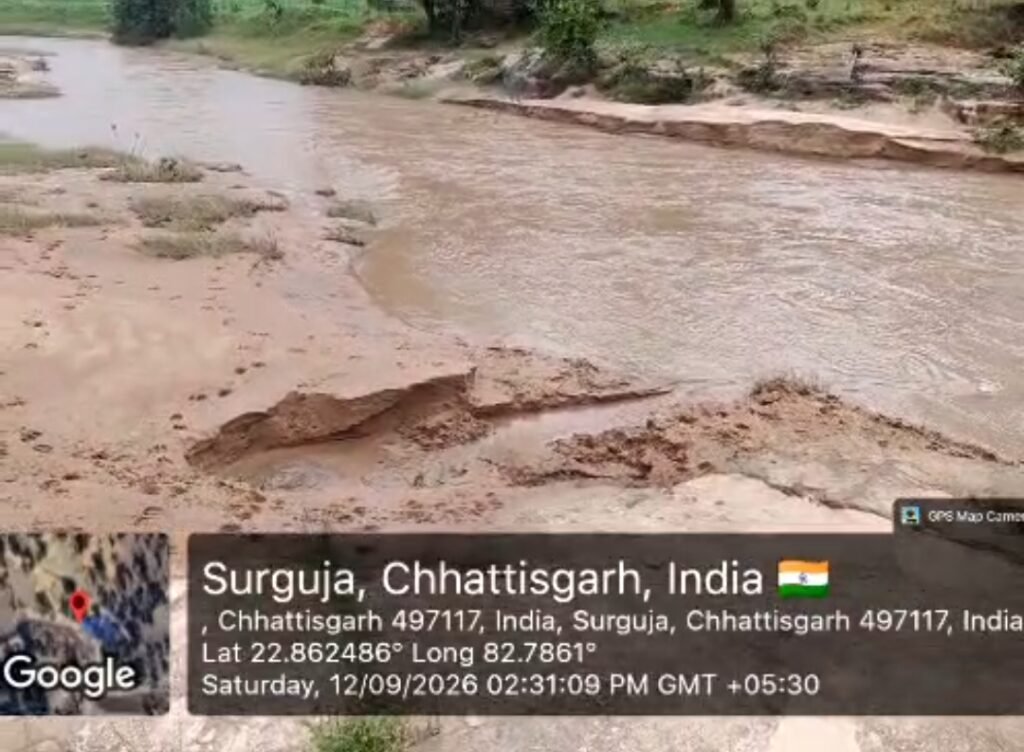



Kanker, Chhattisgarh, India: A serious malaria outbreak in North Bastar’s Kanker district has prompted the Chhattisgarh Government to launch an emergency response after two students died from the disease and multiple new infections were detected in residential hostels. With the onset of the monsoon season, health authorities say the spread of malaria, particularly the dangerous Plasmodium falciparum strain, has become a major public health concern.
According to the Health Department, two student deaths have been officially linked to cerebral malaria, while at least 14 students from different hostels have tested positive for malaria in recent days. Authorities have intensified surveillance, medical screening, and treatment efforts across affected areas.
Health Minister Conducts Emergency Review
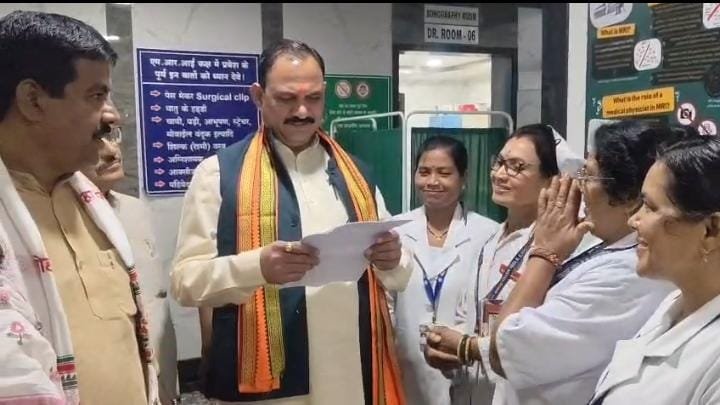
Responding to the worsening situation, Chhattisgarh Health Minister Shyam Bihari Jaiswal and Health and Family Welfare Secretary Amit Kataria visited Kanker district to assess the outbreak.
The Health Minister chaired a two-hour review meeting at the District Panchayat Auditorium, attended by health officials from all districts of the Bastar division. During the meeting, officials reviewed the current situation, preventive measures, and treatment facilities.
The Minister instructed authorities to:
- Accelerate malaria surveys and testing in affected villages.
- Strengthen medical treatment campaigns in high-risk areas.
- Conduct special monitoring in hostels, ashrams, and remote rural communities.
- Ensure timely diagnosis, medicine distribution, and adequate healthcare services.
- Increase public awareness regarding mosquito-borne diseases and sanitation.
The Minister emphasized that the government’s “Malaria-Free Bastar” campaign would be implemented on a war footing, warning that no negligence would be tolerated.
Two Students Lose Their Lives
Health officials confirmed that a nine-year-old girl from Domaharra village and a student from Mardapoti Hostel died after contracting cerebral malaria, one of the most severe complications of the disease.
Following the deaths, health teams launched an extensive screening campaign in nearby hostels, where 14 students were found to be malaria positive and immediately placed under treatment.
District Health Officials Confirm Outbreak
Chief Medical and Health Officer (CMHO) Dr. R.C. Thakur confirmed that the district is currently experiencing a malaria outbreak.
According to Dr. Thakur, malaria patients are being reported from multiple blocks across the district. Health workers have been instructed to conduct door-to-door screening, particularly in villages, hamlets, hostels, and residential schools.
Patients showing mild symptoms are being treated immediately, while those with serious complications are being admitted to hospitals for specialized care.
Dr. Thakur also warned residents that the current weather conditions are highly favorable for mosquito breeding, urging communities to:
- Remove stagnant water from drains and pits.
- Maintain clean surroundings.
- Use mosquito nets consistently.
- Seek early medical testing if fever develops.
Two New Cases Found at Mardapoti Hostel
During inspections at Mardapoti Hostel, health teams identified two additional students with malaria symptoms after examining 42 children.
Health officials administered medication immediately and confirmed that the infections are linked to Plasmodium falciparum, the parasite responsible for the deadliest form of malaria.
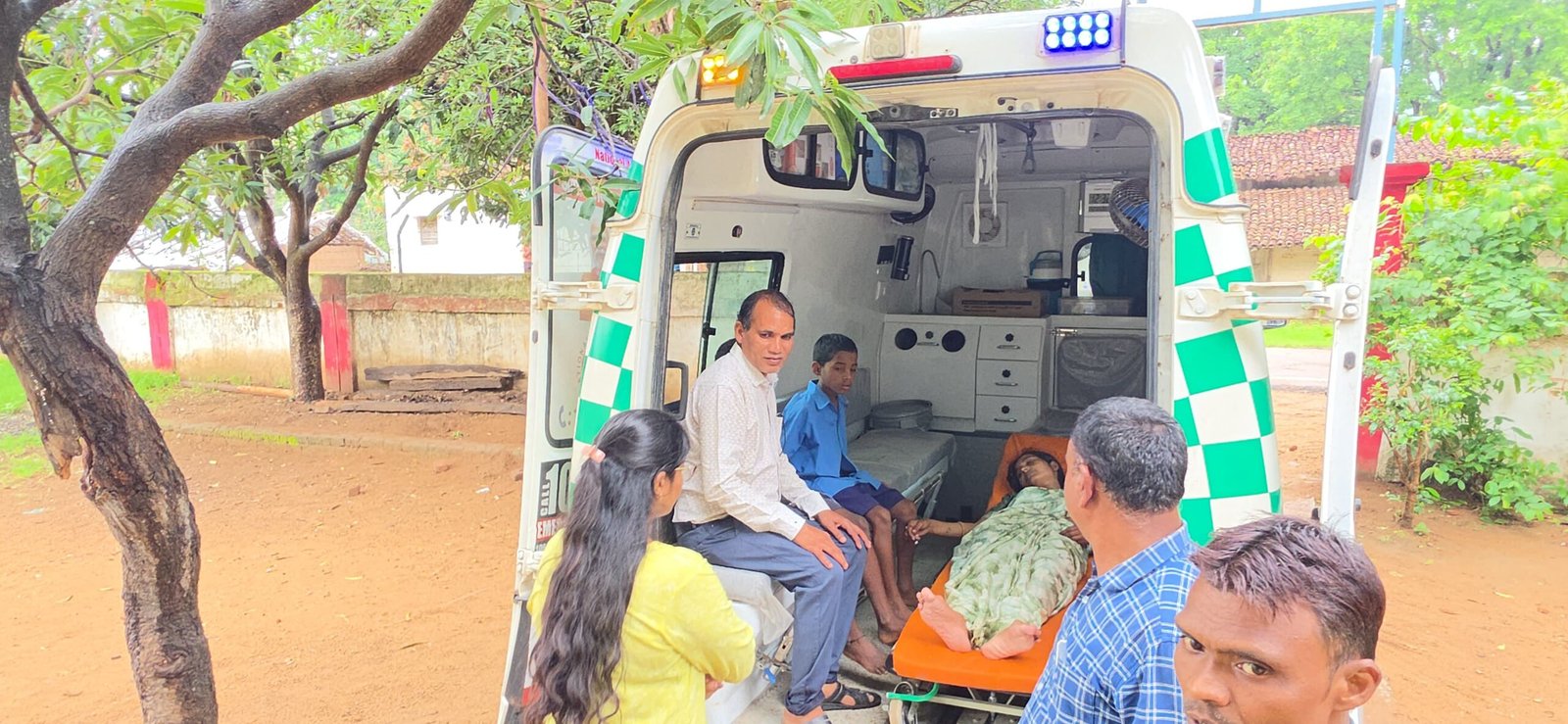
During the inspection, two children also experienced vomiting and diarrhea, while a female teacher suddenly became ill and was transported to a nearby hospital by ambulance.
Officials later clarified that the teacher had an existing neurological condition and was already receiving treatment unrelated to malaria.
Hostel Implements Stronger Safety Measures
To prevent further infections, hostel authorities have strengthened mosquito-control measures by:
- Installing additional mosquito nets.
- Reinforcing window screens.
- Conducting insecticide spraying around the campus.
- Increasing health monitoring of students.
- Coordinating daily with medical teams.
According to Hostel Superintendent Yashwant Ram Guna, malaria cases first appeared on July 21, with the number of infected students gradually increasing despite continuous monitoring.
He stated that one student later died despite receiving treatment, prompting health teams to remain stationed at the hostel for ongoing surveillance.
Public Health Advisory
Health officials are urging residents throughout Kanker district to remain vigilant during the rainy season by following basic preventive measures:
- Do not allow water to accumulate around homes.
- Cover or clean open drains.
- Sleep under insecticide-treated mosquito nets.
- Apply mosquito repellent creams on exposed skin.
- Wear long-sleeved clothing and full-length trousers.
- Install window and door screens.
- Visit the nearest health center immediately if experiencing fever, chills, headache, or body aches.
Doctors explained that while mild malaria can often be treated successfully with prompt medication, falciparum malaria requires urgent medical attention, including hospitalization and, in severe cases, injectable treatment under close medical supervision.
American Experts Weigh In
Dr. Emily Carter, an infectious disease specialist from Boston, Massachusetts, said the outbreak demonstrates the importance of early detection and rapid community screening.
“Falciparum malaria can become life-threatening very quickly, especially in children. Immediate diagnosis, proper treatment, and mosquito control are essential to preventing further deaths,” Dr. Carter said.
Michael Reynolds, a public health researcher from Atlanta, Georgia, noted that residential schools and hostels require enhanced protection during the monsoon.
“Whenever children live together in high-risk regions, aggressive mosquito control, routine testing, and public education become critical. Preventive measures can save many lives,” Reynolds commented.
Current Situation
Health authorities continue conducting house-to-house malaria testing, monitoring hostels, and expanding surveillance throughout Kanker district. The Chhattisgarh Government has pledged to intensify prevention efforts until the outbreak is brought under control, while medical teams remain deployed in the affected communities to prevent additional fatalities.