


Bengaluru |: Political tensions have intensified within the Karnataka Congress following the recent Cabinet expansion, with several legislators expressing disappointment over being left out of the new ministry. Responding firmly to reports of resignation threats, Chief Minister D.K. Shivakumar stated that the party’s interests come first and warned that any resignation submitted by a dissatisfied legislator would be accepted “within a minute.”
The remarks came amid growing dissatisfaction among Congress MLAs and their supporters, who have been demanding representation in the state Cabinet after the latest ministerial appointments.
Chief Minister Sends Strong Message to Dissatisfied MLAs
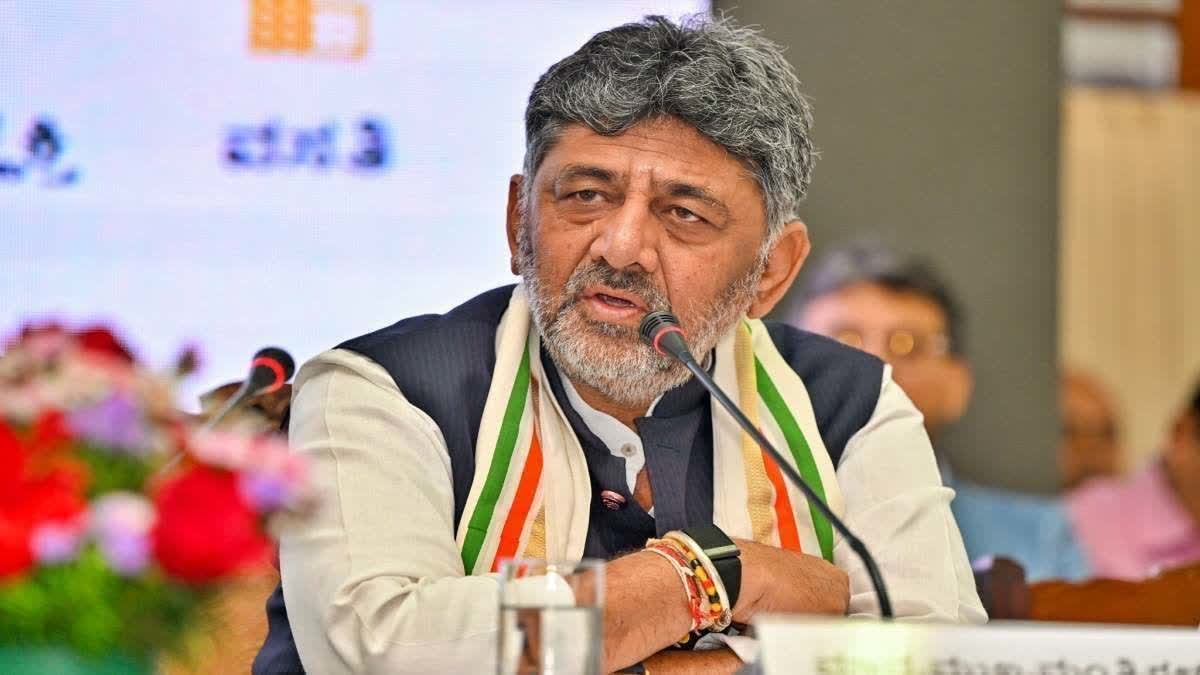
Speaking to the media in Sadashivanagar, Bengaluru, D.K. Shivakumar urged party legislators to exercise patience instead of reacting emotionally over ministerial appointments.
Addressing the reports of resignation threats, he said that resignations are a part of politics but emphasized that party unity must remain the top priority.
“Politics always witnesses resignations. Nobody can stop anyone from resigning. But if leaders care about the party and their political future, they must remember that the party comes first. If the party exists, everything else follows,” Shivakumar said.
He added that if any MLA decides to resign, the resignation would be accepted without delay, signaling a firm stance against internal pressure tactics.
Calls for Patience, Cites His Own Political Journey
Shivakumar reminded party colleagues that political careers require patience and perseverance.
He recalled that he himself was not inducted as a minister during the tenure of former Chief Ministers Dharam Singh and Siddaramaiah, yet he remained committed to the party.
The Chief Minister also cited senior Congress leaders, including Mallikarjun Kharge, S. Bangarappa, and Dharam Singh, noting that many experienced leaders had initially missed ministerial opportunities before later holding key positions, including the office of Chief Minister.
According to Shivakumar, these examples demonstrate that political patience eventually yields opportunities.
Board and Corporation Appointments to Be Made Soon
To address concerns among legislators, Shivakumar announced that appointments to various government boards and corporations would be undertaken shortly.
He explained that members and chairpersons currently serving on these bodies had been informed that their tenure would last two-and-a-half years, and the government is now preparing to initiate the process of fresh appointments.
The Chief Minister said he would first request existing office-bearers to step down before discussing the allocation of these positions with party legislators on an individual basis.
The move is expected to provide organizational responsibilities to leaders who were not accommodated in the Cabinet.
Cabinet Expanded with 19 New Ministers
The controversy follows the Cabinet expansion carried out on Monday, nearly two months after D.K. Shivakumar assumed office as Chief Minister.
A total of 19 new ministers were inducted into the state Cabinet, significantly reshaping the government’s executive team.
However, the expansion also left several aspirants disappointed, leading to public expressions of dissatisfaction from legislators and their supporters.
MLAs Express Discontent
Among the dissatisfied legislators, Indi MLA Yashavanthrayagouda V. Patil reportedly submitted his resignation from the Legislative Assembly after being overlooked for a ministerial berth.
Supporters of several ministerial aspirants also staged demonstrations in different parts of Karnataka, demanding Cabinet representation for their respective leaders.
Protests Outside KPCC Office
Supporters of senior Congress leaders, including Dinesh Gundu Rao, M. Krishnappa, and Priya Krishna, organized protests outside the Karnataka Pradesh Congress Committee (KPCC) office.
Expressing disappointment, Dinesh Gundu Rao said that party leaders should have explained the reasons behind excluding him from the Cabinet.
He also stated that members of his community were disappointed because, according to him, they had not received representation in the new ministry.
No Woman Minister in the Expanded Cabinet
One of the most debated aspects of the Cabinet expansion has been the absence of women ministers.
Out of the 34 sanctioned ministerial positions, 33 have been filled, yet no woman legislator has been included in the newly expanded Cabinet.
According to party sources, Gayathri Shanthegowda was reportedly considered under the women’s quota during discussions but was not included in the final list.
Following the announcement, several women legislators, including Deputy Speaker Umashree, Annapurna Tukaram, and Nayana Motamma, publicly expressed their expectation of being inducted into the ministry in future expansions.
Ministers Assigned District Responsibilities
Immediately after the Cabinet expansion, Chief Minister Shivakumar assigned district responsibilities to all newly appointed ministers to strengthen governance at the grassroots level.
The ministers have been directed to:
- Visit their allotted districts immediately
- Assess flood and drought conditions
- Meet local residents and hear their grievances
- Submit reports to the Revenue Department
- Coordinate relief and administrative measures
The Chief Minister also instructed ministers to involve legislators from all political parties during district inspections to ensure a comprehensive assessment of local issues.
Political Challenges Ahead
The Cabinet expansion has highlighted the challenge of balancing regional, community, and gender representation while accommodating the aspirations of numerous senior legislators within the Congress.
Although the leadership has appealed for patience and party discipline, the discontent among some MLAs and supporters indicates that managing internal expectations will remain a key political challenge for the Shivakumar-led government in the coming months.
The Congress leadership is expected to rely on appointments to government boards and corporations as well as future organizational responsibilities to address dissatisfaction and maintain unity within the ruling party.