

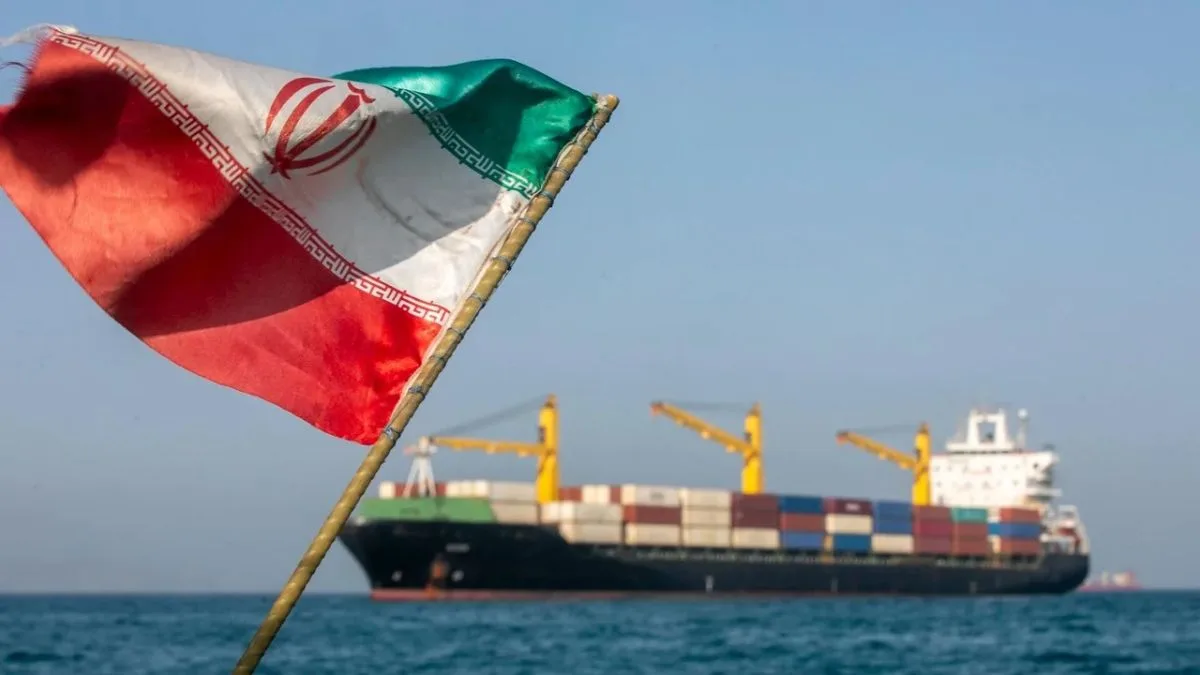

TEHRAN: Iran has laid out a sweeping list of conditions for reopening the strategically vital Strait of Hormuz, raising the stakes in ongoing diplomatic efforts involving Iran, the United States and Oman over access to the crucial international shipping route.
The latest Iranian position was outlined on Saturday by Mohammad Bagher Zolghadr, secretary of Iran’s Supreme National Security Council. He said Washington would first need to change its approach toward Tehran before Iran agrees to reopen the waterway.
The Strait of Hormuz, which connects the Persian Gulf with the Gulf of Oman and the Arabian Sea, is one of the world’s most important energy corridors. Any prolonged disruption to shipping through the strait could have significant consequences for global oil supplies, energy prices and international trade.
Iran’s Six Key Demands
Iran’s latest conditions go far beyond the immediate issue of reopening the waterway. Tehran is seeking broader changes in US military, economic and regional policies.
The demands include:
- End all US sanctions against Iran
Tehran wants Washington to remove the economic sanctions imposed on Iran. - Lift the naval blockade of Iranian ports
Iran is demanding that the United States end what Tehran describes as a naval blockade of its ports. - Pay compensation for war-related damage
Iran is seeking full reparations for damage caused during the conflict. - Withdraw US military forces from the region
Tehran wants the US military presence in the region to be brought to an end. - Stop attacks and threats involving Iran and its regional allies
Iran is demanding that Washington stop attacks on its regional allies and end what Tehran describes as threats against Iran itself. - Release frozen Iranian assets unconditionally
Tehran is also demanding the unconditional release of Iranian funds and assets currently frozen abroad.
Together, the demands represent a broad attempt to link the reopening of the Strait of Hormuz to the wider dispute between Washington and Tehran.
Strait Reopening Linked to Wider US-Iran Dispute
Iran’s latest position appears to go beyond earlier conditions associated with reopening the strategically important waterway.
Issues involving US sanctions, Iran’s nuclear program, regional military activity and frozen Iranian assets have previously been part of negotiations between Tehran and Washington.
By connecting these issues directly to the Strait of Hormuz, Iran has significantly increased the political and diplomatic stakes surrounding the shipping route.
Zolghadr used particularly firm language while describing Tehran’s position, indicating that Iran’s Supreme National Security Council would not abandon its position whether the country was facing war or engaged in negotiations.
His comments suggest that Tehran wants any agreement over the strait to be part of a broader change in US policy toward Iran, rather than a temporary arrangement focused solely on maritime traffic.
Strait of Hormuz Is Critical to Global Energy Markets
The strategic importance of the Strait of Hormuz makes the dispute particularly significant.
A substantial share of the world’s energy shipments passes through the narrow waterway, making it a critical artery for global oil and gas markets.
Any prolonged restriction on commercial shipping could increase uncertainty in international energy markets and potentially affect oil prices, transportation costs and global trade flows.
For that reason, governments and energy markets are closely monitoring diplomatic efforts aimed at preventing a prolonged disruption.
Vance Says Conflict Is Not Over
US Vice President JD Vance offered a more cautious assessment of the diplomatic situation.
Speaking to Fox News, Vance said the United States was using a combination of diplomatic, economic and military tools in an effort to secure what Washington considers the best possible outcome.
At the same time, he warned that the conflict was not yet over, signaling that significant differences remain between the two sides.
The White House has not publicly responded to Iran’s latest six-point list of demands, leaving a substantial gap between Tehran’s conditions and Washington’s publicly stated position.
Iran Says Oman Talks Are Close to Agreement
Meanwhile, Iranian Foreign Minister Abbas Araghchi struck a somewhat more optimistic tone regarding separate diplomatic discussions involving Oman.
Araghchi said Iran and Oman were “very close to an agreement.” However, he added that progress would depend on the United States honoring a memorandum of understanding signed by Iran and Oman in June.
Oman’s involvement is significant because the country has historically played a role in facilitating communication between Iran and the United States, particularly during periods of heightened tensions.
Diplomatic Breakthrough Still Uncertain
The latest developments highlight the difficult path toward an agreement over the Strait of Hormuz.
Iran is seeking concessions covering sanctions, military deployments, war reparations, regional conflicts and frozen financial assets, while Washington has yet to publicly endorse Tehran’s conditions.
With the strait remaining strategically important to global energy security, the outcome of the negotiations could have consequences well beyond the Middle East.
For now, diplomatic channels remain open, but the wide gap between Iran’s demands and the US position means that a comprehensive agreement remains uncertain.