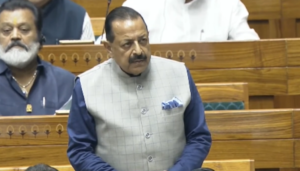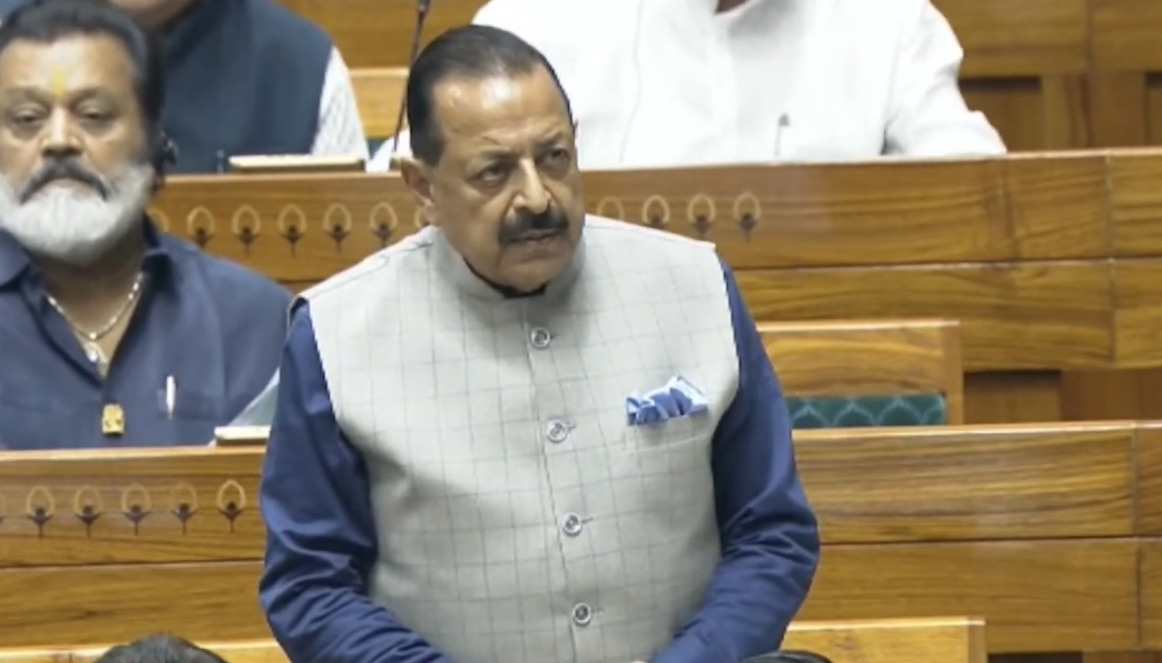


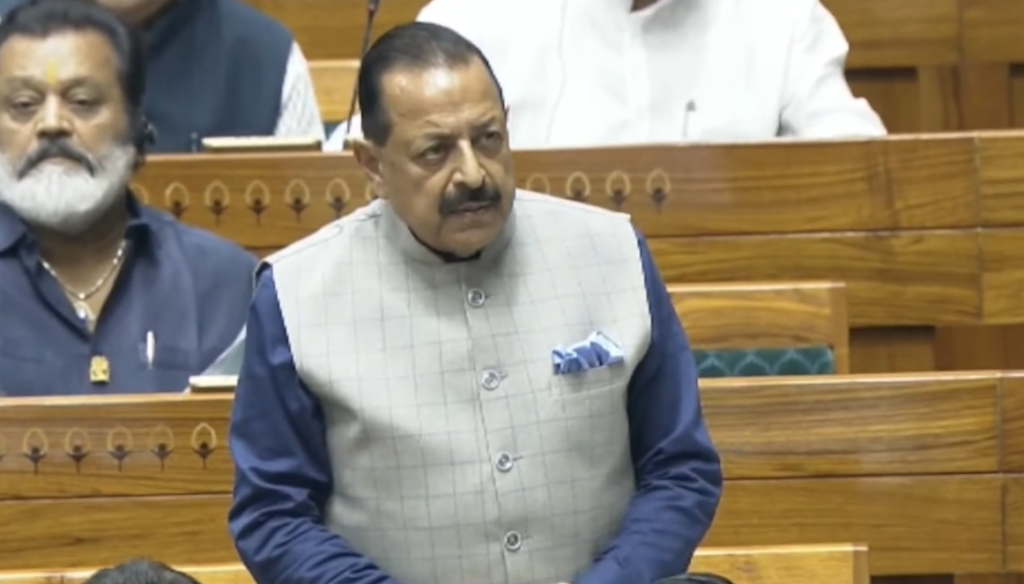
New Delhi |In a significant move to strengthen the integrity of India’s recruitment examination system, Union Minister Dr. Jitendra Singh on Monday introduced the Public Examinations (Prevention of Unfair Means) Amendment Bill, 2026 in the Lok Sabha. The proposed legislation aims to provide faster investigations, speedy trials, stricter punishments, and stronger enforcement mechanisms to curb examination-related crimes, including question paper leaks, impersonation, organized cheating, and other unfair practices.
The amendment seeks to reinforce the existing Public Examinations (Prevention of Unfair Means) Act, 2024, which was enacted to safeguard the fairness and credibility of public examinations conducted by the Central Government and its agencies.
Key Highlights of the Amendment Bill
Stronger Punishment for Offenders
The Bill proposes significantly tougher penalties for individuals found guilty of using unfair means during public examinations.
- Minimum imprisonment: Increased from 3 years to 5 years.
- Maximum imprisonment: Increased from 5 years to 10 years.
- Maximum fine: Raised from ₹10 lakh to ₹50 lakh.
The government believes these stricter punishments will serve as a strong deterrent against examination fraud.
Higher Penalties for Service Providers
Organizations or agencies involved in examination-related offences will also face harsher action.
The proposed amendments include:
- Maximum fine: Increased from ₹1 crore to ₹5 crore.
- Debarment from conducting public examinations: Extended from 4 years to 8 years.
Additionally, managerial personnel of such service providers found guilty may face:
- Imprisonment: 5 to 10 years.
- Fine: Up to ₹5 crore.
Tough Action Against Organized Crime
Recognizing the growing involvement of organized networks in examination fraud, the Bill introduces even stricter penalties.
For organized examination-related crimes, the punishment has been enhanced to:
- Minimum imprisonment: 7 years.
- Maximum imprisonment: 10 years.
- Maximum fine: Increased from ₹1 crore to ₹10 crore.
Fast-Track Investigation and Trial
One of the most significant features of the Amendment Bill is the introduction of a time-bound justice mechanism.
A new Section 12A proposes:
- Completion of investigation within 2 months.
- Special Fast Track Courts for day-to-day hearings.
- Trial to be completed within 3 months after filing the charge sheet.
- Appointment of Special Public Prosecutors for every Fast Track Court.
The Bill also empowers the Central Government to transfer investigations to a Special Task Force whenever necessary.
Time-Bound Appeals
Through the proposed Section 12B, appeals against judgments of the Special Fast Track Courts can be filed before the High Court within 30 days.
The High Court is expected to dispose of such appeals within three months, ensuring that examination-related cases do not remain pending for long periods.
Coverage of the Existing Act
The Public Examinations (Prevention of Unfair Means) Act, 2024 currently applies to examinations conducted by major Central Government recruitment agencies, including:
- UPSC
- SSC
- Railway Recruitment Boards (RRBs)
- IBPS
- National Testing Agency (NTA)
- Central Government Ministries and Departments, along with other notified authorities.
Under the existing law, offences are already classified as cognizable, non-bailable, and non-compoundable.
Government’s Objective
According to the government, the proposed amendments are intended to:
- Protect deserving and meritorious candidates.
- Prevent question paper leaks and organized examination fraud.
- Ensure quick investigation and speedy justice.
- Enhance transparency, accountability, and fairness in public recruitment examinations.
- Restore public confidence in India’s examination system.
Conclusion
The Public Examinations (Prevention of Unfair Means) Amendment Bill, 2026 represents one of the toughest legal measures proposed against examination malpractice in India. By introducing fast-track investigations, Special Fast Track Courts, stricter punishments, and time-bound appeals, the government aims to eliminate organized cheating networks and strengthen the credibility of public examinations across the country. If passed by Parliament, the legislation is expected to provide a more robust legal framework to safeguard the future of millions of aspiring candidates.