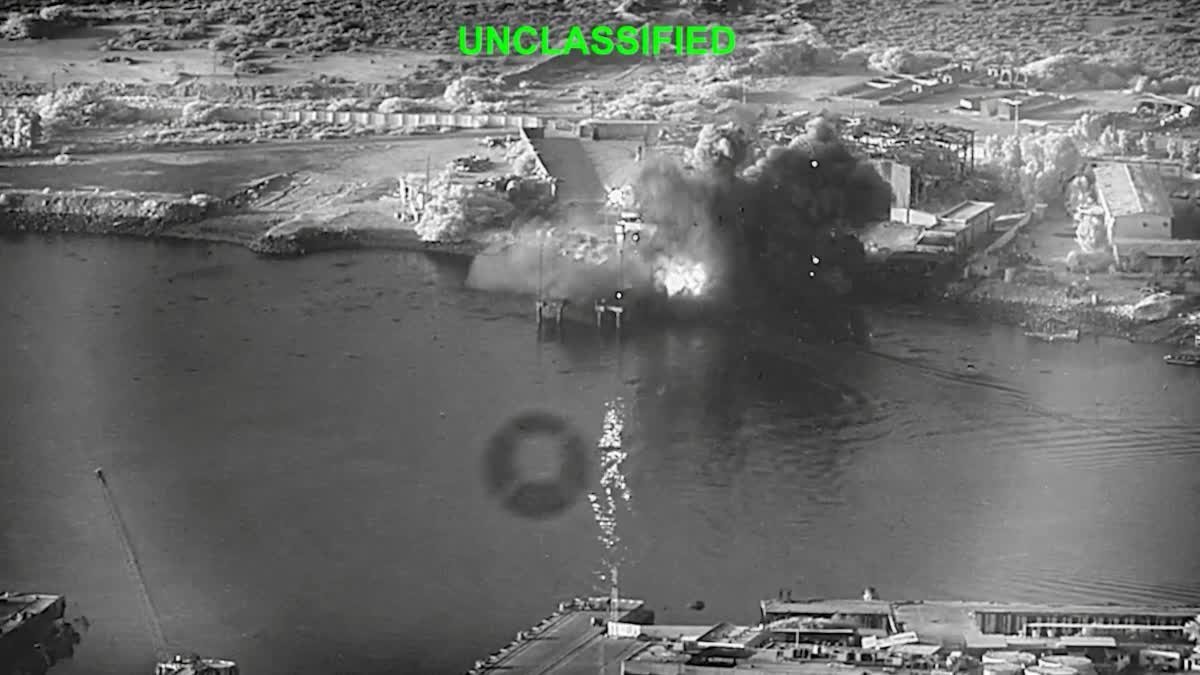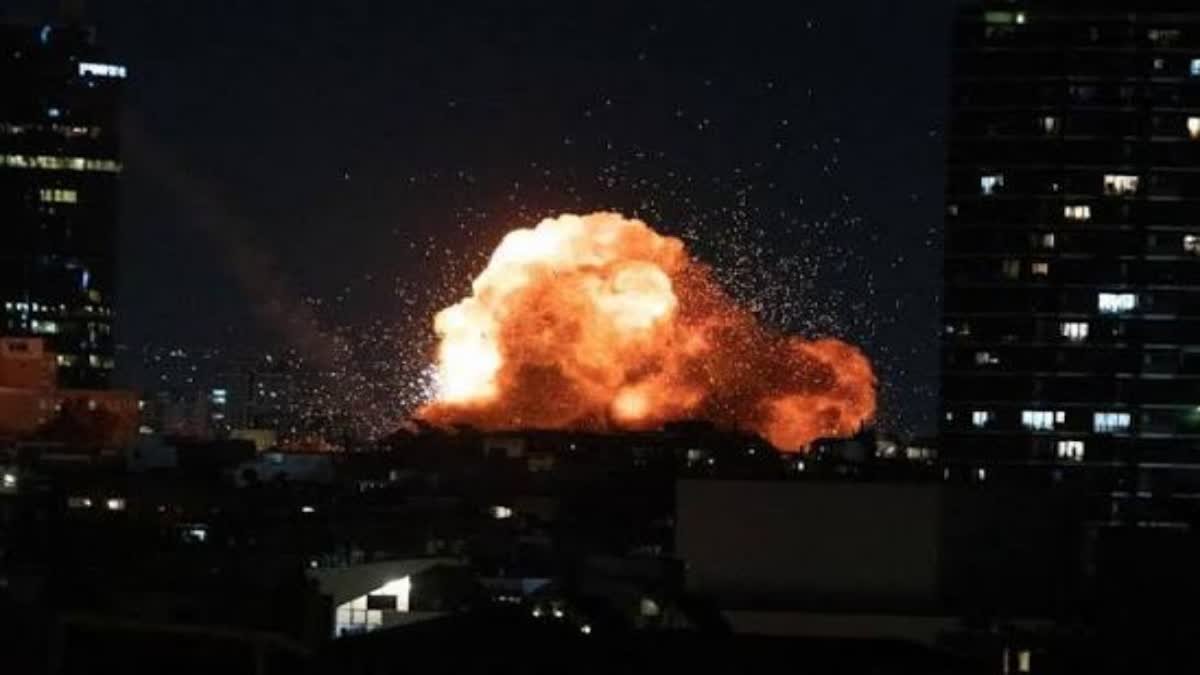



Global Energy Markets | Global oil prices declined on Tuesday as investors responded positively to a temporary pause in U.S. military strikes on Iran, boosting expectations that diplomatic negotiations could reduce tensions in the Middle East and help stabilize global energy supplies.
Market participants viewed the pause as a potential opportunity to avoid further disruptions in one of the world’s most strategically important oil-producing regions.
Brent and WTI Crude Prices Decline
By 0046 GMT, benchmark crude prices were trading lower:
- Brent Crude fell $0.54 (0.6%) to $87.82 per barrel.
- U.S. West Texas Intermediate (WTI) declined $0.66 (0.8%) to $81.95 per barrel.
Earlier in the trading session, both benchmarks had dropped by approximately 1%, reaching their lowest levels in more than a week.
Trump Signals Preference for Diplomacy
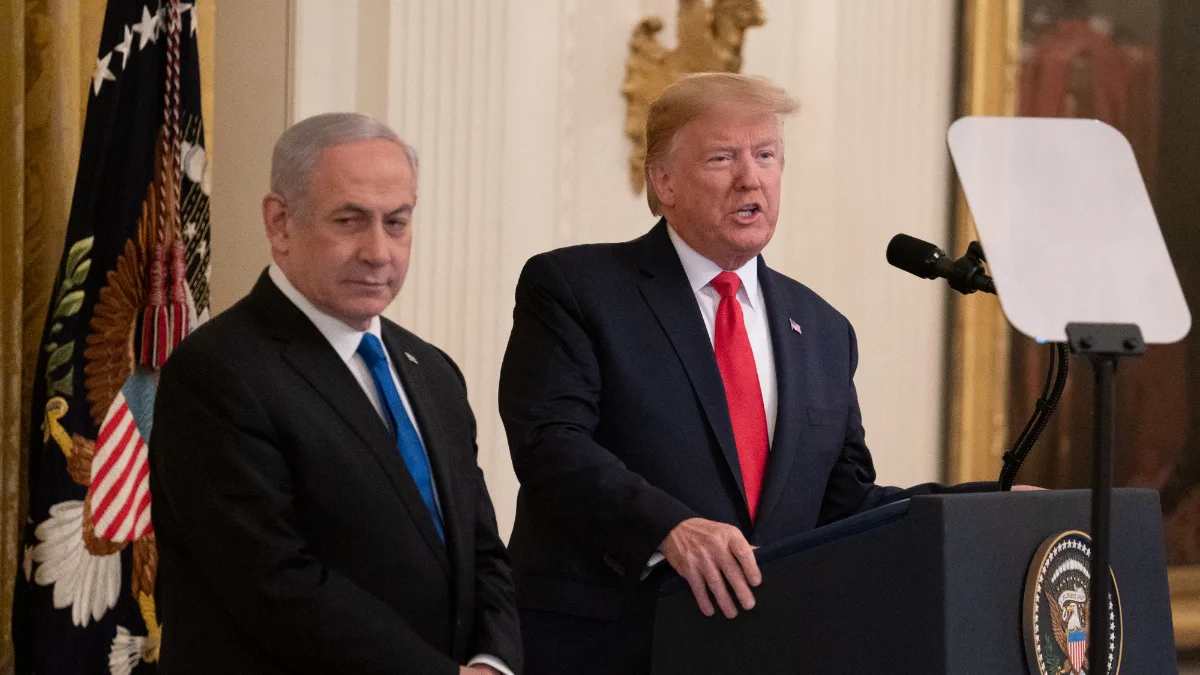
U.S. President Donald Trump said the United States is engaged in constructive discussions with Iran, expressing optimism that negotiations could produce a diplomatic breakthrough.
“We are having good talks with Iran, and there is a chance of a resolution,” Trump said.
However, he also warned that U.S. military operations could resume if negotiations fail, while Iranian officials similarly stated that retaliation remains an option should diplomacy collapse.
Market Reacts to Reduced Geopolitical Risk
Analysts said the temporary easing of military tensions has reduced immediate fears of disruptions to global oil exports.
Tony Sycamore, a market analyst at IG, said:
“For now, the relief that an off-ramp has been found has taken the heat out of prices and eased concerns around Houthi attacks on Saudi infrastructure. However, the situation remains highly fluid.”
Despite the decline in prices, analysts cautioned that geopolitical risks remain elevated.
Concerns Over Red Sea and Hormuz Shipping
Attention also remains focused on two critical maritime trade routes:
- Strait of Hormuz
- Bab el-Mandeb Strait
Afrah al-Zouba, the foreign minister-designate of Yemen’s internationally recognized Saudi-backed government, warned that Houthi forces are attempting to expand their influence over shipping routes in a manner similar to Iran’s influence in the Strait of Hormuz.
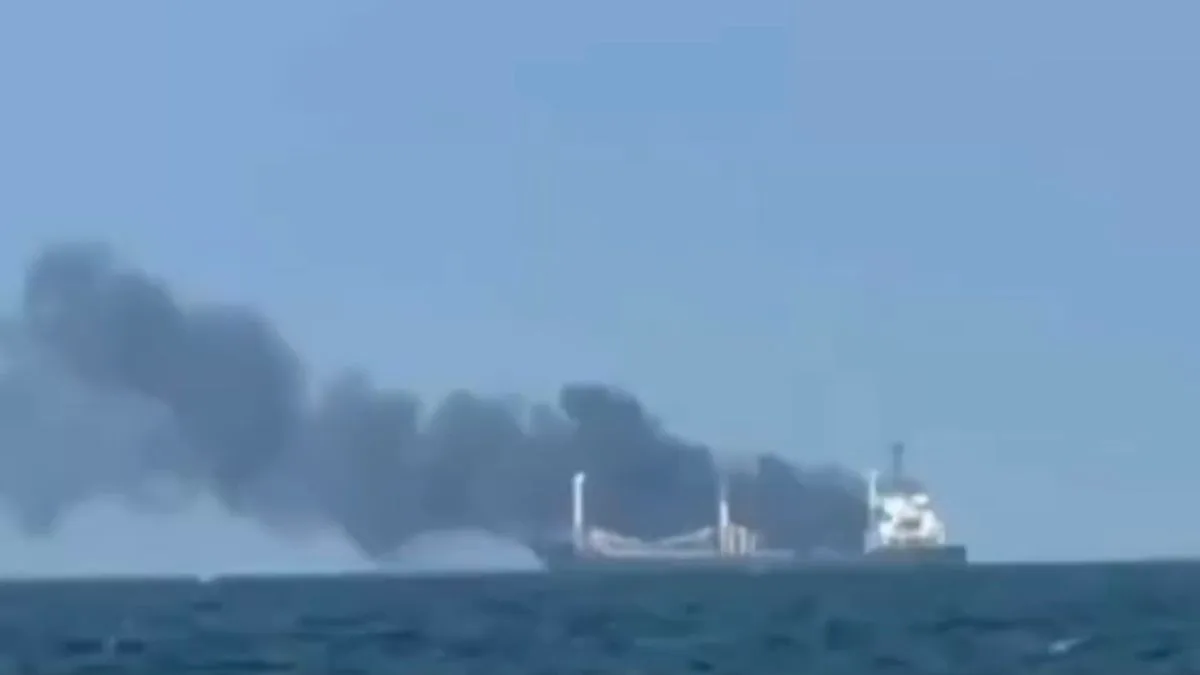
Although analysts question whether the Houthis possess the military capability to enforce a full blockade, shipping activity has reportedly slowed significantly in both the Red Sea and the Strait of Hormuz.
Oil Demand Also Influencing Prices
According to Edward Meir, an analyst at Marex, another important factor limiting oil prices is weaker global demand, particularly across Asia.
“A key reason prices are not even higher than they are right now is the demand destruction that is taking place, especially in Asia.”
Lower industrial activity and softer fuel consumption have helped offset some of the upward pressure caused by geopolitical uncertainty.
Exports Through Hormuz Decline
Analysts at Barclays reported that crude oil and refined product exports through the Strait of Hormuz have declined sharply.
According to the bank:
- Week ending July 24: 2.9 million barrels per day
- Previous week: 5.9 million barrels per day
The reduction reflects continued caution among shipping companies operating in the region.
U.S. Oil Inventories in Focus
Market participants are also closely monitoring U.S. crude inventory data.
A preliminary industry survey indicated:
- Crude oil inventories likely declined
- Gasoline inventories also expected to fall
- Distillate fuel stocks likely increased
Official inventory figures are expected to provide further insight into the balance between supply and demand.
Reaction from Two Americans
Michael Reynolds, an American energy economist based in Houston, Texas, said financial markets are responding primarily to changing geopolitical expectations.
“Oil prices react quickly to developments involving major producers and key shipping routes. Even temporary signs of diplomacy can reduce the geopolitical risk premium built into crude prices.”
Meanwhile, Sarah Mitchell, an American commodities market analyst from New York, noted that investors remain cautious.
“While the decline in prices reflects optimism over diplomatic progress, markets remain highly sensitive. Any disruption in the Strait of Hormuz or renewed military action could reverse the trend very quickly.”
Outlook
Global energy markets remain focused on the evolving relationship between the United States and Iran, with diplomacy offering cautious optimism for improved stability. Although oil prices have eased following the pause in military action, continued concerns over Middle East security, shipping through the Strait of Hormuz, and global energy demand mean volatility is likely to remain high in the weeks ahead. Investors will closely monitor diplomatic negotiations, regional security developments, and upcoming inventory data for further direction in the oil market.