
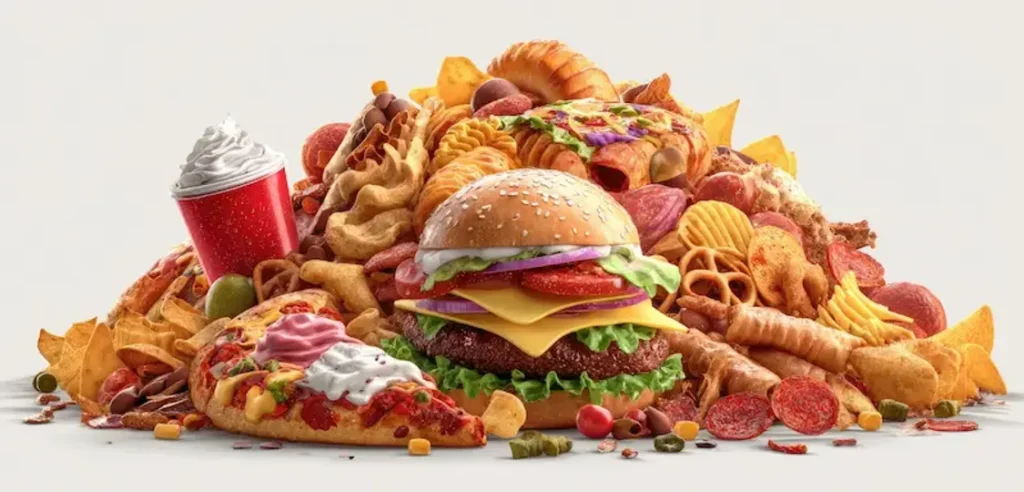
NEW DELHI — July 26, 2026: India is witnessing a sharp rise in the consumption of junk food and ultra-processed foods, with demand increasing by 150% over the past 14 years, according to a new report released by a consortium led by the Indian Council of Medical Research (ICMR) and the National Institute of Nutrition (NIN).
The report warns that unhealthy dietary habits are contributing to an alarming increase in childhood obesity, pre-diabetes, high blood pressure, and other non-communicable diseases (NCDs) among children and adolescents. It recommends stronger government regulations, stricter enforcement around schools, and greater nutrition education to reverse the trend.
Over One Billion People Worldwide Affected by Obesity
According to the report, supported by findings from the World Health Organization (WHO) and the United Nations (UN), more than one billion people worldwide are now living with obesity.
WHO estimates that unhealthy diets contribute to approximately 19 million deaths every year globally by increasing the risk of conditions such as:
- Heart disease
- Stroke
- Type 2 diabetes
- Hypertension
- Certain cancers
The report notes that obesity has become a global public health epidemic, affecting both developed and developing nations.
India’s Ultra-Processed Food Market Expands Rapidly
Researchers found that India’s market for ultra-processed foods (UPFs) has grown dramatically over the past two decades.
According to the report:
- The market was valued at approximately ₹7,515 crore in 2006.
- By 2019, it had expanded to nearly ₹3.16 lakh crore.
- Sales of unhealthy processed foods increased by approximately 150% between 2009 and 2023.
Ultra-processed foods typically contain:
- High levels of sugar
- Excess salt
- Saturated and trans fats
- Artificial colors
- Flavor enhancers
- Chemical preservatives
At the same time, they often contain relatively low amounts of essential nutrients, vitamins, and dietary fiber.
4.1 Crore Indian Children Are Overweight
One of the report’s most concerning findings is the growing prevalence of obesity among children.
Researchers estimate that approximately 4.1 crore (41 million) Indian children between the ages of 5 and 19 years are currently overweight or obese.
India’s education system includes approximately:
- 1.03 million schools
- Nearly 247 million students
Because children spend nearly 12,000 hours in school between the ages of 10 and 12, researchers believe schools play a critical role in shaping lifelong eating habits.
Childhood Obesity Could Rise Further by 2030
The report, titled “Priority Policy Actions for Promoting Healthier Food Environment for Children and Youth in India,” warns that if preventive measures are not implemented quickly, childhood obesity could increase by an additional 11% by 2030.
Researchers project that by the end of the decade:
- One out of every nine obese children globally could be from India.
Growing Lifestyle Diseases Among Young People
The report also highlights increasing rates of lifestyle-related diseases among Indian adolescents.
According to data cited from the Comprehensive National Nutrition Survey (CNNS):
- Approximately 10% of Indian adolescents and young adults are pre-diabetic.
- Around 1% have already developed diabetes.
- Nearly 5% suffer from high blood pressure (hypertension).
Health experts warn that these conditions, once primarily associated with adults, are increasingly being diagnosed during adolescence due to poor dietary habits and sedentary lifestyles.
Recommendations for Stronger Regulations
The ICMR-led consortium—which includes NIN, AIIMS, NITI Aayog, and UNICEF—has proposed several policy measures aimed at improving children’s nutrition.
Key recommendations include:
- Ban the sale of junk food within 50 meters of schools
- Prohibit advertisements for unhealthy foods around schools
- Strengthen enforcement of existing food regulations
- Introduce mandatory nutrition education in school curricula
- Promote healthy eating through digital awareness campaigns
- Encourage balanced diets and healthier lifestyles among children and families
Researchers emphasized that children should learn about nutrition at an early age to help prevent chronic diseases later in life.
Advertising Plays a Major Role
The report argues that aggressive marketing continues to influence children’s food choices.
Among its findings:
- Up to 90% of food advertisements shown on television promote unhealthy food products.
- More than 80% of advertisements aired during major cricket broadcasts promote unhealthy foods or beverages.
- Approximately 92.6% of parents believe fast food is easily available near schools.
Researchers also noted that attractive packaging, digital marketing, celebrity endorsements, and social media promotions encourage children to consume unhealthy foods more frequently.
Existing Rules Need Better Enforcement
Although India already has regulations restricting unhealthy food sales near schools, the report states that implementation remains inconsistent.
Existing initiatives include:
- PM POSHAN (Mid-Day Meal Scheme) providing nutritious meals to millions of students.
- CBSE’s mandatory Sugar and Oil Boards to educate students about excessive sugar and fat consumption.
- Rashtriya Bal Swasthya Karyakram (RBSK) 2.0, promoting healthier lifestyles, adequate sleep, and reduced screen time.
Researchers stressed that stronger enforcement is necessary to make these policies more effective.
Global Examples Show Positive Results
The report highlights several countries where stricter regulations have improved public health outcomes.
Examples include:
- Chile: Sugary food sales declined by 20–30% following stricter labeling and advertising rules.
- South Korea: Television advertisements for junk food fell by approximately 81%.
- United Kingdom: Unhealthy food advertising declined by about 37% after regulatory changes.
- Norway: Introduced a ban in 2026 on online junk food advertising targeting children under 18 years of age.
- Countries including Ecuador, Iran, Sri Lanka, and the United Kingdom have implemented traffic-light food labeling, while Australia and New Zealand use Health Star Ratings to help consumers make healthier food choices.
A Growing Public Health Challenge
Health experts involved in the report conclude that India is at a critical point in addressing the rising burden of obesity and diet-related diseases.
Without stronger policies, improved nutrition education, responsible food marketing, and greater public awareness, researchers warn that unhealthy eating habits among children could place increasing pressure on the country’s healthcare system in the coming decades.
The report emphasizes that healthy school environments, responsible food advertising, and balanced nutrition will be essential to protecting the health of future generations.