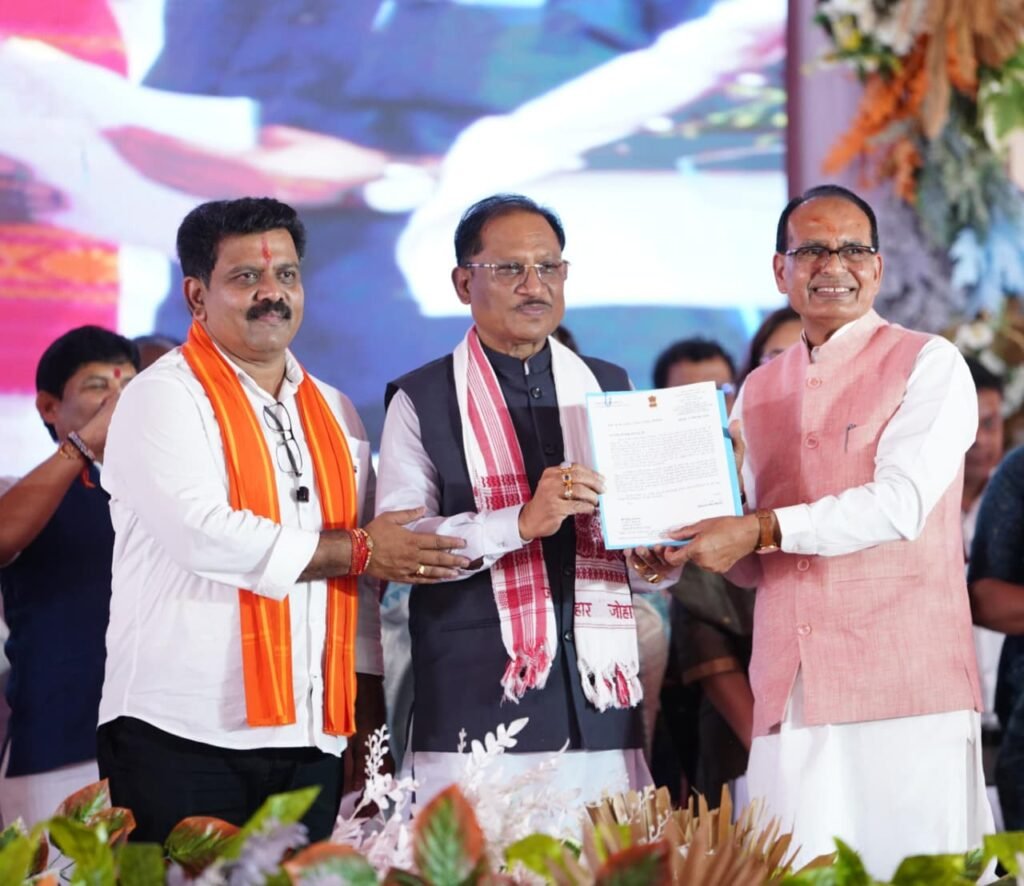


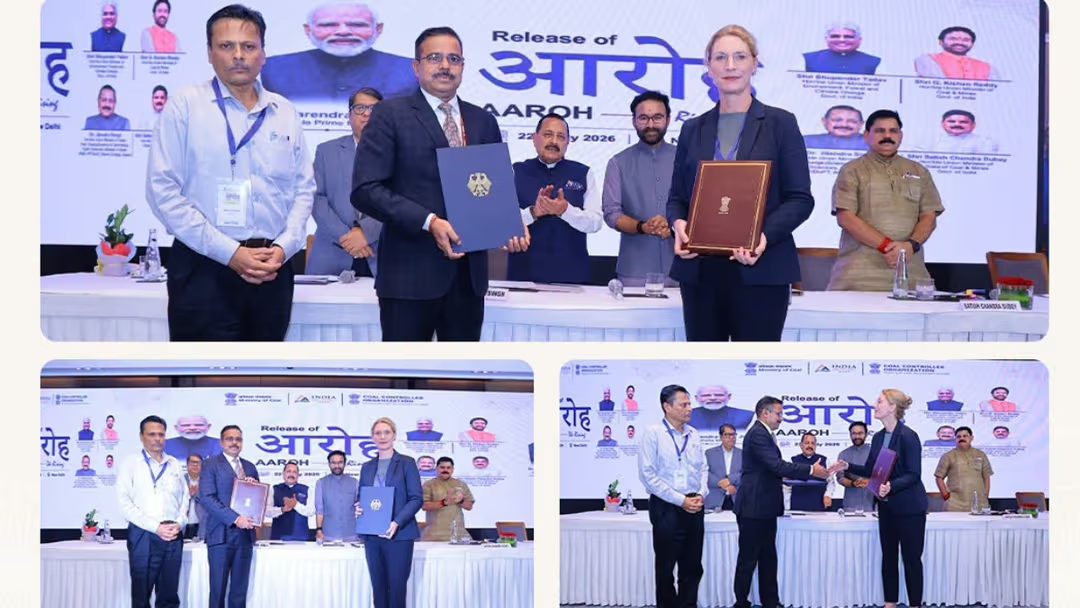

New Delhi | In a significant step toward advancing environmentally responsible mining practices and supporting India’s sustainable development goals, the Ministry of Coal and Deutsche Gesellschaft für Internationale Zusammenarbeit (GIZ) have signed an Implementation Agreement under the Indo-German Green and Sustainable Development Partnership (GSDP) to facilitate the scientific closure of coal mines, environmental restoration, and the repurposing of decommissioned mining sites.
The agreement marks a major milestone in India’s efforts to ensure that the transition from active coal mining is environmentally sustainable, socially inclusive, and economically beneficial for communities affected by mine closures.
Driving Sustainable Mine Closure
The collaboration will focus on coal mines that are scheduled for closure, introducing international best practices, advanced technical expertise, and scientific methodologies to improve mine closure planning and implementation.
The project aims to ensure that mine closures are conducted in a manner that minimizes environmental impact while creating long-term opportunities for local communities.
Key Objectives of the Agreement
- Scientific closure of coal mines reaching the end of their operational life.
- Environmental restoration of mined landscapes.
- Repurposing of closed coal mines for productive and sustainable future uses.
- Capacity building for government agencies and stakeholders involved in mine closure.
- Creation of sustainable livelihood opportunities for communities affected by the closure of mining operations.
Environmental Restoration and Land Reuse
A major component of the initiative is the restoration of ecosystems impacted by mining activities. The project will promote rehabilitation of degraded land through scientifically designed reclamation measures, helping restore biodiversity, improve land productivity, and reduce long-term environmental risks.
In addition, the agreement encourages the repurposing of closed mine sites for alternative economic and community uses, such as:
- Renewable energy projects, including solar power installations.
- Industrial and commercial development.
- Agriculture and forestry initiatives.
- Tourism and recreational infrastructure, where feasible.
- Community development projects that generate long-term socio-economic benefits.
Such initiatives aim to transform former mining areas into productive assets while supporting regional economic development.
Supporting Communities Through Sustainable Livelihoods
Recognizing the social impact of mine closures, the project places strong emphasis on creating sustainable livelihood opportunities for workers and communities dependent on mining activities.
The initiative will promote:
- Skill development and vocational training.
- Alternative employment opportunities.
- Entrepreneurship and local enterprise development.
- Community participation in rehabilitation planning.
- Inclusive economic transition for mining-dependent regions.
This people-centric approach seeks to ensure that the benefits of mine rehabilitation extend beyond environmental recovery to include long-term economic resilience.
International Cooperation Under the GSDP Framework
The project is being implemented under the Indo-German Green and Sustainable Development Partnership (GSDP), a bilateral framework designed to strengthen cooperation between India and Germany on climate action, sustainable development, environmental protection, and clean energy initiatives.
Through GIZ’s technical expertise, the collaboration will introduce globally recognized practices in mine reclamation, environmental management, and post-mining land utilization, supporting India’s modernization of mine closure processes.
Strengthening India’s Sustainable Mining Vision
The agreement reflects the Ministry of Coal’s commitment to integrating sustainability into every stage of the mining lifecycle—from exploration and production to mine closure and post-mining land management.
By combining scientific mine closure, environmental restoration, capacity building, and community-focused development, the initiative aims to establish a comprehensive framework for responsible mining practices across the country.
A Major Step Toward a Just and Green Transition
The partnership between the Ministry of Coal and GIZ represents an important milestone in India’s journey toward a just transition in the mining sector. By balancing environmental conservation, economic development, and social welfare, the project is expected to serve as a model for sustainable mine closure and land rehabilitation in the years ahead.
As India continues to pursue its long-term climate and sustainability goals, the initiative reinforces the country’s commitment to responsible resource management, ecological restoration, and inclusive growth, ensuring that former mining regions remain productive and resilient for future generations.