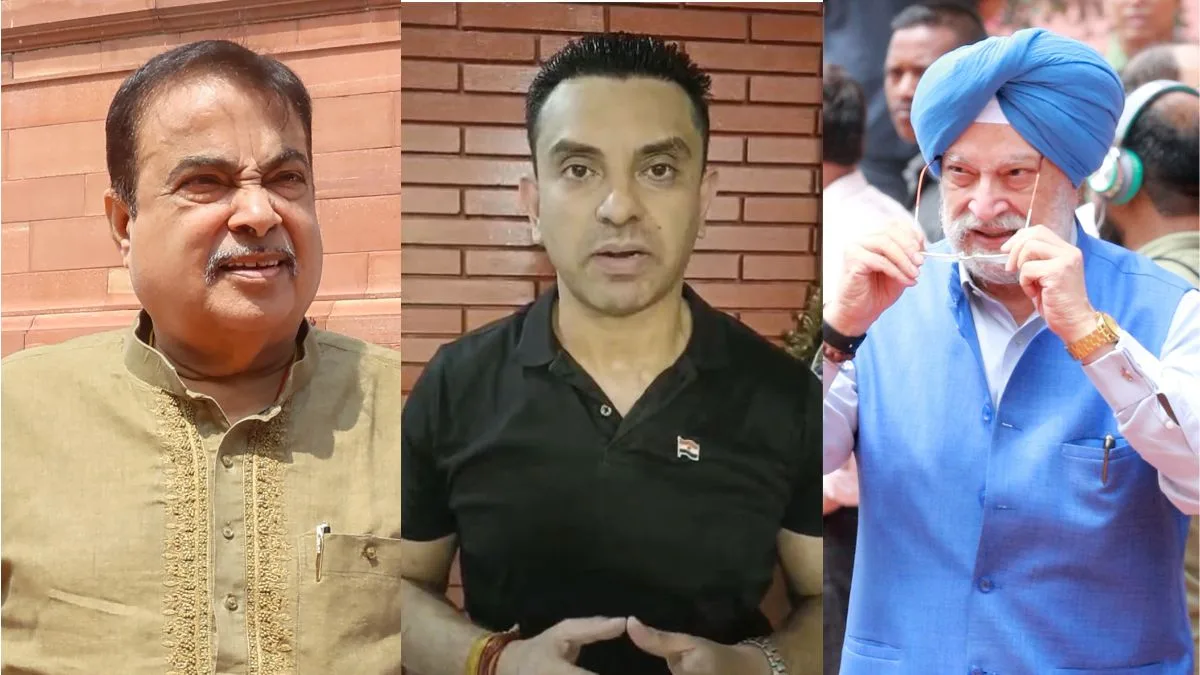

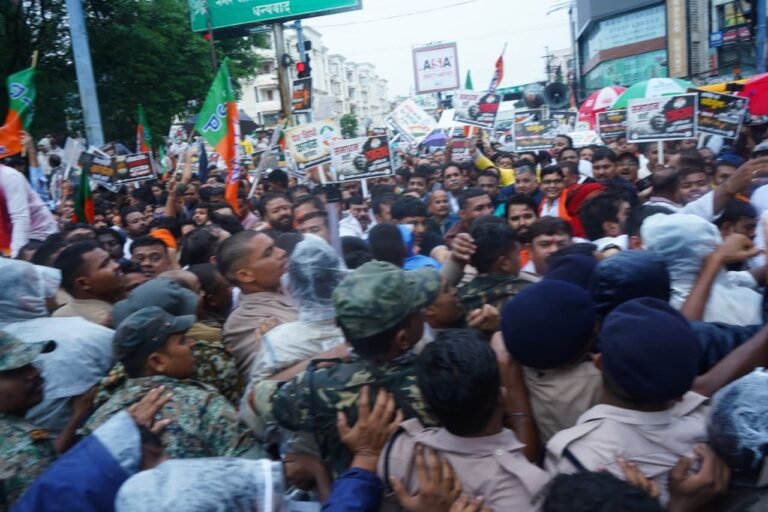
Raipur, Chhattisgarh | : The Bharatiya Janata Party (BJP) has launched a sharp political attack on former Chhattisgarh Chief Minister Bhupesh Baghel, accusing the Indian National Congress of promoting what it described as “anarchic” and “opportunistic” politics. The criticism came after Baghel allegedly accused the Central Government and the BJP of acting in an undemocratic manner.
Akhilesh Soni, State General Secretary of the BJP, rejected Baghel’s allegations, calling them politically motivated and claiming they reflected what the BJP views as Congress’s long-standing pattern of confrontation and disruption.
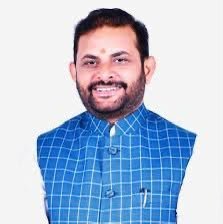
BJP’s Response
Addressing the media, Akhilesh Soni said the Congress was attempting to create political unrest by staging protests and making allegations against constitutional institutions.
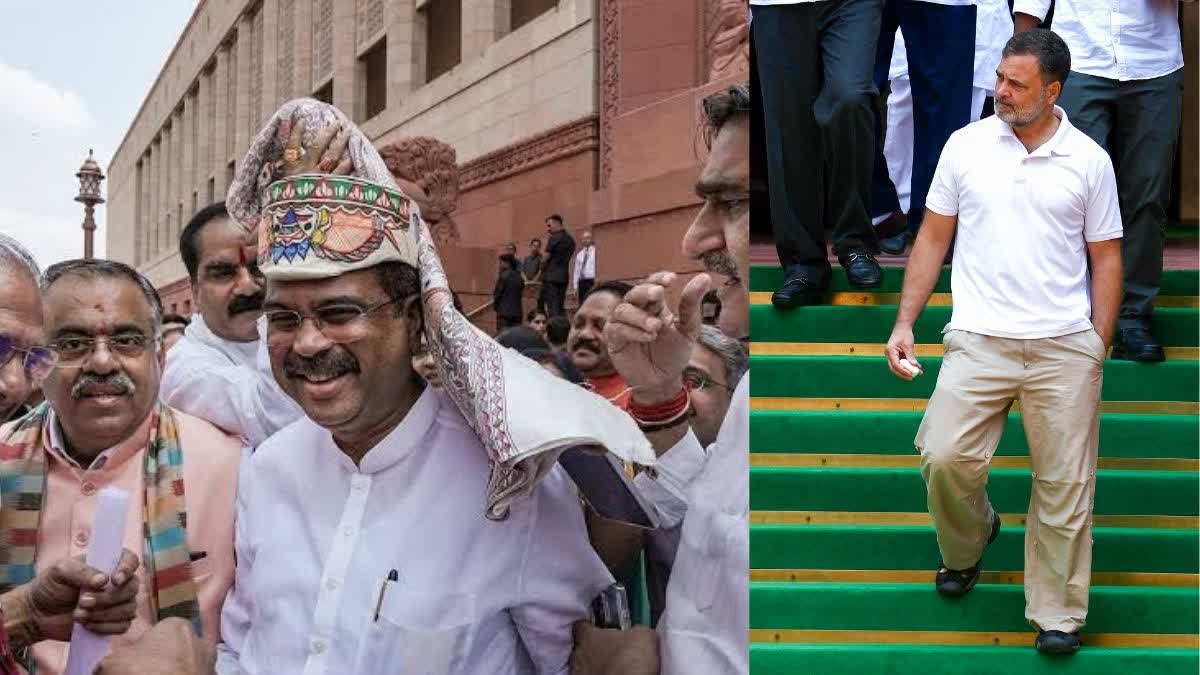
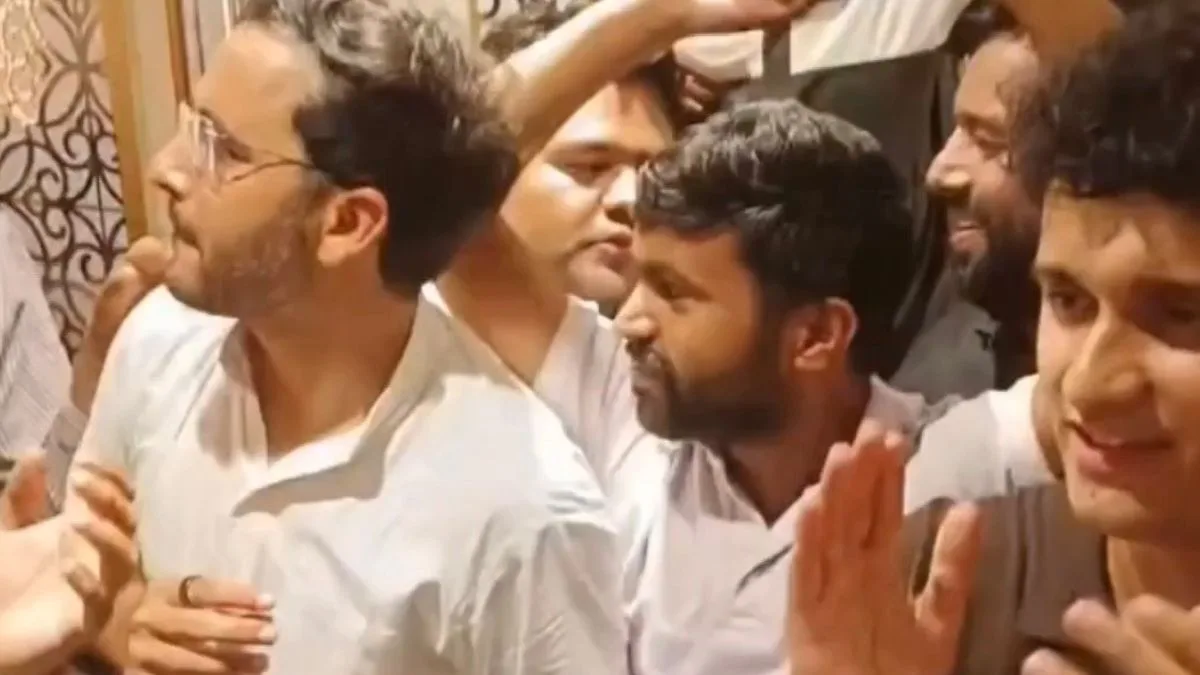
Referring to the reported protest by Leader of the Opposition Rahul Gandhi and Member of Parliament Priyanka Gandhi Vadra near the official residence of Prime Minister Narendra Modi, Soni alleged that the demonstration was not a legitimate democratic protest, but rather a planned attempt to undermine constitutional institutions and create disorder.
He further stated that the BJP believes Congress has historically engaged in political agitation both inside and outside Parliament, accusing the opposition party of misleading young people for political gains.
Claims Regarding Youth and Governance
Responding to Bhupesh Baghel’s criticism of the Central Government, Soni argued that the BJP-led Union Government remains committed to protecting the interests of students and youth, particularly in the areas of education, employment, and public welfare.
He also rejected allegations that the government was insensitive to issues affecting students, stating that all matters are being addressed within the framework of the law and constitutional procedures.
Additionally, Soni accused Congress of politicizing sensitive issues, including incidents involving students, and alleged that the party has a history of using such matters for political purposes.
Political Context
The exchange represents the latest escalation in the ongoing political rivalry between the BJP and the Congress in Chhattisgarh, where both parties continue to trade allegations over governance, democratic values, and public accountability.
The statements made by Akhilesh Soni reflect the BJP’s position on the matter. Bhupesh Baghel and the Congress have publicly criticized the BJP and the Central Government on separate occasions, maintaining their own position on these issues. The political debate continues, with both parties presenting competing narratives ahead of future electoral contests.
American Political Analysts Offer Perspective
Dr. Emily Carter, an American political scientist specializing in comparative democracies, said that strong criticism between ruling and opposition parties is common in democratic systems, but emphasized that political disagreements are most effective when accompanied by institutional dialogue and evidence-based debate.
Meanwhile, Michael Reynolds, a U.S.-based governance and public policy analyst, observed that peaceful protests and political criticism are fundamental democratic rights, while political leaders also share the responsibility of ensuring that public discourse remains respectful, fact-based, and within constitutional norms.
Key Highlights
- BJP State General Secretary Akhilesh Soni strongly criticized former Chief Minister Bhupesh Baghel.
- The BJP alleged that the Congress is engaging in politically motivated protests and attempting to create public disorder.
- Soni defended the Central Government’s policies on youth welfare, education, and employment.
- The BJP criticized the reported protest involving Rahul Gandhi and Priyanka Gandhi Vadra, describing it as an attempt to undermine constitutional institutions.
- The political exchange reflects the continuing rivalry between the BJP and the Congress in Chhattisgarh and at the national level.
As the political debate continues, both the BJP and the Congress remain firmly committed to their respective positions, while the broader issues raised are expected to remain part of the ongoing public and political discourse in India.