

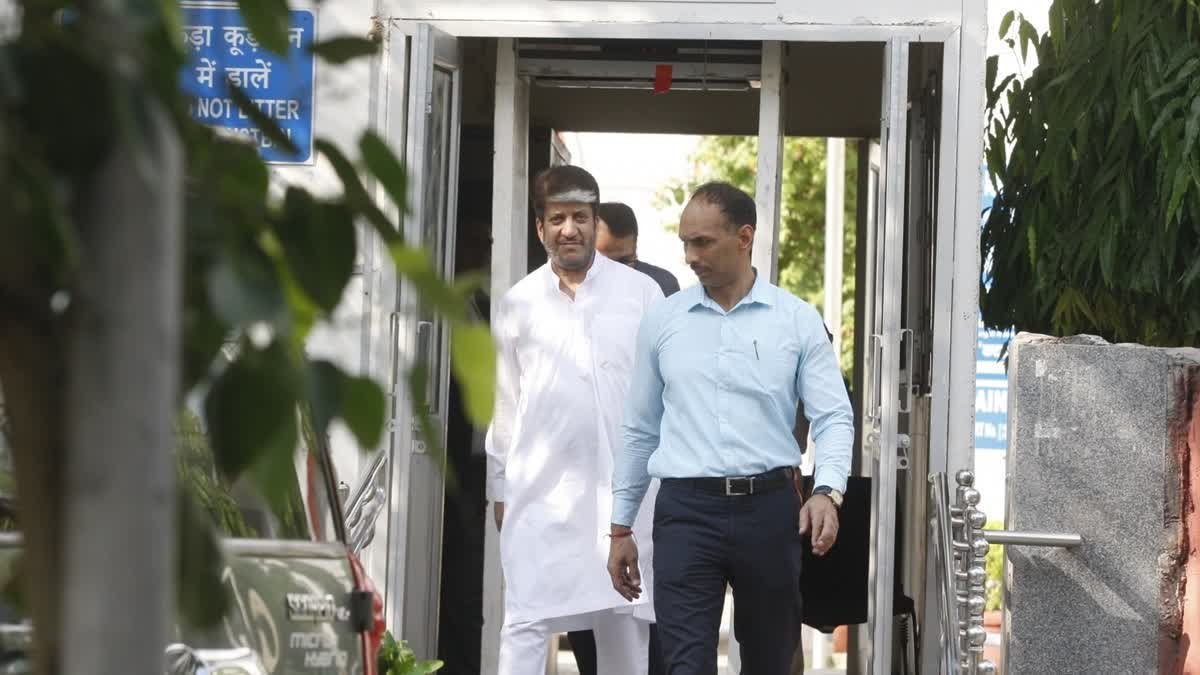

Srinagar, India — India’s federal anti-terror agency, the National Investigation Agency (NIA), has arrested Kashmiri separatist leader Shabir Ahmad Shah in connection with a case dating back to 1996, officials said on Saturday.
According to authorities, Shah was produced on Friday evening before a court at Patiala House in New Delhi, which granted the NIA a three-day transit remand. This allows investigators to transfer him to Jammu & Kashmir for further questioning and legal proceedings.
Officials confirmed that Shah is expected to be taken to Jammu and Kashmir on Monday, where he will be presented before a local court.
Background of the Case
The case relates to an incident reported on July 17, 1996, at the Shergarhi Police Station in Srinagar. According to police records, unrest broke out during a funeral procession of militants. Sloganeering during the procession allegedly escalated tensions, eventually turning violent.
Security agencies claim that armed militants opened fire during the incident, resulting in multiple injuries. The case has remained under investigation for years and is now being actively pursued by the NIA.
Family Response
Members of Shah’s family have confirmed the arrest but stated they have not been able to communicate with him since the court proceedings.
“We learned about the development in court on Friday. We have not been able to speak to him since then,” a family member said.
Recent Legal Developments
The arrest comes just weeks after Shah secured relief in other legal matters. On March 12, 2026, the Supreme Court of India granted him bail in a separate case being investigated by the NIA. He was later granted bail again on March 28 in a money laundering case.
What Happens Next
With transit custody granted, the NIA is expected to intensify its investigation once Shah is moved to Jammu & Kashmir. He will be produced before a local court, which will determine further custody and legal proceedings in the case.
The development marks a significant move in revisiting long-pending cases linked to militancy and unrest in the region, as authorities continue to pursue accountability in historic incidents.