


Bilaspur, India — A growing controversy is unfolding in the central Indian city of Bilaspur, where members of the local jewelry trade are accusing banks and gold finance companies of inadvertently enabling criminals to monetize stolen jewelry through loosely regulated gold loan systems.
The Bilaspur Sarafa (Jewelry) Association has voiced serious concerns over what it describes as a rising trend: stolen gold being pledged at banks and non-banking financial companies (NBFCs) in exchange for quick cash, often with minimal scrutiny of the asset’s origin.
Recent Arrest Sparks Debate
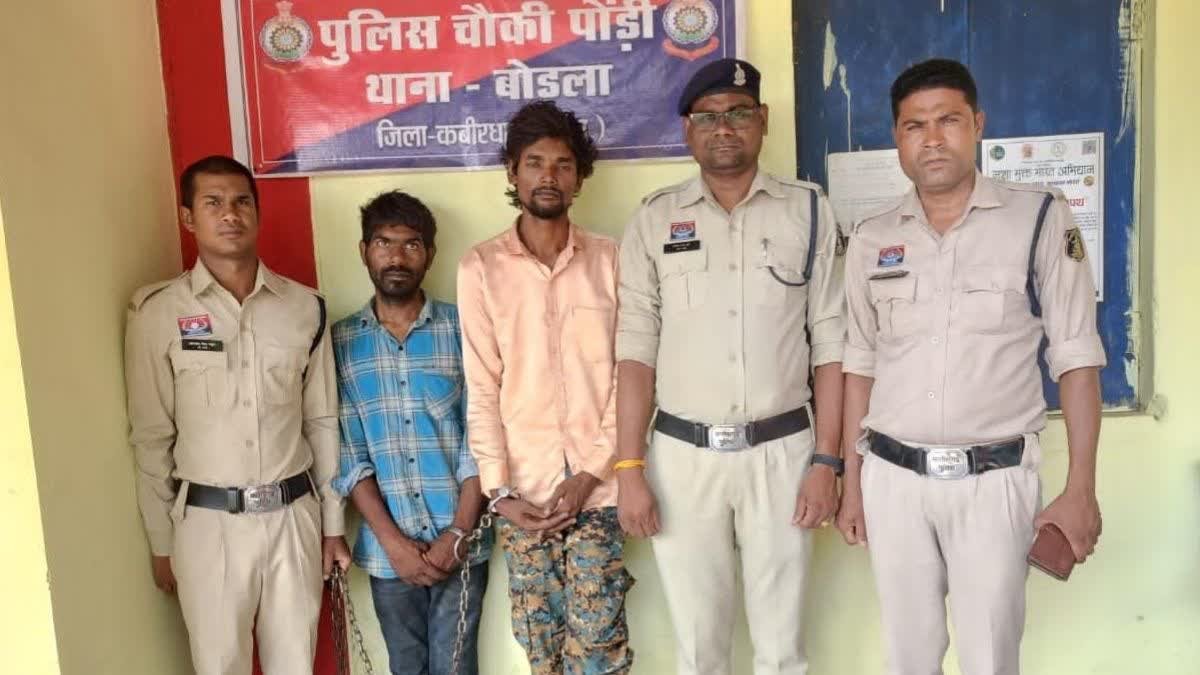
The issue gained traction after local police in Bilaspur’s Civil Lines area arrested a suspected thief along with a branch manager of Manappuram Finance. Authorities allege that the accused used stolen jewelry to secure a gold loan, while the manager knowingly accepted the items and even attempted to melt them down to conceal their identity.
Police reportedly recovered around 40 grams of melted gold during the operation. The case has intensified scrutiny over internal controls within financial institutions offering gold-backed loans.
Allegations of Lax Verification
According to Kamal Soni, President of the Chhattisgarh Sarafa Association, banks are prioritizing loan targets over due diligence.
“Criminals are increasingly using banks as a safe channel to dispose of stolen jewelry. After basic paperwork, they can easily obtain cash without proper verification of the gold’s source or authenticity,” Soni said.
He added that while jewelers typically exercise caution and refuse suspicious transactions, financial institutions may lack the same level of vigilance, creating a loophole that criminals exploit.
Key Concerns Raised by the Association
The association has outlined several systemic weaknesses in current gold loan practices:
- Inadequate Source Verification: Loans are often approved without requiring original purchase invoices or proof of ownership.
- Superficial KYC Checks: Basic Know Your Customer (KYC) procedures are followed, but may not be sufficient to flag suspicious applicants.
- Pressure to Meet Targets: Bank staff and NBFC employees may overlook red flags in order to meet loan disbursement targets.
- Lack of Coordination: There is minimal real-time coordination between banks, law enforcement, and jewelry traders.
Proposed Reforms
To address these issues, the Sarafa Association has proposed stricter regulations and collaborative mechanisms:
- Mandatory Purchase Documentation: Customers must present original bills when pledging gold.
- Enhanced KYC Protocols: More rigorous identity and background checks.
- Mandatory Reporting: Banks should notify local police and trade associations when individuals attempt to pledge unusually large quantities of old jewelry.
- Family Presence Requirement: Borrowers should be accompanied by family members during high-value transactions.
- Shared Intelligence Network: Establish a coordinated system between banks, police, and jewelers to identify and track suspicious gold transactions.
Broader Implications
Experts say the controversy highlights a larger regulatory gap in India’s booming gold loan market, which is valued in the billions and serves as a crucial source of liquidity for households. However, without tighter safeguards, the system may be vulnerable to misuse by organized crime.
Law enforcement agencies are now expected to examine whether similar practices are occurring in other regions and whether existing financial regulations are sufficient to prevent the laundering of stolen assets through gold-backed loans.
Bottom Line:
While gold loans remain a vital financial tool, the Bilaspur case has exposed potential cracks in the system—raising urgent questions about accountability, oversight, and the balance between financial access and security.