

Tokyo, Japan — Nissan Motor Co. announced Tuesday an ambitious push toward artificial intelligence–driven autonomous technology, revealing plans to equip 90% of its future vehicle lineup with next-generation self-driving systems as part of a broader strategy to revive sluggish global sales.
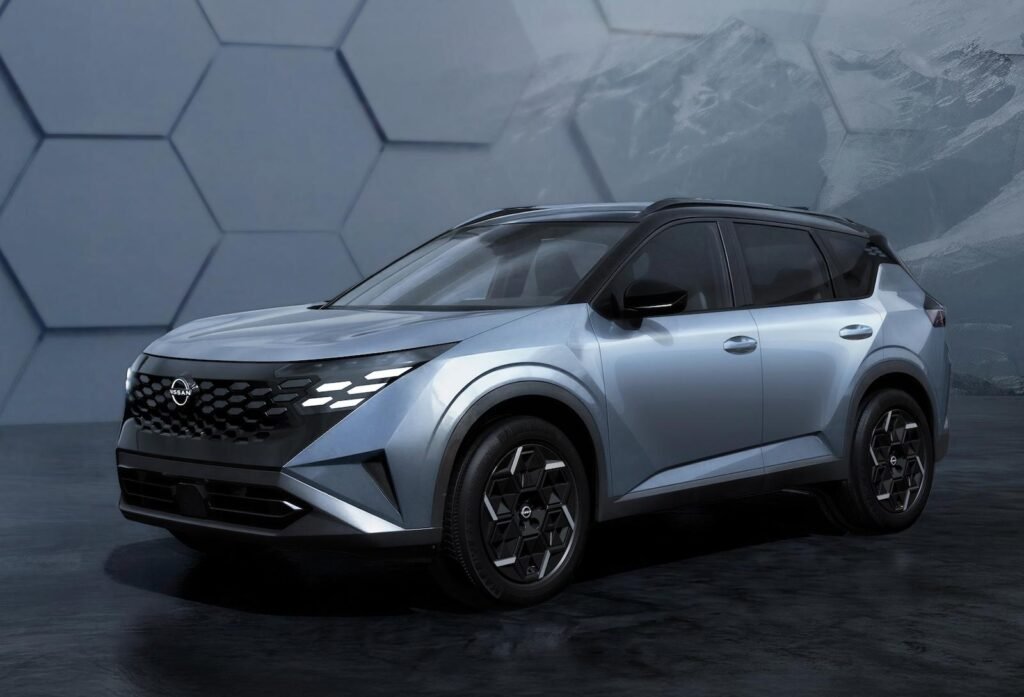
The automaker said the new AI-powered autonomous driving technology will debut by the end of fiscal 2027, first appearing in the next-generation Nissan Elgrand, which is expected to launch as early as this summer in Japan.
Sales Targets and Market Strategy
As part of a sweeping global restructuring plan, Nissan is targeting significant growth across key markets by fiscal 2030:
- 550,000 vehicles annually in Japan
- 1 million units each in the United States and China
For fiscal 2025, the company projects:
- 420,000 units in Japan
- 653,000 units in China
- 1.3 million vehicles in North America
The strategy reflects Nissan’s effort to rebalance its market presence and strengthen competitiveness in major automotive regions.
Streamlining and New Model Launches
To improve efficiency and profitability, Nissan plans to reduce its total number of models from 56 to 45, focusing on high-demand and technologically advanced vehicles.
At the same time, the company is preparing to roll out several new models, including:
- A hybrid version of the Nissan X-Trail
- A fully electric version of the Nissan Juke
These launches highlight Nissan’s commitment to electrification alongside autonomous driving innovation.
Major Restructuring Measures
Nissan also confirmed significant cost-cutting steps as part of its turnaround plan. These include:
- Closing seven manufacturing plants in Japan and overseas
- Shutting down key facilities such as the Oppama Plant
- Reducing its global workforce by approximately 20,000 employees
Outlook
Nissan’s aggressive shift toward AI-powered driving systems signals a major technological transformation aimed at regaining its competitive edge in an increasingly digital and electric automotive landscape. However, the success of the plan will depend on execution, market reception, and the company’s ability to balance innovation with deep structural reforms.
With global automakers racing toward automation and electrification, Nissan’s next moves will be closely watched by industry analysts and consumers alike.