



Washington, D.C. | The United States has reportedly resumed airstrikes inside Iran after an alleged ballistic missile attack targeting a U.S. military installation in Jordan, marking a significant escalation in tensions between Washington and Tehran. The renewed military action comes after a brief operational pause that had been intended to create space for diplomatic engagement between the two countries.
According to reports citing a senior U.S. official, the latest wave of airstrikes was launched on Thursday, signaling the end of a temporary suspension of U.S. military operations against Iranian targets.
Alleged Missile Attack on U.S. Base in Jordan
The renewed air campaign follows an incident earlier this week in which Iran allegedly launched multiple ballistic missiles toward a U.S. military facility in Jordan.
The U.S. Central Command (CENTCOM) stated that all incoming projectiles were successfully intercepted, preventing damage to the targeted installation. According to the U.S. military, the missiles were launched from Iranian territory, describing the attack as an attempted surprise strike against American assets deployed in the Middle East.
While U.S. officials did not publicly identify the specific military installation, several American media reports indicated that the intended target was a U.S. military base located in Jordan.
First Direct Ballistic Missile Strike on U.S. Military Compound
If confirmed, the attack would represent Iran’s first direct ballistic missile strike targeting a U.S. military compound since Washington temporarily paused its air campaign in an effort to facilitate diplomatic negotiations.
The incident has significantly heightened regional security concerns and raised fears of a broader military confrontation across the Middle East.
United States Responds with Renewed Airstrikes
Following the alleged missile attack, the United States reportedly launched a new series of precision airstrikes against targets inside Iran.
The renewed operations are viewed as a direct response to what Washington considers an attack on American military personnel and facilities.
U.S. officials have not publicly disclosed the exact locations or nature of the targets, but the strikes are believed to be part of a broader strategy aimed at deterring further attacks against U.S. interests in the region.
President Donald Trump Issues Strong Warning
Reacting to the developments, U.S. President Donald Trump warned that Iran would face a severe response for any attacks targeting American personnel or military installations.
According to media reports, President Trump stated that the United States would respond with its full military capability against any threat to American forces.
He reiterated that while diplomatic discussions remained ongoing, military action would continue if negotiations failed to produce meaningful progress.
Joint U.S.–Saudi Air Operation in Iraq
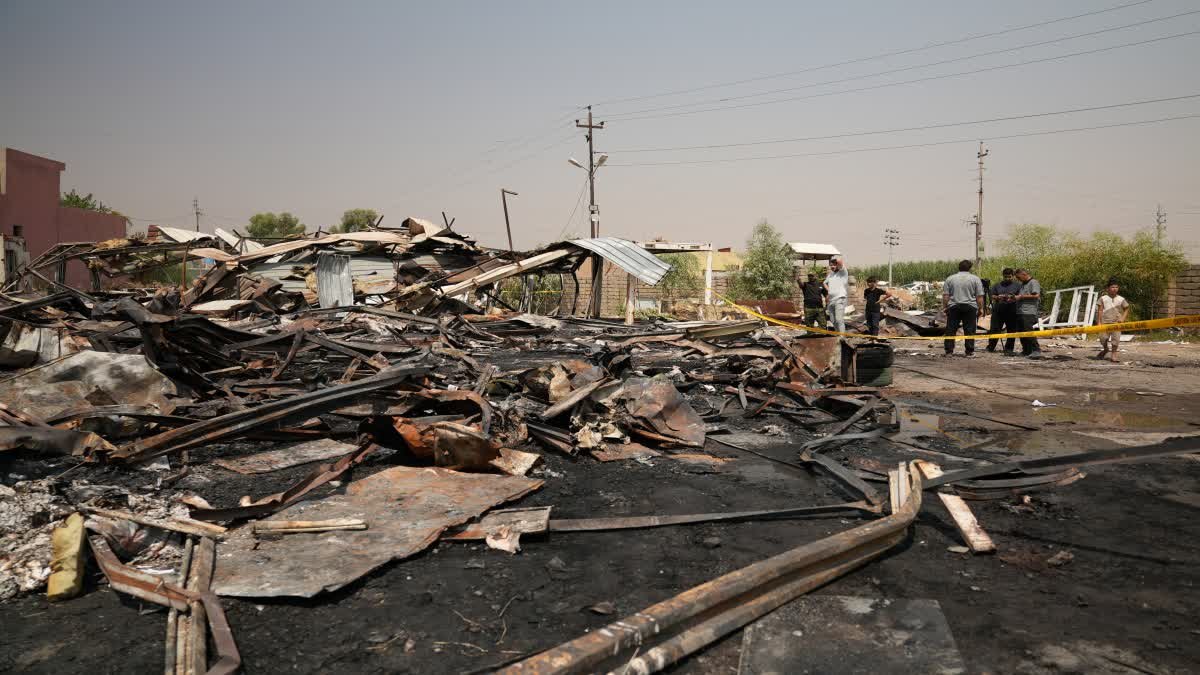
In a related development, U.S. and Saudi Arabian forces reportedly carried out a joint air operation late Tuesday against Iran-backed armed groups operating in Iraq.
According to CENTCOM, the operation targeted:
- Logistics depots
- Weapons storage facilities
- Military infrastructure linked to Iran-supported militias in eastern Iraq.
The Popular Mobilization Forces (PMF) reportedly claimed that at least 20 people were killed in the strikes, although independent verification of casualty figures was not immediately available.
Drone Threats Against Regional Energy Infrastructure
U.S. military officials stated that the joint operation followed more than 30 drone sorties allegedly launched over a three-day period by groups linked to Iran’s Islamic Revolutionary Guard Corps (IRGC).
The drones were reportedly aimed at:
- U.S. military personnel
- Saudi Arabian energy infrastructure
Saudi authorities also announced that their air defense systems successfully intercepted multiple drones targeting oil installations in the country’s Eastern Province, attributing the attempted attacks to Iran-aligned armed groups operating from Iraq.
Diplomatic Contacts Continue Despite Escalation
Despite the renewed military confrontation, diplomatic communication between Washington and Tehran reportedly continues through regional intermediaries.
The latest military escalation follows last week’s temporary suspension of U.S. air operations, during which American officials indicated they were assessing the strategic situation and exploring diplomatic options.
Earlier this week, President Trump had expressed optimism regarding indirect negotiations with Iran, suggesting there was a possibility of a diplomatic breakthrough while cautioning that military operations would resume if talks failed.
Regional Strategy Discussed with Israel
The renewed U.S. military operations also come shortly after President Trump held a bilateral meeting at the White House with Israeli Prime Minister Benjamin Netanyahu.
According to White House officials, the discussions focused heavily on regional security strategy, particularly developments involving Iran. Officials described the meeting as positive and productive, emphasizing close coordination between the United States and Israel on regional security issues.
Rising Regional Tensions
The latest developments underscore the rapidly deteriorating security environment across the Middle East, where military operations, missile attacks, drone strikes, and proxy conflicts continue to increase the risk of a wider regional confrontation.
Analysts note that while diplomatic channels remain open, the resumption of U.S. airstrikes and continued exchanges involving Iran and its regional allies indicate that tensions remain extremely high. The coming days are expected to be critical in determining whether diplomatic efforts can prevent further escalation or whether the conflict expands into a broader regional crisis.