

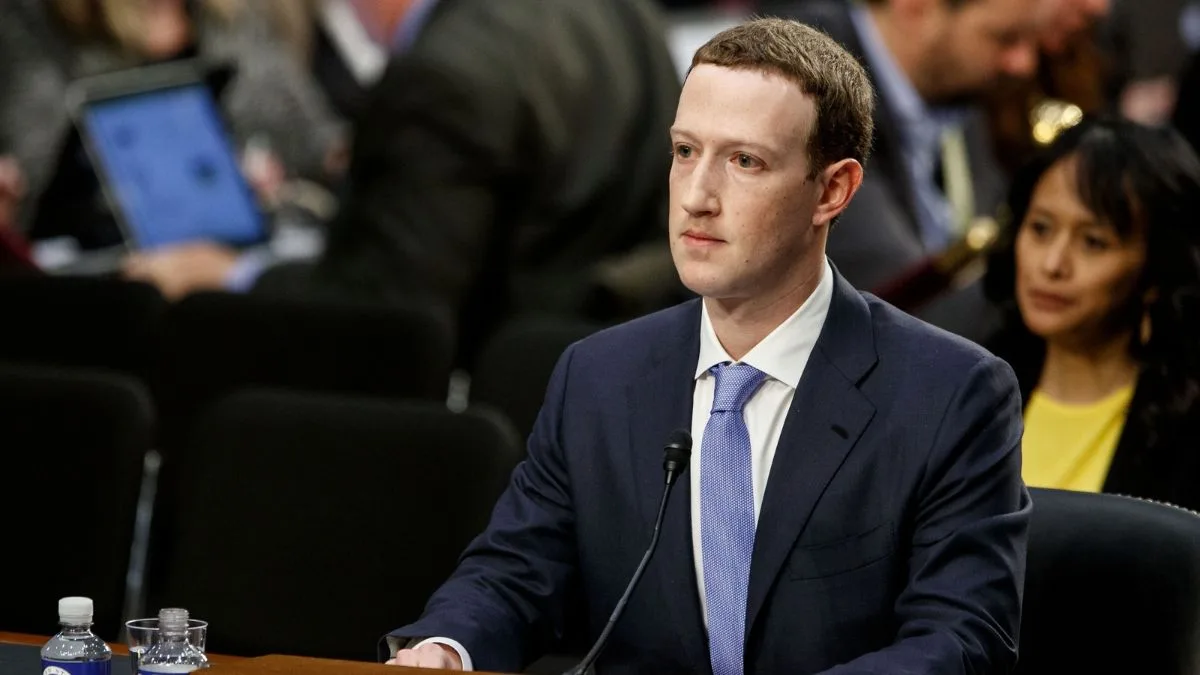

New Delhi |: Meta CEO Mark Zuckerberg has reportedly apologised to the Government of India and a Parliamentary panel over concerns related to the presence of Child Sexual Abuse Material (CSAM), deepfake content, and operational shortcomings on the company’s social media platforms. The development comes amid heightened scrutiny of digital platforms over content moderation and user safety in India.
According to government sources, Zuckerberg acknowledged the concerns raised by Indian authorities regarding the spread of objectionable, manipulated, and harmful content, and expressed regret over what were described as operational errors in managing the platform.
Apology Covers CSAM, Deepfakes and Platform Operations
Sources stated that the apology specifically addressed:
- Child Sexual Abuse Material (CSAM)
- AI-generated deepfake content
- Operational errors in content moderation and platform management
The reported apology follows recent discussions between Meta representatives and Indian authorities, who have been pressing the company to strengthen its mechanisms for detecting and removing illegal and harmful content.
Government Raises Questions Over Intermediary Status
According to sources, government officials informed Meta that its role in selecting, recommending, and distributing content to users could place the company outside the scope of a neutral intermediary under India’s Information Technology (IT) Act.
Officials reportedly argued that when a platform actively determines which content reaches users through algorithms and recommendation systems, it may not qualify for the “safe harbour” protections available to intermediaries under Indian law.
Safe Harbour Protection Under Scrutiny
Government sources indicated that safe harbour protections—which generally shield intermediaries from liability for user-generated content—may not apply if a platform is found to play an active role in content selection and amplification.
The issue is significant because losing intermediary protection could expose digital platforms to greater legal responsibility for content distributed through their services.
Alleged Admission on Content Boosting
According to the sources cited in media reports, Meta representatives also acknowledged that money had been paid to boost certain categories of content on the platform and expressed regret over the matter. These claims come from government sources and have been reported by Indian media.
Background: Parliamentary Panel’s Notice
The latest development follows action by the Parliamentary Standing Committee on Communications and Information Technology, chaired by BJP MP Nishikant Dubey, which had earlier issued a three-day ultimatum to Mark Zuckerberg seeking an apology over the brief removal of Prime Minister Narendra Modi’s July 23 video from Facebook.
The committee had described the temporary removal of the video as a matter of serious concern and warned of possible action if a satisfactory response was not received.
Meta Reiterates Commitment to Platform Safety
According to reports, Meta has reiterated its zero-tolerance policy toward Child Sexual Abuse Material (CSAM) and stated that it is continuing to strengthen its content detection systems, AI-based moderation technologies, and cooperation with authorities to remove harmful and illegal material from its platforms.
Growing Focus on Digital Platform Accountability
The episode highlights the Indian government’s increasing focus on digital platform accountability, online child safety, deepfake regulation, and responsible content moderation. It also reflects broader discussions about the legal responsibilities of social media companies operating in India, particularly regarding algorithm-driven content distribution and compliance with the country’s evolving digital governance framework.