

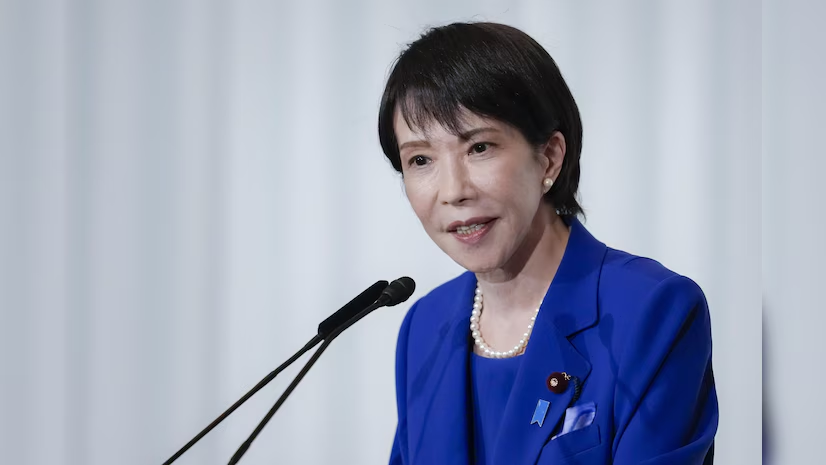

Prime Minister Sanae Takaichi avoided a visit to the controversial Yasukuni Shrine as Japan marked the 81st anniversary of its surrender in World War II, apparently seeking to avoid further diplomatic friction with China and South Korea.
TOKYO : Japanese Prime Minister Sanae Takaichi did not visit Tokyo’s controversial Yasukuni Shrine on Saturday, as Japan marked the 81st anniversary of its surrender in World War II.
The decision is being viewed as an effort to give priority to Japan’s diplomatic relations with China and South Korea, both of which strongly criticize official visits to Yasukuni.
Takaichi Avoids Yasukuni Visit
Yasukuni Shrine commemorates more than 2.4 million people who died in Japan’s wars, but it remains highly controversial because it also enshrines 14 Japanese wartime leaders convicted as Class-A war criminals following World War II.
China and South Korea regard visits by senior Japanese officials to the shrine as a sign that Japan has failed to adequately acknowledge or show remorse for its wartime actions in Asia.
PM Remembers War Victims
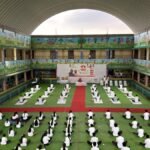
Instead of visiting Yasukuni, Takaichi attended the government’s national memorial ceremony at Budokan Hall, located within walking distance of the shrine.
In her address, she mourned those who died in the devastating attacks on Hiroshima and Nagasaki, those who perished in Okinawa and Japanese soldiers and civilians who died on overseas battlefronts.
She described their sacrifices as the “foundation of Japan’s peace and prosperity today.”
Takaichi said:
“Japan, since the end of the war, has consistently contributed to global peace and prosperity. We will never let the tragedy of the war be repeated.”
No Direct Reference to Japan’s Wartime Actions
While remembering the victims of the war, Takaichi did not directly refer to Japan’s wartime aggression in Asia or express remorse for it in her speech.
She instead emphasized Japan’s postwar contribution to international peace and prosperity.
Takaichi also said Japan could play an important role in addressing global challenges as “a dependable nation” in the region.
Diplomatic Balancing Act
Takaichi’s decision to stay away from Yasukuni reflects the delicate balance Japan faces between domestic political considerations and relations with its Asian neighbours.
A visit by a sitting Japanese prime minister to the shrine has the potential to trigger strong reactions from Beijing and Seoul. By avoiding the visit while attending the official national memorial ceremony, Takaichi has sought to commemorate the war dead without creating an additional diplomatic flashpoint.
The decision also comes amid Japan’s broader efforts to maintain stable relations with its regional neighbours while strengthening its role in regional security and international affairs.