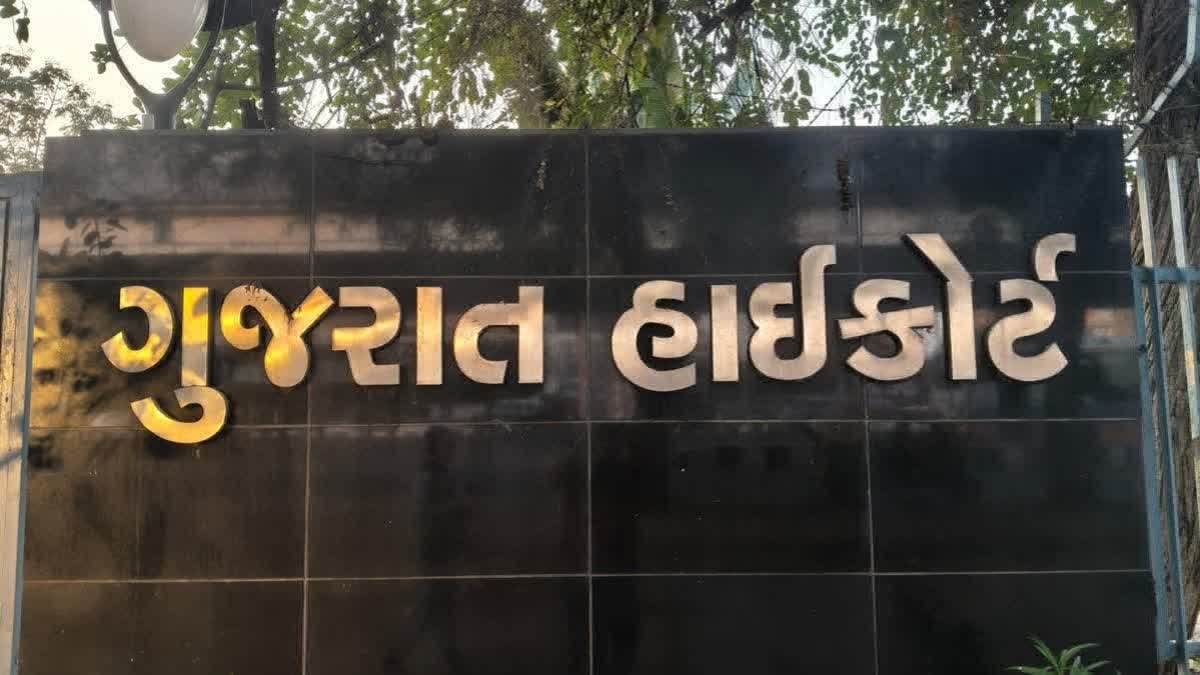

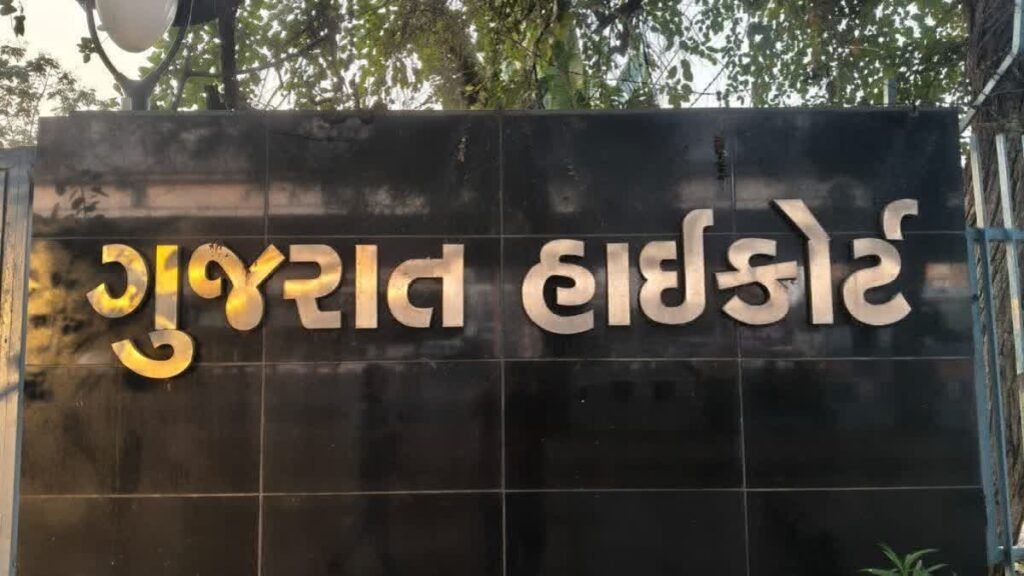
Ahmedabad, India — In a landmark judgment, the Gujarat High Court has upheld the death penalty for 38 convicts and life imprisonment for 11 others in connection with the 2008 Ahmedabad serial bomb blasts, affirming the verdict delivered by a special trial court in February 2022.
The High Court was hearing appeals filed by the convicted individuals against the special court’s judgment, while also considering the State government’s death reference, a mandatory legal procedure requiring High Court confirmation before capital punishment can be carried out.
Background of the 2008 Ahmedabad Blasts
On the evening of July 26, 2008, 21 coordinated bomb explosions ripped through Ahmedabad, Gujarat, within approximately 45 minutes, making it one of India’s deadliest terror attacks.
The explosions targeted several crowded public locations, including Maninagar, Isanpur, Naroda, Bapunagar, Sarkhej, and Hatkeshwar. Bombs were planted in public buses, marketplaces, and other busy areas, causing widespread devastation.
One of the most shocking aspects of the attack was the deliberate targeting of Ahmedabad Civil Hospital and L.G. Hospital. As victims from the initial explosions were being rushed to hospitals for emergency treatment, additional bombs detonated at the medical facilities, increasing the number of casualties.
The attacks claimed the lives of 56 people and left more than 200 others injured.
Threat Email and Surat Bomb Discovery
Shortly before the blasts, several media organizations received a threatening email claiming responsibility for the attacks. Investigators later identified the email as a key piece of evidence during the investigation.
The following day, security agencies discovered more than 20 live bombs planted across Surat, Gujarat. Bomb disposal squads successfully defused the explosives, preventing another potential mass-casualty incident.
Investigators later established links between the Ahmedabad explosions and the Surat bomb recovery, strengthening the case against the accused.
Extensive Investigation
The investigation was jointly conducted by the Ahmedabad Crime Branch, Gujarat Anti-Terrorism Squad (ATS), and several other law enforcement agencies.
Authorities said the conspiracy was uncovered through extensive analysis of bicycles, vehicles, mobile phones, SIM cards, emails, forensic evidence, and witness testimonies.
A total of 77 individuals were charged in the case.
Special Court Verdict
After a lengthy trial spanning several years, the Special Court in Ahmedabad delivered its verdict on February 8, 2022, convicting 49 accused, while 28 others were acquitted due to insufficient evidence.
On February 18, 2022, the court sentenced:
- 38 convicts to the death penalty.
- 11 convicts to life imprisonment.
The Special Court categorized the case as falling under the “Rarest of Rare” doctrine, stating that the gravity and scale of the terrorist attack justified the maximum punishment under Indian law.
The court also directed the government to provide compensation to the families of those killed and to the injured victims.
Appeals Before the Gujarat High Court
Following the trial court’s verdict, all convicted individuals filed appeals before the Gujarat High Court, challenging the convictions, investigation process, admissibility of evidence, and confessional statements.
At the same time, the State Government submitted a death reference, seeking judicial confirmation of the capital punishment, as required under Indian law.
After hearing detailed arguments from both the defense and the prosecution over several months, the Division Bench of the Gujarat High Court upheld the Special Court’s judgment.
Significance of the Judgment
The High Court’s decision reinforces one of the most significant terrorism-related convictions in India. By affirming both the death sentences and life imprisonment terms, the court concluded that the evidence presented during the trial was sufficient to sustain the convictions and that the case met the legal threshold for the “Rarest of Rare” category.
The ruling marks another major milestone in the long-running legal proceedings stemming from the 2008 Ahmedabad serial bomb blasts, nearly 18 years after one of the country’s most devastating terrorist attacks.