


Experts warn prolonged regional tensions could trigger layoffs, salary cuts, and remittance slowdown in GCC economies
Thiruvananthapuram / New Delhi | April 21, 2026
Escalating tensions in West Asia are beginning to cast a long economic shadow over the Gulf region, with experts warning that a prolonged conflict could lead to mass layoffs, salary reductions, and a sharp decline in remittances sent to India.
The growing crisis involving Israel, Iran, and the United States has raised concerns across the Gulf Cooperation Council (GCC) nations, where millions of Indian expatriates work, particularly from Kerala.
According to recent economic assessments, the conflict is disrupting oil exports, tourism, aviation, construction, and financial services—sectors that employ a large number of Indian workers.
Economic Growth Forecast Slashed
Oxford Economics has sharply revised its 2026 growth forecast for the six GCC countries—Saudi Arabia, the UAE, Qatar, Kuwait, Bahrain, and Oman.
What was once expected to be 4.4% growth has now been downgraded to a 0.2% contraction, reflecting the severity of the crisis and the risks posed by continued instability in the region.
The slowdown is being attributed to:
- disruption in oil production and exports
- rising shipping and insurance costs
- decline in tourism
- suspension of flights
- weakening domestic demand
- investor uncertainty
Economic experts say the impact could worsen if tensions continue through the second quarter of the year.
Oil Trade Disruptions Deepen Crisis
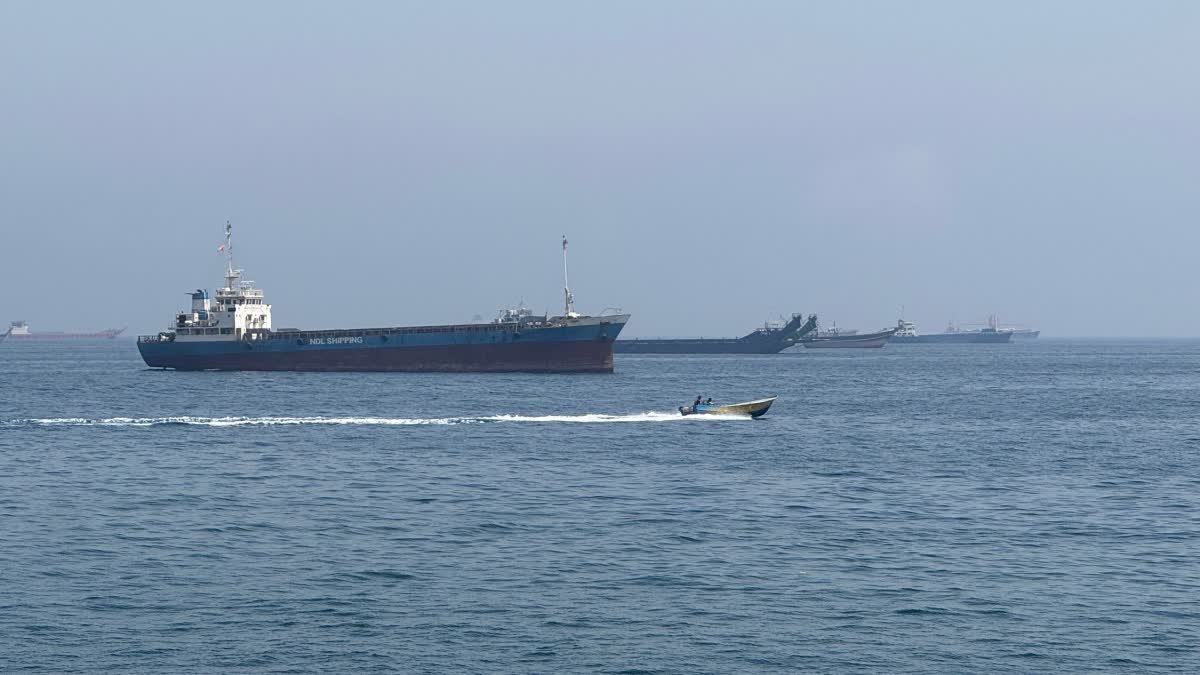
One of the biggest concerns is the disruption around the Strait of Hormuz, one of the world’s most critical oil transit routes.
A significant share of global crude oil and fertilizer shipments passes through this narrow waterway. Any blockade or military threat in the area immediately affects global markets.
With oil exports facing bottlenecks and storage facilities nearing full capacity in several Gulf states, companies are reportedly slowing production and delaying payments to contractors.
This has had a direct impact on sectors tied to energy revenues, particularly infrastructure and real estate.
Layoff Fears Rising in Construction, Services, and Hospitality
Industry analysts warn that sectors such as construction, hospitality, aviation, retail, and logistics are among the most vulnerable.
Recruitment agencies have already reported a slowdown in new hiring from India to the Gulf, with more than 300,000 overseas job placements potentially delayed if the crisis continues.
Employees in:
- hotels
- malls
- airlines
- cargo operations
- construction firms
are facing increasing uncertainty.
Reports of salary cuts, unpaid wages, forced leave, and possible layoffs have already begun to surface from several Gulf markets.
Aviation and hospitality sectors have been particularly affected as nearly 60% of flight services remain disrupted, severely impacting travel and tourism flows.
Kerala Faces Serious Economic Risk
Kerala is expected to be one of the worst-affected Indian states due to its heavy reliance on Gulf remittances.
The state receives a substantial share of money sent home by expatriate workers, and experts say any disruption in salaries or employment in the GCC could have immediate consequences for household incomes and local businesses.
Recent estimates suggest that remittances account for nearly 16–17% of Kerala’s economy, making the state highly vulnerable to Gulf instability.
A decline in remittance inflows could affect:
- real estate
- education
- healthcare
- retail markets
- small businesses
- banking liquidity
Financial analysts note that even a 4–5% decline in remittances has already been observed in recent weeks.
Indian Economy Also Under Pressure
The impact is not limited to Kerala alone.
According to CRISIL and RBI-linked assessments, nearly one-third of India’s total remittance inflows come from Gulf countries, meaning any prolonged downturn in the region could also widen India’s current account deficit.
India also faces indirect pressure through:
- higher crude oil import costs
- fertilizer shortages
- increased inflation risks
- export disruptions
One-third of global fertilizer trade also moves through the conflict zone, raising concerns for India’s agriculture sector.
Experts Urge Diplomatic and Economic Preparedness
Policy experts and diplomats have urged the Indian government to prepare contingency plans for Indian workers in the Gulf, especially those in vulnerable sectors.
This includes:
- worker protection measures
- evacuation readiness
- employment support for returnees
- state-level economic stabilization plans
Officials have stressed that India must protect both its workforce and long-term diplomatic relations with GCC countries.
Hope for Stabilization, But Risks Remain
While some economists believe the impact may be temporary if diplomatic efforts succeed soon, the risks remain significant.
The RBI has indicated that remittance flows may remain stable in the short term, but longer-term uncertainty depends heavily on how quickly peace returns to the region.
For now, families dependent on Gulf incomes are watching developments closely, as the West Asia conflict threatens to evolve from a geopolitical crisis into a major economic shock.