
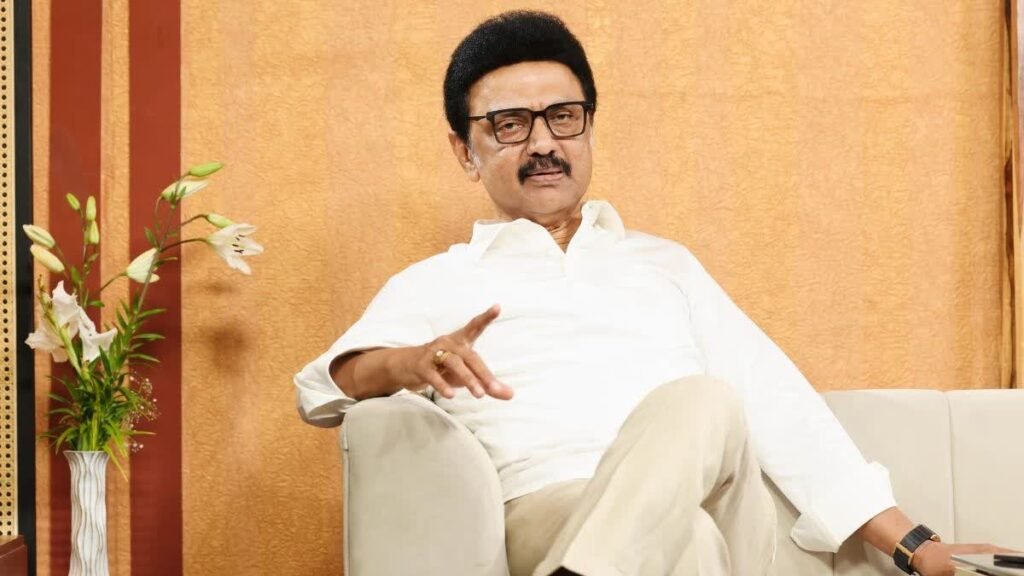
CHENNAI — In a high-stakes pre-election interview, Tamil Nadu Chief Minister M.K. Stalin has drawn a clear line in the sand, framing the upcoming 2026 Assembly elections as a definitive battle for regional identity against “centralized control.”
Confident in his administration’s performance, Stalin projected that the DMK-led alliance will secure over 200 seats, ensuring a political mandate that stretches into 2031.
The Ideological Clash: “Tamil Nadu vs. Delhi”
Stalin didn’t hold back in his critique of the Bharatiya Janata Party (BJP), dismissing claims of a “saffron wave” in the southern state. He argued that the BJP lacks the grassroots infrastructure to challenge the DMK and described the national party’s influence in Tamil Nadu as negligible.
“The BJP is not on a winning trajectory here. Their national successes often lean on alliances, but in Tamil Nadu, there is no room for their ideology,” Stalin asserted.
He framed the election as a contest of “Tamil Nadu versus Delhi,” accusing the central government of attempting to undermine state rights through:
- Withholding Funds: Allegations that New Delhi is stalling education and disaster relief grants.
- Policy Imposition: Continued legal and political resistance against NEET and the National Education Policy (NEP).
- Delimitation Concerns: Fears that future seat redistributions could diminish the political voice of southern states.
Economic Powerhouse: By the Numbers
A cornerstone of Stalin’s campaign is the state’s robust economic trajectory. Despite federal tensions, Stalin highlighted that Tamil Nadu is punching well above its weight in the national economy.MetricPrevious FigureCurrent FigureState GDP₹17.8 Lakh Crore₹31.2 Lakh CrorePer Capita Income₹2.10 Lakh₹3.62 LakhPoverty RateHigher1.43% (Near Eradication)Growth Rate—11.19% (Double-Digit)Stalin credited this growth to a surge in electronics exports and investor-friendly policies that prioritize local employment.
“Dravidian Model 2.0” and Welfare Politics
The Chief Minister defended his “Dravidian Model” of governance, which blends aggressive industrial growth with deep-reaching social safety nets. Key pillars of this model include:
- Direct Financial Aid: Monthly assistance for women.
- Accessibility: Free bus travel for women and breakfast programs for school students.
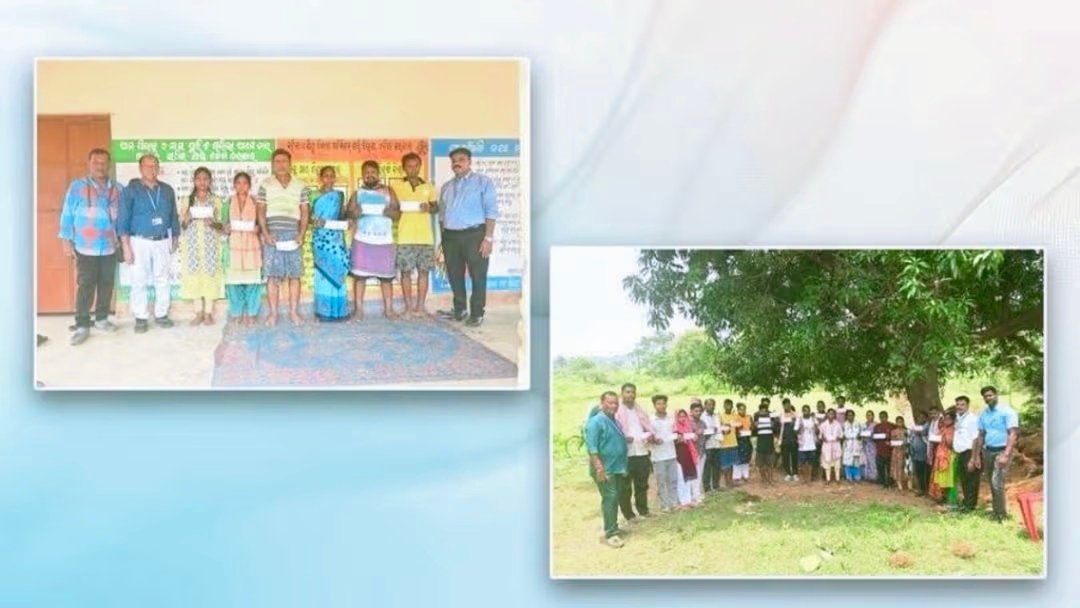
- Healthcare: Proactive outreach initiatives reaching the state’s most vulnerable populations.
Stalin claimed these schemes have transcended party lines, winning over former critics and solidifying a base that he believes will carry the party to a landslide victory.The Road to 2026
As the campaign enters its final, feverish phase, the narrative is set. While Prime Minister Narendra Modi has accused the opposition of stalling progress (including the Women’s Reservation Bill), Stalin has countered by questioning why the center has delayed the bill’s implementation.
The Bottom Line: For Stalin, 2026 isn’t just an election; it’s a referendum on regional autonomy. By doubling down on welfare and economic performance, he is betting that “Dravidian Model 2.0” will be the ultimate shield against the BJP’s southern expansion.