


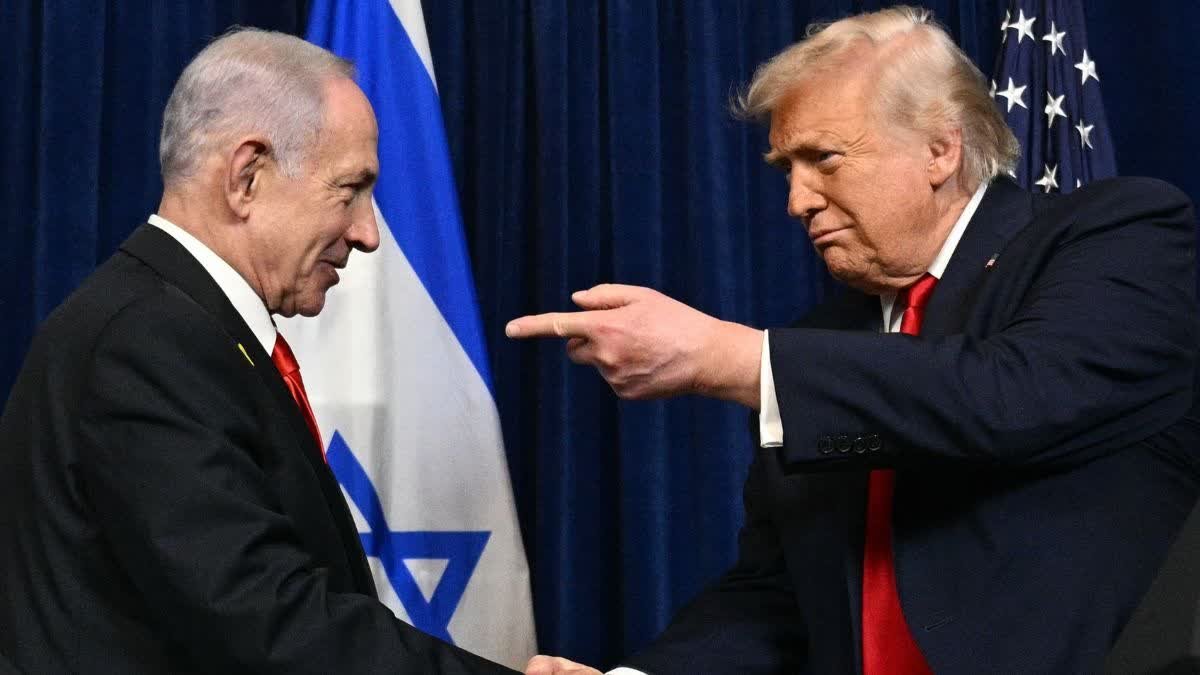

Tel Aviv / Washington — In a significant development amid intensifying conflict in the Middle East, former U.S. President Donald Trump has urged Israeli Prime Minister Benjamin Netanyahu to avoid targeting a critical Iranian natural gas facility, a move seen as an effort to prevent further disruption to already volatile global energy markets.
Israel Holds Back on Strategic Energy Target
Responding to growing international concern, Israel has reportedly agreed not to carry out additional strikes on Iran’s vital South Pars gas field—one of the world’s largest natural gas reserves. The decision comes after a series of retaliatory attacks between Israel and Iran that have already shaken global oil and gas supplies.
Netanyahu confirmed in a televised address late Thursday that Israel would refrain from further attacks on offshore gas infrastructure following discussions with Trump. The move is being interpreted as a strategic attempt to prevent escalation into a broader regional energy crisis.
Escalating Conflict Across the Region
The conflict continues to intensify on multiple fronts. Iranian missile strikes targeted northern Israel on Friday, triggering sirens from Haifa to the Galilee region and forcing millions into shelters. The Israeli military reported more than a dozen missile launches in a single day earlier this week.
In response, Israel launched airstrikes on Tehran early Friday, coinciding with Iran’s Nowruz (Persian New Year) celebrations. The strikes mark one of the most direct escalations in the ongoing war.
Strait of Hormuz Raises Global Alarm
The crisis has heightened fears over the security of the Strait of Hormuz, a crucial النفط chokepoint through which roughly 20% of the world’s oil supply passes. Any disruption here could have severe consequences for global fuel availability and prices.
Energy Markets in Turmoil
Global energy markets are already reacting sharply. Brent Crude briefly surged above $119 per barrel, marking a more than 60% increase since the conflict began. European natural gas prices have nearly doubled over the past month due to supply fears and infrastructure damage.
Iranian missile strikes have reportedly damaged key energy facilities across the region:
- Qatar’s Ras Laffan LNG terminal suffered significant damage, cutting exports by an estimated 17%.
- Saudi Arabia confirmed an attack on its SAMREF refinery in Yanbu.
- Additional strikes targeted oil refineries in Kuwait and gas operations in Abu Dhabi.
Leadership Crisis Inside Iran
The situation inside Iran remains volatile. Reports suggest that Supreme Leader Ali Khamenei was killed in early airstrikes, leading to a sudden leadership transition. Command is now believed to be in the hands of his son, who is reportedly overseeing continued missile and drone operations. These claims, however, remain unverified.
UN Security Council Holds Emergency Talks
The United Nations Security Council convened a closed-door emergency meeting on Thursday. Gulf nations urged Iran to halt attacks on regional energy infrastructure, warning of catastrophic economic consequences. However, Iran has shown no indication of de-escalation.
Global Economic Implications
With energy infrastructure under threat and supply chains disrupted, economists warn of a potential global economic shock. Rising oil and gas prices could fuel inflation worldwide, impact transportation and manufacturing, and slow economic growth.
Bottom Line:
Trump’s intervention appears to have helped prevent a further spike in energy tensions—for now. But with active missile exchanges, damaged infrastructure, and no signs of diplomatic resolution, the Israel-Iran conflict continues to pose a serious threat to global stability and energy security.